
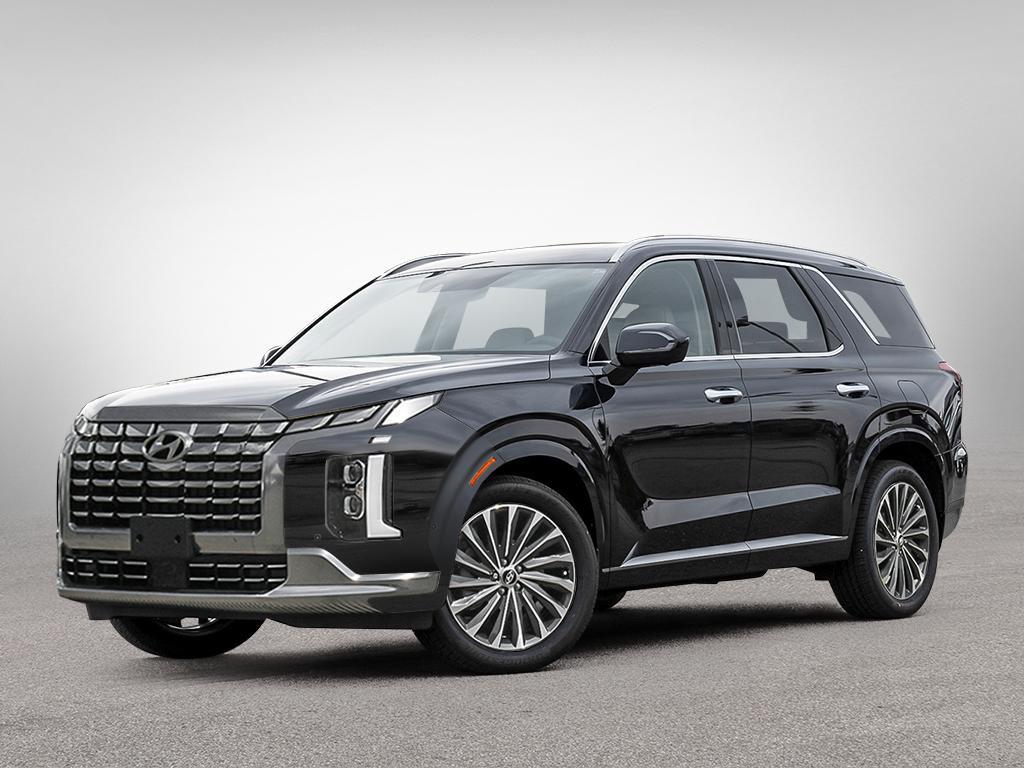
SUVs ask more from their tires than most vehicles. You sit higher, carry more weight, and often switch between smooth highways, rain-slick streets, gravel shortcuts, and the occasional snow day. The wrong set can make a capable SUV feel nervous in corners, loud on the freeway, or sketchy when braking in the wet.
The right set, on the other hand, tightens steering, shortens stopping distances, improves ride comfort, and can even save fuel. This guide breaks down the best tires for SUV drivers by real use case: everyday commuting, long-distance road trips, winter duty, and light off-road adventures. You will learn what to look for on the sidewall, which tread types match your climate, and how to compare top-rated models without getting lost in marketing.
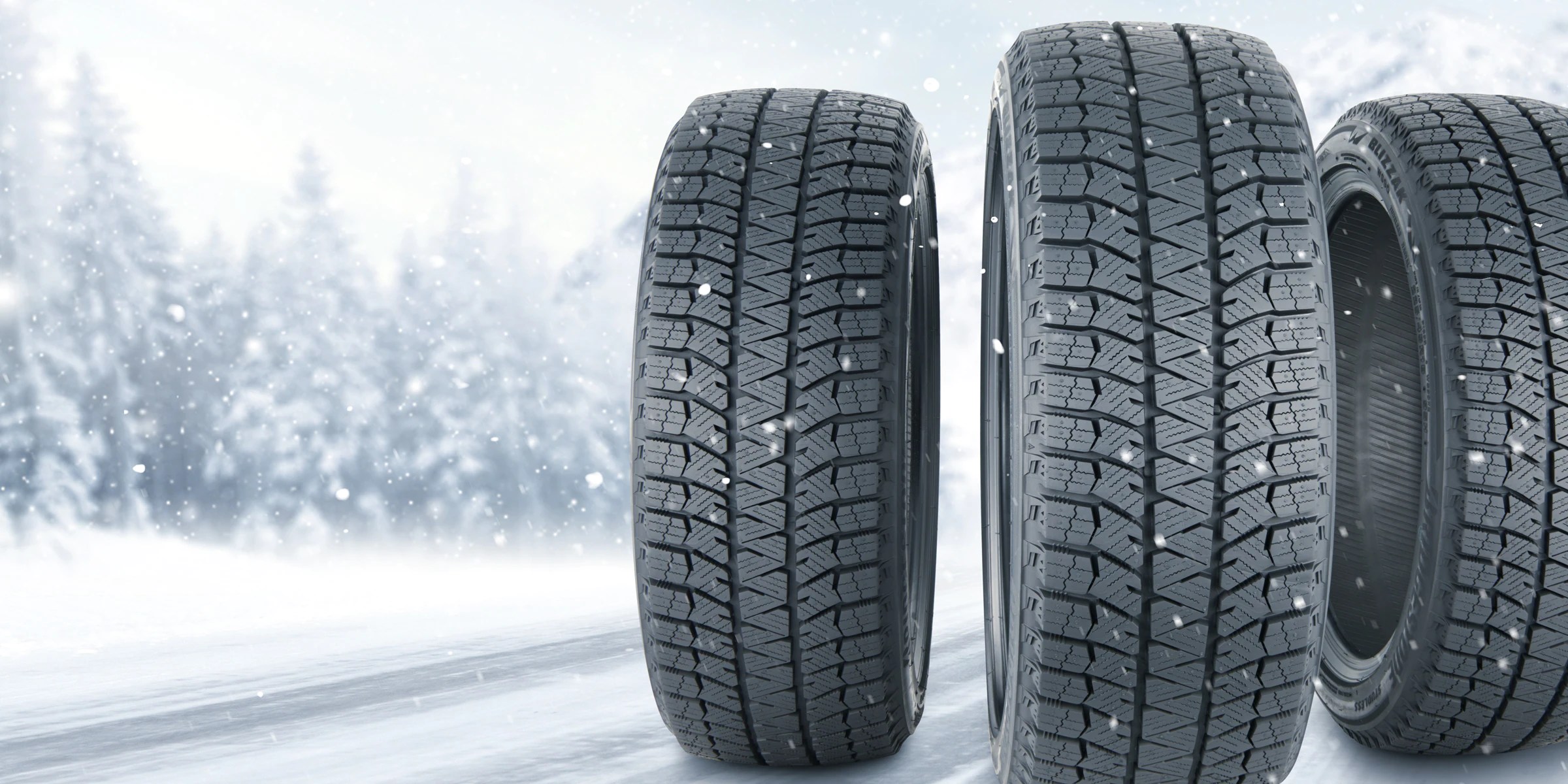
Table of Contents
How to choose the best SUV tires
Before picking a brand, pick a category. Most disappointments happen when drivers buy an aggressive-looking all-terrain tire for mostly city miles, or choose a comfort-focused highway tire then expect it to claw through mud. Start with these four factors.
- Weather reality: If you see regular snow and freezing temps, prioritize a winter tire or an all-weather tire with the 3PMSF mountain-snowflake rating. “All-season” is not a guarantee in true winter conditions.
- Road mix: Mostly pavement suggests highway all-season (H/T) for quiet and mileage. Regular dirt roads or rocky trails point to all-terrain (A/T) with reinforced sidewalls.
- Load and towing: Check your driver door placard for the correct load index and speed rating. If you tow, a higher load index and a stiffer construction can improve stability. The NHTSA tire information page is a solid reference for reading tire markings.
- Noise, comfort, efficiency: More aggressive tread usually means more hum and rolling resistance. If you commute long highway miles, that matters.
Quick tip: match tire “personality” to your SUV’s. A sporty crossover benefits from responsive touring tires, while a body-on-frame SUV used for camping may justify tougher A/T rubber.
Best all-season highway tires for SUVs (daily driving and road trips)
If your SUV lives on pavement, a premium highway all-season tire is often the best value. These models focus on wet traction, predictable braking, low noise, and long tread life. They are also typically lighter than A/T tires, which helps fuel economy and acceleration.
Top picks worth cross-shopping:
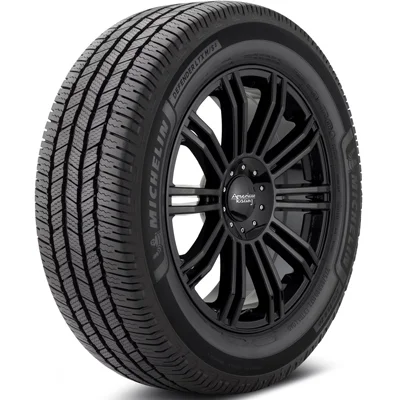
Michelin Defender LTX M/S is a benchmark for long tread life and stable handling on heavier vehicles. It is popular on mid-size and full-size SUVs because it stays composed under load and remains quiet as it wears.
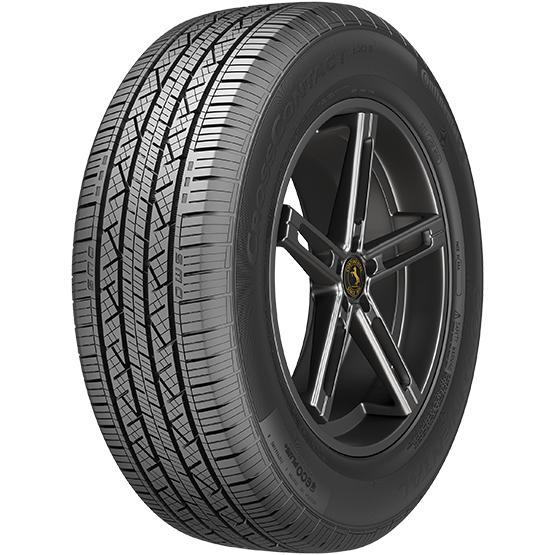
Continental CrossContact LX25 is a strong choice for crossovers and family SUVs that want a calm ride and confident wet braking. It tends to feel refined at highway speeds and is often praised for low cabin noise.
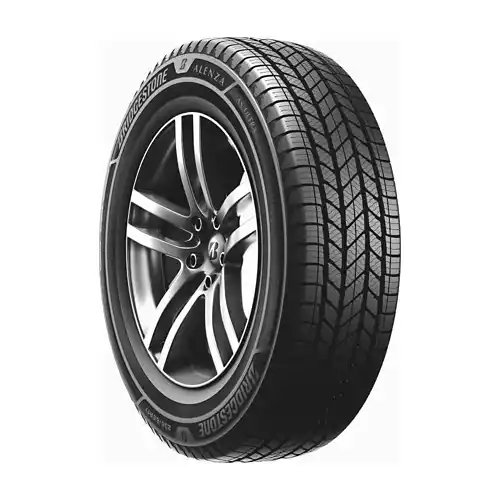
Bridgestone Alenza AS Ultra targets comfort and wet grip, with a premium feel that fits many modern crossovers. If you spend hours on the interstate, that “less tiring” ride quality is not a small thing.
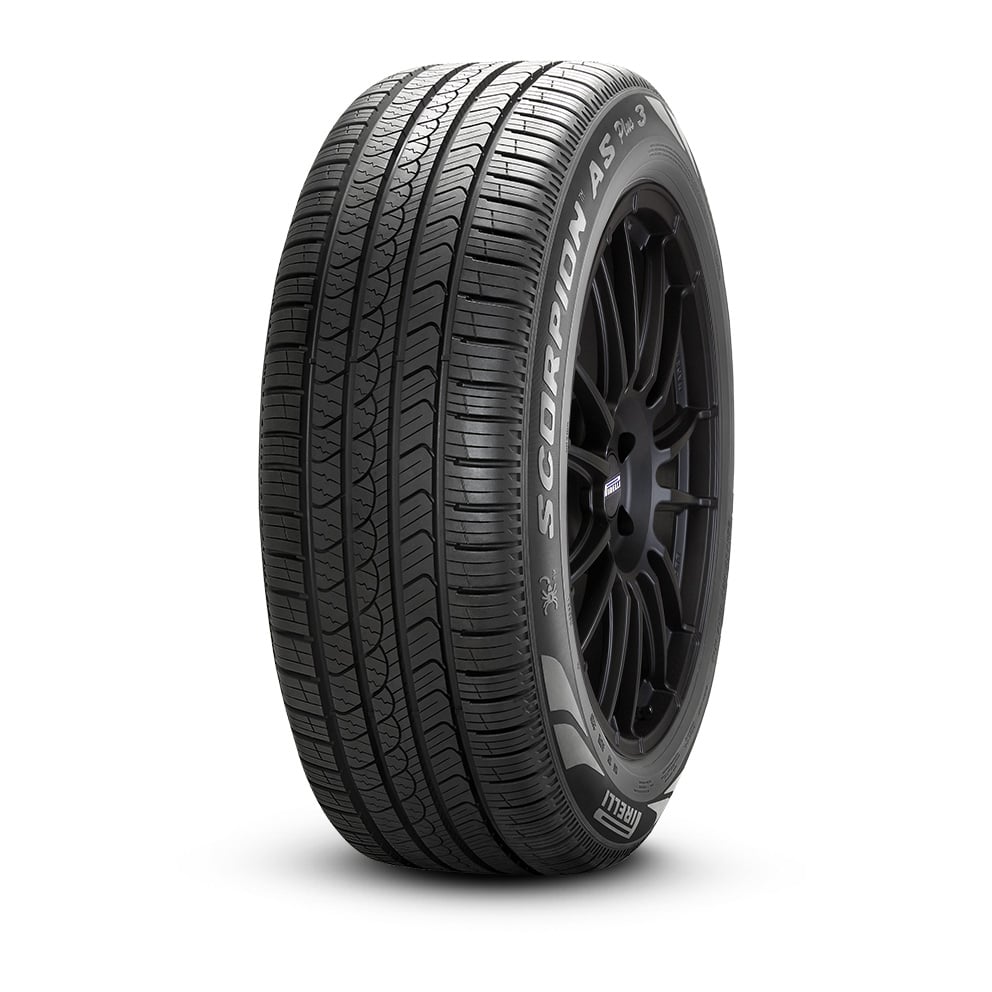
Pirelli Scorpion AS Plus 3 is another touring-style option that balances quietness with sure-footed wet traction. It is a good match if you want a smooth ride but still care about steering precision.

How to decide among them: Compare your most common pain point. Want maximum longevity? Lean toward Defender LTX. Want a softer, quieter touring feel? CrossContact or Alenza. Want crisp road manners? Look at Scorpion. For objective comparisons, check the user and test data at Tire Rack tire tests and scan for wet braking and noise notes in your size.
Best all-weather and winter tires for SUVs (real cold, real traction)
Cold weather changes everything. Rubber compounds stiffen, and an “all-season” tread can start sliding sooner than you expect. If your winters are mild with occasional snow, an all-weather tire (3PMSF-rated) can be a smart one-set solution. If you face regular ice, deep snow, or mountain travel, dedicated winter tires still win.
All-weather standouts (one set, four seasons):
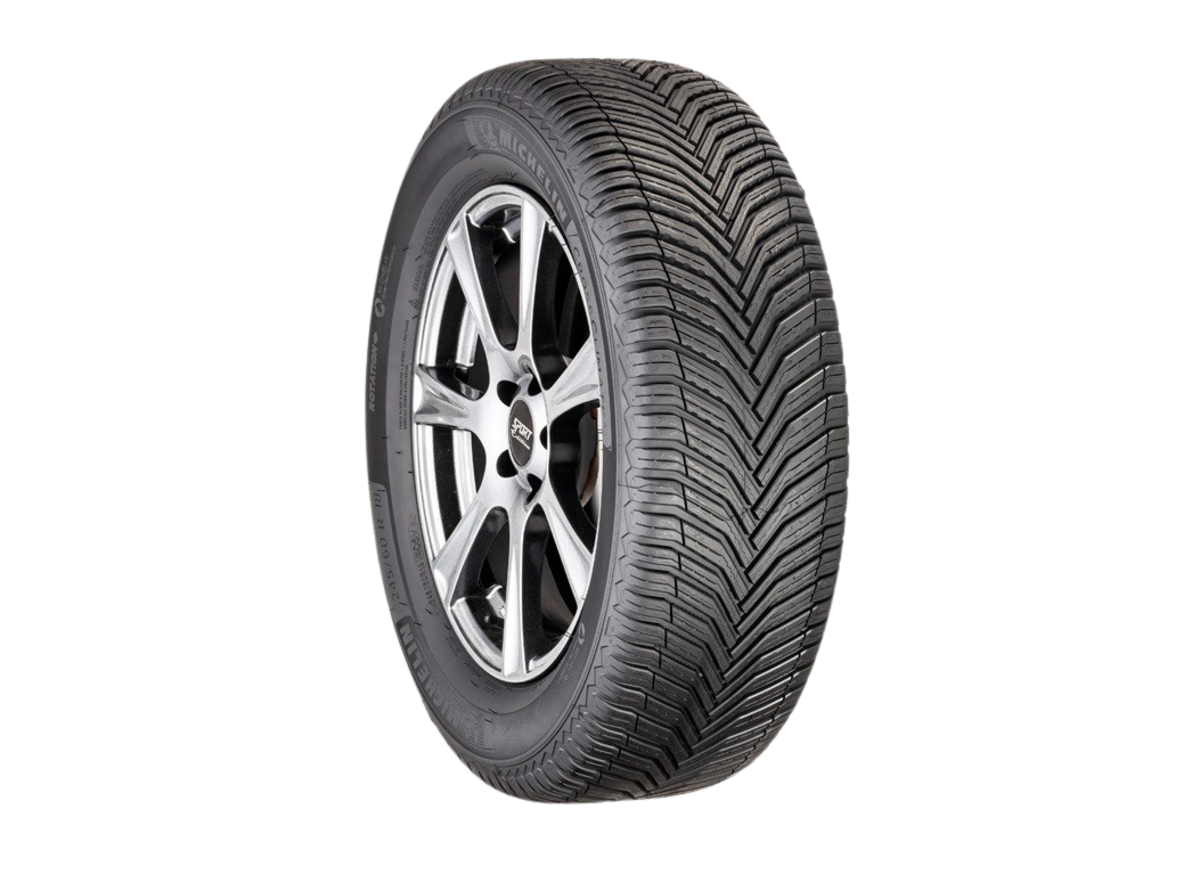
Michelin CrossClimate2 is widely regarded as one of the best all-weather tires for wet braking and light-to-moderate snow traction while keeping sharp road manners. Its directional tread helps in slush, and it stays composed at highway speed.
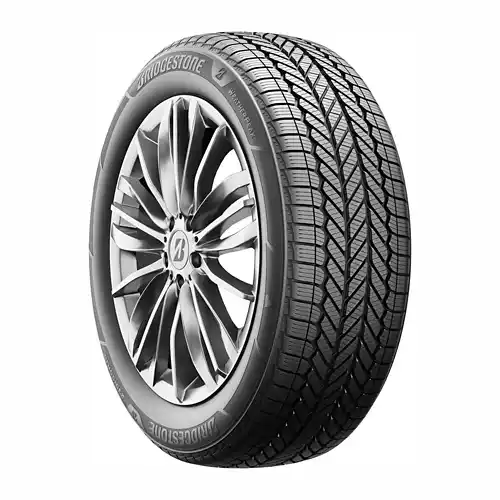
Bridgestone WeatherPeak is another 3PMSF option aimed at drivers who want winter capability without giving up a comfortable daily ride. It is a practical pick for mixed climates.
Dedicated winter favorites (maximum snow and ice):
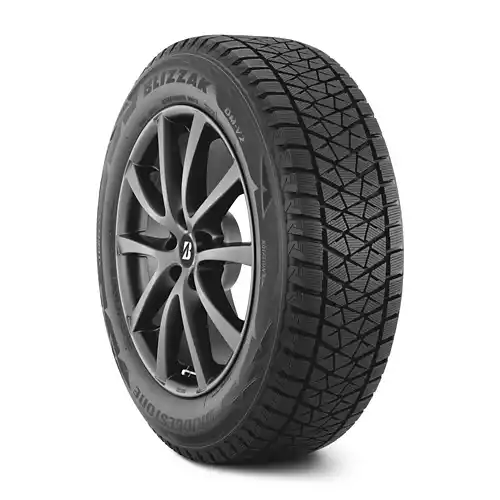
Bridgestone Blizzak DM-V2 is a proven SUV winter tire with strong snow bite and predictable braking. It is not the quietest, but it is the kind of tire that can turn a stressful snowy commute into a routine drive.
Michelin X-Ice Snow SUV focuses on ice traction and long-lasting winter performance. If your area gets frequent freeze-thaw cycles that create polished intersections, this type of tire pays off.
Practical advice: If you run dedicated winters, mount them on a second set of wheels. Seasonal changeovers become faster, and you reduce bead wear. Also confirm your tire pressures often, because cold temps drop PSI, and underinflation hurts braking and tire life. For winter driving fundamentals and traction limitations, the guidance from AAA winter driving tips is a good refresher.
Best all-terrain tires for SUVs (gravel, dirt, and light off-road)
All-terrain tires are for drivers who regularly leave the pavement: forest roads, sandy campsites, rutted trails, and construction zones. A/T tires use chunkier tread blocks and stronger sidewalls, trading some quietness and efficiency for durability and grip on loose surfaces.
Highly regarded A/T options:
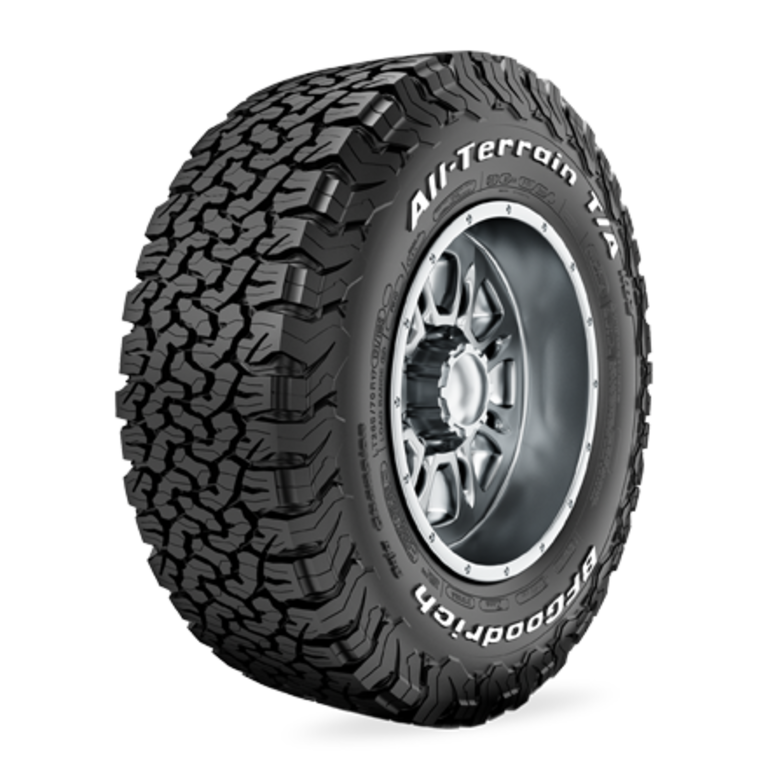
BFGoodrich All-Terrain T/A KO2 is a classic for a reason. It is tough, puncture-resistant, and confidence-inspiring off-road. It can be louder than highway tires, but if you actually use the capability, it is one of the most trusted picks.
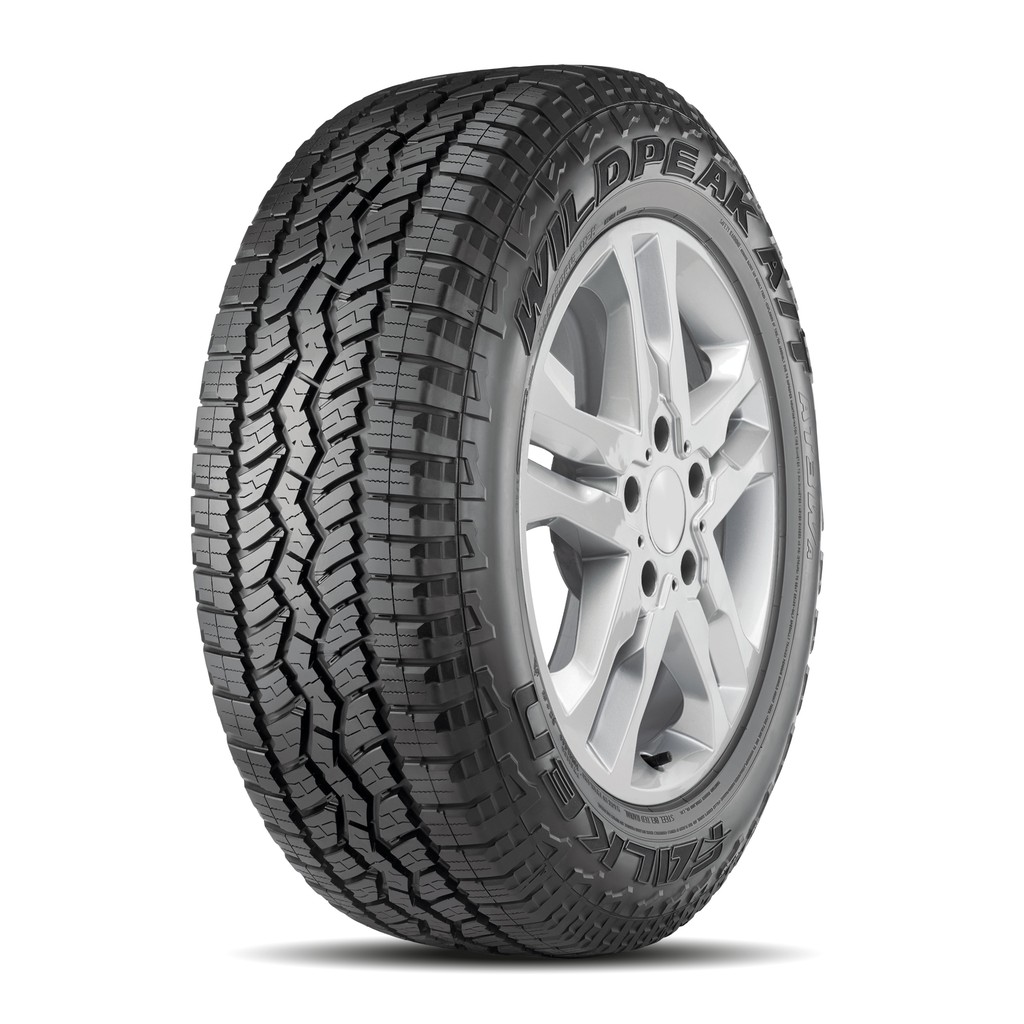
Falken Wildpeak A/T3W is known for strong wet traction and snow performance for an A/T tire, plus a planted feel on the highway. It is a favorite among SUV and truck owners who want “one tire that does most things well.”
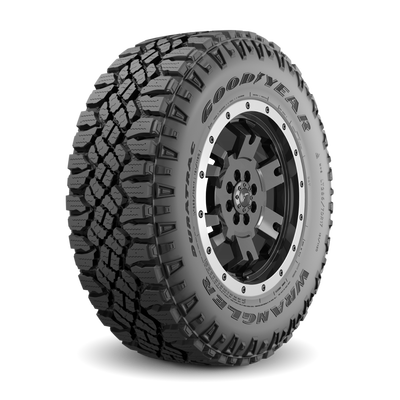
Goodyear Wrangler All-Terrain Adventure with Kevlar leans slightly more toward road comfort while still adding sidewall strength. For mixed use, it can be a nice middle ground.
Toyo Open Country A/T III offers a balanced blend of on-road stability and off-road toughness, with sizes that fit everything from compact SUVs to larger rigs.
Buying tip: Do not oversize just for looks. Heavier, taller tires can reduce braking performance and strain the drivetrain, especially on smaller crossovers. If you want more ground clearance, verify fitment, load rating, and speedometer impact first. Many owners also benefit from sticking to a “mild A/T” pattern unless they truly need deep lugs.
Fitment, ratings, and maintenance that make tires feel “best” longer
Even the best tires for SUV use can feel mediocre if they are the wrong spec or poorly maintained. A quick checklist keeps performance consistent.
- Confirm the exact size and service description: Match the placard and owner’s manual unless you have a specific, verified reason to change.
- Choose the right load type: Some SUVs take XL (extra load) in certain sizes. If you tow or carry heavy cargo, do not down-spec load capacity.
- Rotate on schedule: Every 5,000 to 7,500 miles is a common interval, but follow the tire maker and vehicle guidance. Rotations prevent cupping and help tires wear evenly, especially on AWD.
- Align when you buy: A fresh alignment protects your investment. Uneven wear can ruin an expensive set early.
- Watch tread depth: Replace earlier than “legal minimum” if you drive in heavy rain or snow. For wet safety, many experts recommend replacing around 4/32″ and for winter traction around 6/32″.
For a deeper, reliable overview of tire basics and why tread and pressure matter, Consumer Reports tire guidance is useful, especially for understanding tradeoffs between grip, noise, and longevity.
Conclusion
The best tires for your SUV are the ones that match your climate, your real road mix, and your load needs, not the ones with the boldest sidewall. Pick the right category first, shortlist two or three proven models, and then buy in the correct size and rating. When you are ready, compare pricing in your exact fitment and schedule an alignment so your new tires deliver their best from day one.

weapons and military expert


