

Road noise is the one “feature” nobody asked for. You buy a comfortable car, add a decent sound system, and still end up raising your voice on the highway because your tires are drumming a steady chorus through the cabin. That hum is not just annoying; it’s fatiguing. Over long commutes it makes conversations harder, masks subtle mechanical sounds you should notice, and turns a calm drive into something that feels oddly tense. The good news is that quiet tires are not mythical unicorns. The best quietest tires are the result of very real engineering: tread patterns tuned to break up noise frequencies, rubber compounds that absorb vibration, and construction choices that keep the tire from “singing” on certain surfaces. In this guide, you’ll learn what actually causes tire noise, how to shop smart, and which tire categories and models tend to deliver the hush you’re after.
Table of Contents
What makes a tire quiet (and why yours might be loud)
Tire noise comes from a mix of air pumping, tread block impact, and vibration transferring through the suspension into the cabin. When your tread blocks hit the pavement, they create small pressure waves. If the blocks are evenly spaced, those waves can stack into a noticeable tone, like a musical note you cannot turn off. Quiet tires fight that in several ways: they vary the pitch sequence of tread blocks, add noise absorbing foam in some designs, and use compounds that dampen resonance rather than amplify it.
Before you blame the tire brand, check the basics. A great tire can sound awful when it’s abused or mismatched to your driving environment.
- Inflation pressure: Overinflation often increases harshness and can make tread noise more prominent. Use your vehicle door-jamb placard, not the max pressure on the sidewall. For general guidance, reference NHTSA tire safety basics.
- Alignment and wear: Cupping or feathering makes even a “quiet” tread loud. If your current tires have uneven wear, fix alignment before judging noise.
- Tire category: Aggressive all-terrain treads and many performance summer tires trade quiet for grip. Touring all-season tires are typically the calmest.
- Road surface: Concrete expansion joints and coarse asphalt are louder than smooth blacktop. Your “quiet tire” still has to live in your local reality.
Also note that quiet does not mean soft or vague. Some of the best quietest tires keep steering crisp, but they achieve it with a carefully supported tread and controlled deformation rather than ultra-stiff blocks.
How to choose the best quietest tires for your vehicle
Shopping for low-noise tires is easier when you combine lab-style indicators with real-world testing. Start with the type of vehicle and how you drive. A compact sedan wants a different “quiet recipe” than a three-row SUV or an EV with instant torque. Then apply a few filters that consistently point to quieter results.
1) Prioritize touring and grand touring tires.
In most independent comparisons, touring all-season tires land near the top for subjective comfort and noise. Their tread designs emphasize smaller, variable-pitch blocks, and their casings are tuned for damping. Ultra-high-performance all-seasons can be quiet too, but they often lean firmer and may generate more roar on rough surfaces.
2) Look for noise-focused tech, but don’t treat it as magic.
Some manufacturers use in-tire foam (often marketed as acoustic foam) to reduce cavity resonance. It can help, especially at specific speeds, but it’s not the only path to quiet. A well-designed tread and compound can be just as effective. If you drive an EV, foam-equipped variants can be worth seeking out because the absence of engine noise makes tire sound more obvious.
3) Use standardized labeling where available.
If you are shopping in markets that show external rolling noise ratings, those labels can be a useful first pass. In the U.S., labeling isn’t as unified, so lean on consistent test outlets and manufacturer data. For deeper background on tire construction and terminology, Tire Rack’s Tire Tech is a solid reference library.
4) Match the tire to your climate.
A tire that stays quiet in warm, wet conditions may harden and get noisier in cold weather. If you live where temps regularly drop below 45°F, consider a dedicated winter tire for the season. Many modern winter tires are impressively civilized, but the quietest year-round option in snow country is often a two-set strategy.
5) Don’t overlook size and load rating.
Wider tires usually generate more noise, all else equal. Higher load ratings can add stiffness that may transmit more vibration. Stick close to your OEM size unless you have a clear reason to change.
Practical tip: when comparing candidates, search for the exact size and read multiple reviews that mention the same road types you drive daily. “Quiet on smooth asphalt” and “quiet on grooved concrete” are different claims.

Top picks: quiet tires that consistently test well
No single list is perfect because noise perception depends on vehicle insulation, suspension tuning, and local pavement. Still, certain models repeatedly show up in instrumented tests and long-term owner feedback as standouts for low noise and comfort. The picks below focus on mainstream passenger cars, crossovers, and SUVs, with an emphasis on touring categories where quietness is a design goal.
Michelin Primacy Tour A/S
A classic choice for drivers who want a refined, near-luxury ride. It’s typically praised for low tread growl and a controlled, smooth feel at speed. Expect strong wet traction and stable highway manners.

It can cost more up front, but it often repays that with long wear and consistent comfort over time. For a broader view of how different tires score in comparative tests, browse Consumer Reports tire ratings if you have access.
Continental TrueContact Tour
This tire regularly earns points for balanced comfort and low noise, especially as it accumulates miles. It’s a smart pick if you want a quiet commuter tire but still care about confident wet braking.

Continental’s touring lineup tends to tune tread pitch and casing compliance very carefully, which is exactly what you want when “hush” is the priority.
Bridgestone Turanza QuietTrack
The name is not subtle, and in many real-world reports it delivers: reduced cabin noise on highway drives and a plush, composed ride.
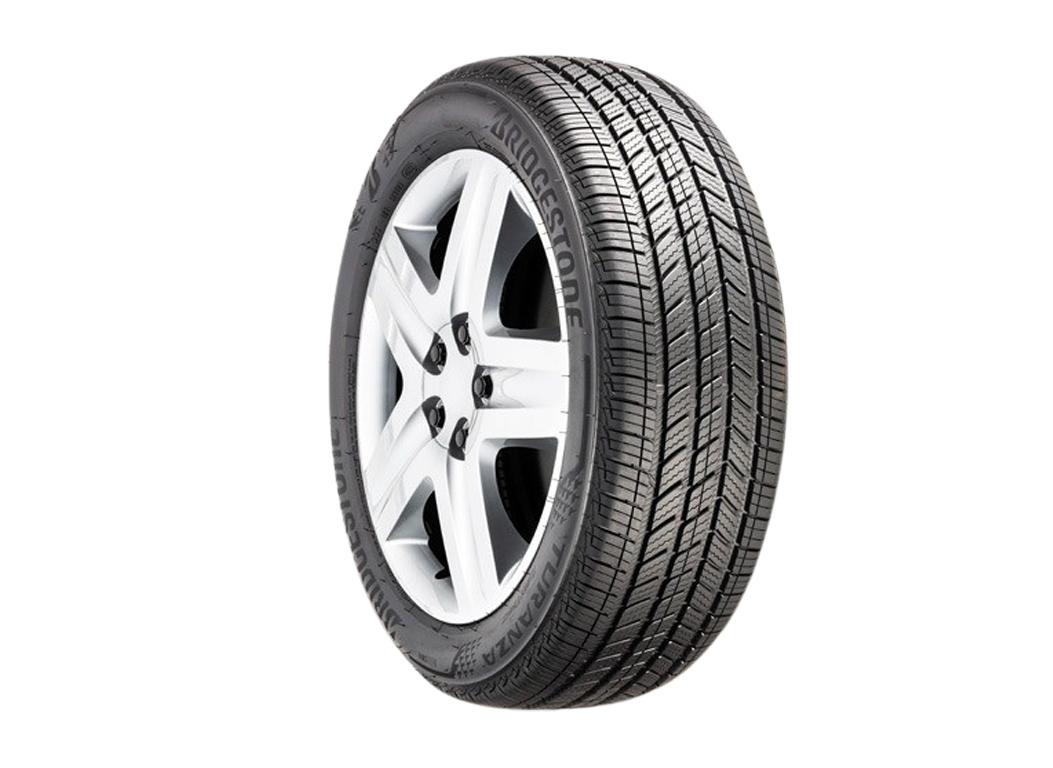
It’s often recommended for sedans and crossovers where comfort matters more than sporty steering response. If your main complaint is that constant hum on long trips, this is one of the first models to shortlist.
Pirelli P7 All Season Plus 3
A popular touring all-season with an emphasis on smoothness. On many vehicles it comes across as “quiet without feeling numb,” which is a nice trick. It’s especially appealing if you like a slightly more connected steering feel than the softest touring tires, but still want to cut road noise dramatically.
Goodyear Assurance ComfortDrive
Goodyear positions this one directly at comfort, and many drivers notice reduced harshness over sharp edges and coarse pavement. It’s a strong fit for crossovers and family sedans that spend lots of time on mixed road quality. If your area has rough asphalt, prioritize reviews that mention that surface, because that’s where comfort-focused casings can shine.
For SUVs and light trucks: look at quiet highway-terrain options
If you drive a body-on-frame SUV or pickup, resist the temptation to buy an all-terrain unless you truly need it. Highway-terrain and touring SUV tires are usually far quieter. As a starting point, check options like Michelin Defender LTX M/S (known for refined road manners in its category) or similar “LTX/HL” style touring SUV lines from major brands. The key is a closed-shoulder, less aggressive tread that avoids the slap and air pumping typical of off-road patterns.
EV note: EVs reveal tire noise more than gas cars. If your model offers OE-style “acoustic” versions in your size, it’s worth comparing them. Just confirm availability and whether the foam-equipped variant affects repair practices in your area.

How to keep tires quiet after you buy them
Even the best quietest tires can get loud if you let them. A few habits preserve the calm and often extend tread life at the same time.
- Rotate on schedule: Follow your vehicle or tire maker interval, commonly every 5,000 to 8,000 miles. Irregular wear is a major source of new noise.
- Maintain alignment: If the steering wheel is off-center or the car drifts, fix it early. Feathered edges create a “whoosh” that only grows.
- Balance when needed: Vibration can masquerade as noise and also accelerates uneven wear.
- Keep pressures consistent: Check monthly, and check when seasons change. Temperature swings matter.
- Don’t ignore wheel bearing or suspension issues: A failing bearing can sound like tire roar. If noise changes when you gently weave left-right at steady speed, get it inspected.
Quick diagnostic tip: if the noise changes dramatically on different pavement but stays proportional to speed, it’s usually tires. If it drones at a specific speed regardless of surface, suspect resonance, bearings, or an alignment-related wear pattern.

Conclusion: Quiet tires are not a luxury, they’re a quality-of-life upgrade you feel every mile. Pick a touring-focused model with a proven track record, match it to your climate and vehicle, then protect your investment with rotations and alignment checks. If you want a calmer cabin on your next drive, shortlist two or three options above in your exact size, compare real test data and reviews, and schedule the install before your current set gets any louder.

weapons and military expert


