It’s easy to download a fitness app and still feel stuck. You open it with good intentions, then get hit with a workout that ignores your energy that week, your cycle, your schedule, or your actual goal (strength, fat loss, mobility, stress relief, all of the above). Many women also run into a second problem: the advice is either too generic (“just do HIIT”) or too intense to sustain, which quickly turns motivation into guilt.
The good news is that the best fitness apps for women now do much more than count steps. They coach, periodize training, personalize nutrition, and build consistency through smart prompts and community. In this guide, you’ll find standout options by goal and training style, plus a clear way to choose the right one so you can stop app-hopping and start progressing.
Table of Contents
What makes a fitness app great for women (and how to spot it fast)
Before naming apps, it helps to define what “best” actually means. The strongest apps aren’t “for women” because they’re pink and full of light weights. They’re great because they adapt to real life and support long-term strength, health, and confidence. Here’s what to look for when you’re comparing options:
- Progressive strength programming: Look for plans that build week to week (not random daily workouts). Evidence-based guidance on resistance training is widely supported by organizations like the American College of Sports Medicine (ACSM).
- Personalization that matters: Your training age, available equipment, time per session, and recovery should shape the plan. Bonus points if the app lets you change intensity when stress or sleep is off.
- Smart coaching cues: Video demos, form tips, and exercise substitutions reduce injury risk and “what am I doing?” moments.
- Flexible scheduling: If you miss a day, the plan should adapt without punishing you or resetting your progress.
- Nutrition support without diet culture: Macro coaching can help, but so can balanced meal guidance and education. If you want reputable basics, the CDC nutrition resources are a good reference point for fundamentals.
- Cycle and recovery awareness (optional but valuable): Not every woman needs cycle-based training, but many appreciate gentle “push/pull” guidance across energy fluctuations.
- Community you can actually use: Encouraging groups, coach check-ins, or friend challenges can make consistency easier, especially for beginners.
One more expert tip: don’t choose an app based on the fanciest exercises. Choose it based on whether you can follow it for 12 weeks. Consistency beats novelty almost every time.
Best fitness apps for women by goal: strength, fat loss, and overall fitness
Different apps excel at different outcomes. Below are options that consistently perform well in real-world use, with clear strengths and who they’re best for.
For strength training with structure: Strong (workout tracker)
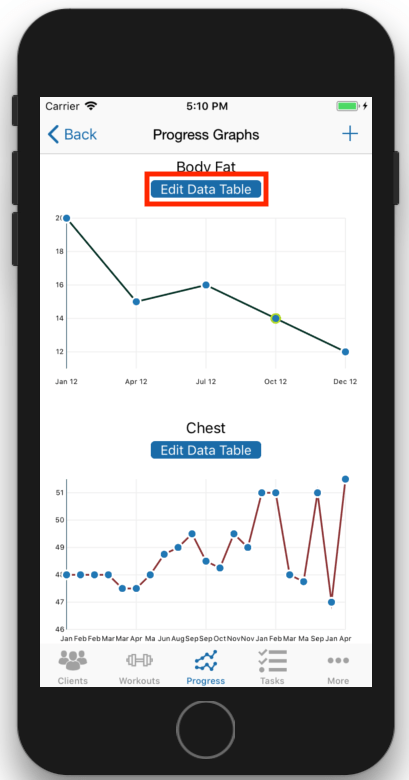
If you already know the basics or you’re working with a program from a coach, Strong is one of the cleanest ways to track lifting. It’s not a “follow-along class” app, it’s a high-function workout log that makes progressive overload easier: you see your numbers, rest times, and history at a glance. Women who want to get stronger often benefit from tracking because it keeps you honest and makes progress visible when the mirror feels slow.
For guided strength and conditioning at home: Nike Training Club
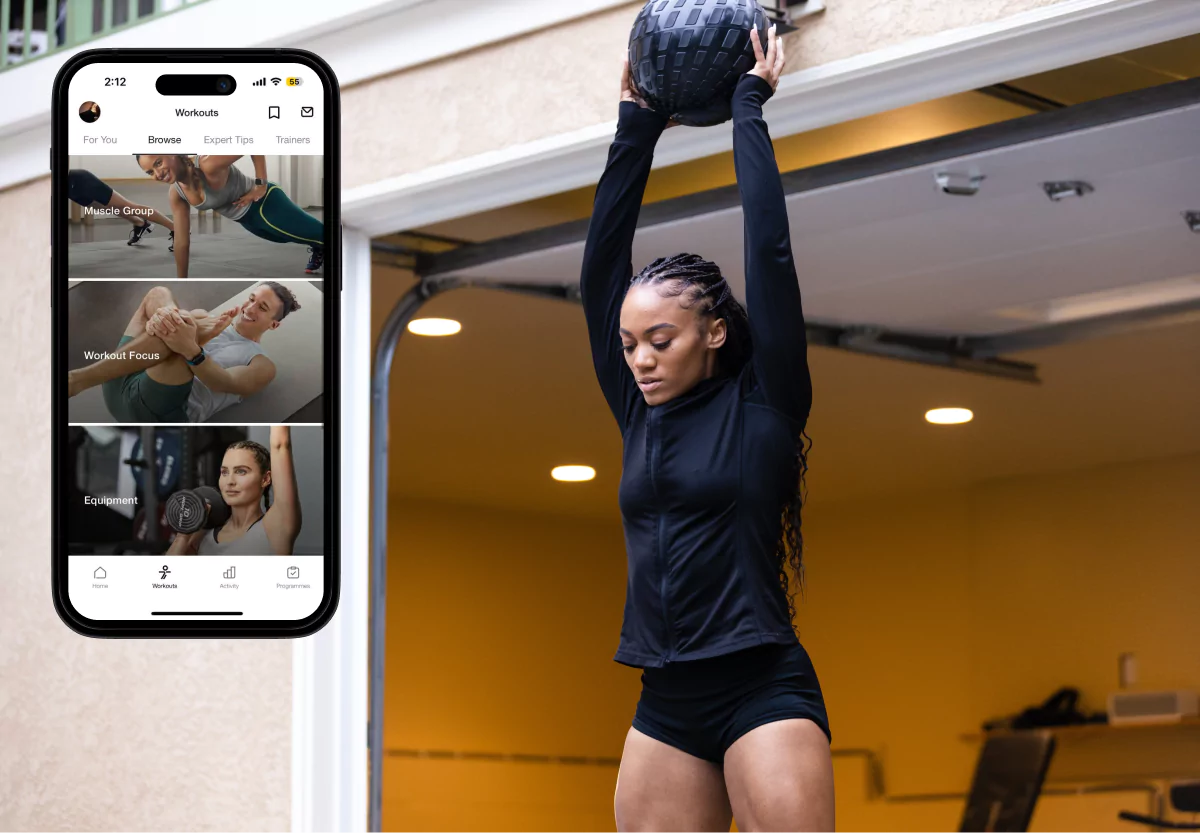
Nike Training Club offers a deep library of strength, mobility, yoga, and conditioning sessions with solid coaching and accessibility across levels. It’s especially good if you like variety but still want quality instruction. Pick a plan, commit to a schedule, and treat it like appointments. If you’re new, start with shorter strength sessions and add volume gradually.
For fat loss support with behavior coaching: MyFitnessPal
Fat loss isn’t “just cardio.” It’s usually a mix of sustainable nutrition, strength training, and habits you can keep. MyFitnessPal remains a strong choice for food logging and awareness. The app’s biggest advantage is feedback: you quickly learn where your calories and protein actually land. If you use it, set one priority first, like hitting a protein target, rather than micromanaging everything. For protein needs and performance fueling, a practical evidence-based starting point is the Journal of the International Society of Sports Nutrition (great for deep dives, especially if you like the “why” behind the numbers).
For simple, effective walking and running: Strava
If your best workout is the one you’ll do, walking and running are underrated tools for fitness and mental clarity. Strava shines for tracking, route discovery, and gentle competition. It’s also excellent if you’re returning to exercise postpartum or after a break and want low-friction consistency. Keep it simple: aim for a weekly minutes goal, then layer in one strength day so you build muscle and protect joints.
For yoga, mobility, and stress relief: Down Dog
Mobility and stress management are not extras, they’re performance tools. Down Dog is a favorite because it personalizes sessions by time, level, focus area, and pacing. If strength training leaves you tight, add 10 minutes of targeted mobility a few days a week. Your hips, shoulders, and lower back will thank you.
Apps built around women’s bodies and lifestyles (cycle, prenatal, postpartum, and community)
Some apps directly address life phases and physiology that mainstream platforms often skip. These can be game-changers if you want training that feels supportive instead of confrontational.
Cycle-aware training and education: FitrWoman
If you’ve ever wondered why some weeks your lifts feel amazing and other weeks everything feels heavy, cycle literacy can help you plan with more compassion and strategy. FitrWoman offers cycle-based insights and guidance for training and nutrition. This doesn’t mean you can’t train hard during your period, it means you can learn patterns and adjust intelligently when recovery is lower.
Prenatal and postpartum focused coaching: Sweat (select programs) and specialist resources
Many women want to keep training during pregnancy or return safely postpartum, but generic HIIT programs can be a poor fit. Sweat offers multiple trainers and programs, and some users find its structure helpful for home training. Still, pregnancy and postpartum are areas where individualized guidance matters. Use apps as tools, not as a substitute for medical advice. For safety basics, the ACOG guidance on exercise during pregnancy is a trustworthy reference.
Community-first motivation: FitOn
If you thrive on variety and encouragement, FitOn delivers a wide range of classes. Community features can reduce the “I’m doing this alone” feeling, which is a big reason many people quit. If you love group energy but hate commute time, this is a strong compromise.
How to choose the right app (so you actually keep using it)
Here’s a quick, practical method to stop overthinking and pick a winner. Give yourself a 14-day trial period and judge the app by behavior, not hype.
- Define your primary goal: strength, fat loss, endurance, mobility, or stress relief. Pick one.
- Choose your minimum schedule: what can you do on a busy week? For many women, that’s 3 sessions of 25 to 40 minutes.
- Match the app to your environment: gym access? home only? minimal equipment? Avoid plans that require gear you don’t have.
- Audit coaching quality: Are demos clear? Are there regressions and progressions? Can you swap movements if your knees or shoulders get cranky?
- Track one metric that matters: weights lifted, weekly minutes, steps, or protein. One metric keeps you consistent without obsessing.
- Commit for 12 weeks: Most meaningful progress happens when you repeat basics long enough to improve them.
Two small coaching notes that make a big difference:
First, prioritize strength if you’re unsure what to do. Muscle supports metabolism, posture, and long-term health, and it’s one of the best “anti-fragile” investments you can make. Second, keep cardio honest: if you’re doing a lot of high intensity but not recovering well, swap one session for an easy walk or zone 2 effort and watch your consistency improve.
Sample “best app stack” combinations (pick one and simplify)
You don’t need five apps. But pairing one training app with one support tool can work well. Here are simple stacks that cover most needs:
- Strength at the gym: Strong + Strava (for light cardio and motivation).
- Home recomposition (tone and strength): Nike Training Club + MyFitnessPal (protein and calories awareness).
- Stress relief and mobility: Down Dog + Strava (daily walks).
- Cycle-informed performance: FitrWoman + your preferred strength plan (keep training, adjust intensity).
If you’re prone to burnout, choose the most “boring” option you can repeat. If you’re prone to procrastination, choose the most guided option with the least setup. Match the tool to your personality, not an idealized version of you.
Bottom line: the best fitness apps for women are the ones that help you train consistently, recover well, and see measurable progress without turning fitness into a second job.
Ready to start? Pick one app from this list, set a realistic 3-day schedule for the next two weeks, and treat it like a non-negotiable meeting with yourself.