Buying sneakers shouldn’t feel like solving a mystery, yet for many women it does. One pair rubs your heel raw after a mile. Another looks amazing in photos but turns every commute into a foot workout you didn’t ask for. Then there’s the “almost right” sneaker: supportive enough for errands, not quite stable for training, and somehow still too bulky with jeans. The problem is not your feet. It’s that “best sneakers for women” depends on what you do, how you move, and what your body needs from the shoe. The good news: there are clear ways to narrow the field without guessing. In this guide, you’ll learn how to choose sneakers by activity, fit, and features, plus a curated set of proven picks and practical shopping checks.
Table of Contents
Start with the job: what your sneakers need to do
The most reliable way to find the best sneakers for women is to match the shoe to the task. Brands market “do-everything” models, but the details that make a shoe great for running can be annoying for lifting, and a court shoe that grips beautifully indoors may feel stiff on long walks. Use these categories as your shortcut.

Everyday walking and travel
For walking, you want consistent cushioning, a smooth heel-to-toe transition, and enough room in the forefoot for natural toe splay. Look for a stable platform rather than a super soft, sinky midsole, which can fatigue your arches over time. Many podiatrists also emphasize choosing a size that leaves a thumb’s width in front of the longest toe and avoiding toe boxes that pinch. If you want a deeper fit checklist, the American Podiatric Medical Association’s foot health tips are a practical reference.
Solid walking-friendly picks:
- HOKA Clifton: light, cushioned, and easy for long days on your feet.
- New Balance 990 series: supportive, durable, and a favorite for all-day wear.
- ASICS GEL-Nimbus: plush but still structured enough for many walkers.
Running (road and treadmill)
Running shoes should match your gait and mileage. Neutral runners typically do well with balanced cushioning and a stable heel counter, while overpronators may prefer a mild stability shoe that guides the foot without feeling rigid. If you’re unsure where you land, a specialty running store gait check helps, or you can start with widely tested models and adjust from there.
Evidence-based guidance on injury prevention and shoe basics is well summarized by the American College of Sports Medicine resources, which echo a key point: comfort matters, and pain is a signal to change fit or model.
Dependable running picks:
- Nike Pegasus: a classic daily trainer, good for many foot types.
- Brooks Ghost: smooth ride, reliable fit, and consistent cushioning.
- ASICS GT-2000 (stability): supportive without feeling like a brick.
Gym training and lifting
If you lift, do HIIT, or train with lateral movement, prioritize a flatter, more stable base and secure midfoot lockdown. Very soft running shoes can feel wobbly under a barbell and may reduce your sense of control during quick direction changes. For most gym routines, a cross-trainer with a firmer midsole and a grippy outsole is the safe bet.

Strong training picks:
- Nike Metcon: stable for lifting, built for hard gym sessions.
- Reebok Nano: versatile cross-trainer, comfortable for circuits.
- Under Armour TriBase: good ground feel and stability for strength work.
Style-first sneakers that still feel good
If your top priority is pairing sneakers with dresses, wide-leg trousers, or office casual, choose models with supportive insoles, moderate cushioning, and enough structure to keep your foot from sliding. Many “fashion sneakers” look sleek but have thin soles and minimal support, which can turn a cute day into an achy evening.
Style-friendly choices that usually wear well:
- Adidas Samba: slim profile, easy styling, better support than many flat fashion shoes.
- Veja V-10: structured leather upper, clean lines, good everyday comfort.
- New Balance 530: retro runner look with real cushioning.
How to choose the right pair: fit, cushioning, and support that actually work
You can spot great sneakers in seconds once you know what to check. This is where most “best of” lists fail: they focus on hype instead of fit logic. Use these practical filters to avoid expensive mistakes.
Fit: the make-or-break factor
Start by measuring both feet, because many people have one foot slightly larger. Fit to the larger foot. Prioritize toe room and midfoot security: your toes should lie flat, not curl or press into the front, and your heel should feel held without slipping. If you often get numb toes, don’t assume you need “breaking in.” That’s usually a width or volume issue.
If you’re shopping online, look for retailers with clear fit guidance and return policies. Brand sizing can vary; even within the same brand, different lines fit differently.
Cushioning: soft isn’t always better
Soft cushioning can feel amazing for five minutes and tiring after five hours. For walking and standing, many women do best with “balanced” cushioning: enough shock absorption to reduce impact, but firm enough to stay stable. For running, cushion level depends on your body, stride, and history of aches. Heavier runners often appreciate more foam, while others prefer a lighter, snappier ride.
Also consider stack height: taller, maximal shoes can be comfortable but may feel less stable on uneven sidewalks or during lateral movement.
Support and stability: know what you need
Support comes from a combination of midsole geometry, torsional rigidity, and the heel counter. If your ankles tend to roll in, a stability running shoe or a sneaker with a wider base can help. If you have high arches, you may prefer a shoe with a supportive insole or the ability to swap in orthotics. For foot condition concerns, it’s worth reading an overview from a clinical source like the Cleveland Clinic guide to plantar fasciitis to understand why tight calves, poor support, and overuse often interact.
Materials and durability: what lasts and what doesn’t
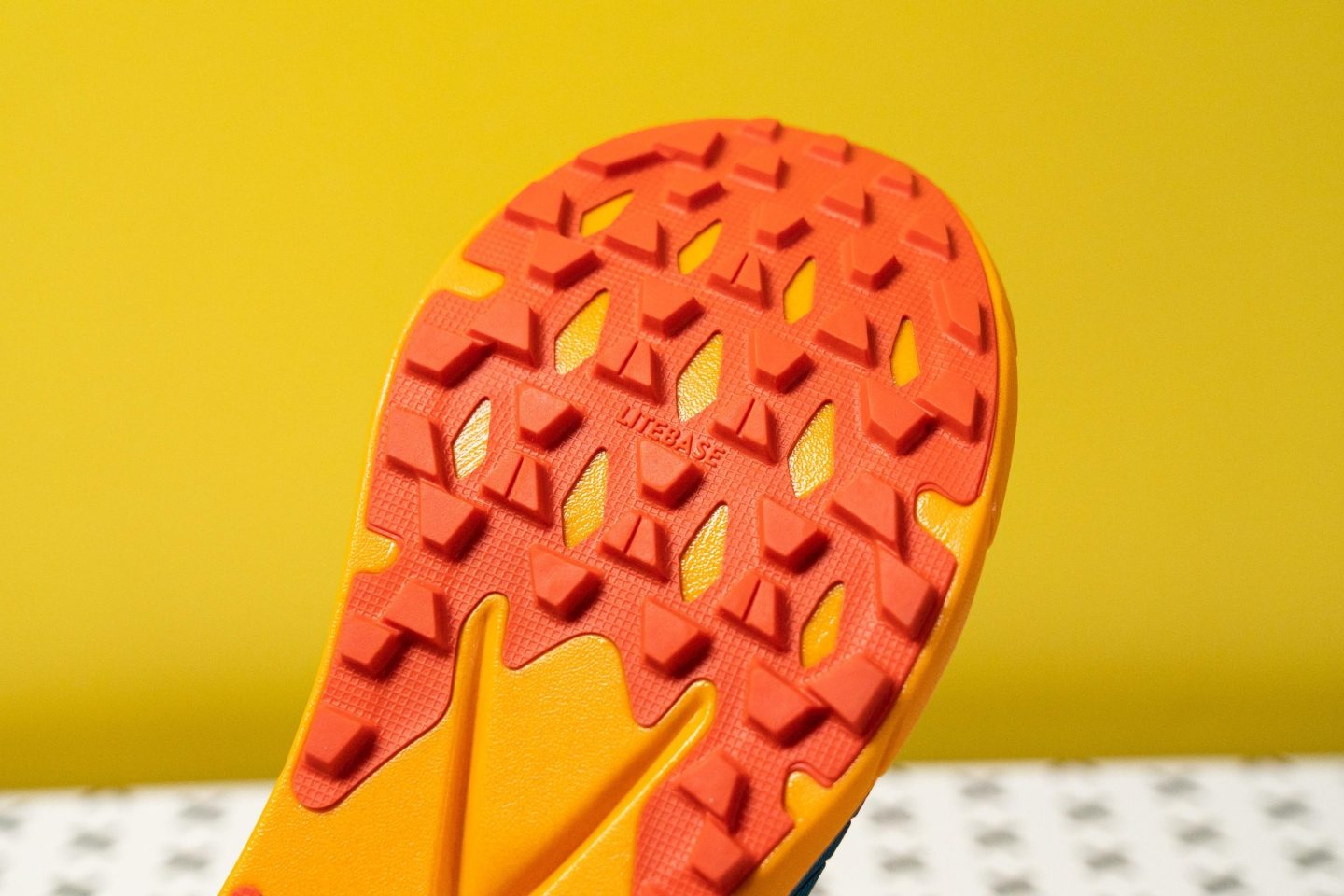
Mesh uppers breathe well but can stretch. Knit uppers look sleek but may lack structure. Leather is durable and stylish, but can run warmer and require a break-in. If you walk a lot, check outsole rubber coverage and tread pattern. A shoe with foam exposed on the bottom may wear down faster on concrete.
Top sneaker recommendations by lifestyle and foot needs
Below are practical “if this, then that” recommendations based on common scenarios. These aren’t random picks; they reflect patterns seen across brand lineups and user testing: stable bases for training, smooth transitions for walking, and dialed cushioning for running.
If you want one pair for errands, travel, and casual outfits
Try: New Balance 990 series, Adidas Ultraboost, HOKA Bondi.
Why: They combine comfort with enough structure for long wear. The 990 line is especially known for stability and durability, while Ultraboost leans springy and plush. Bondi is maximal and forgiving if you’re on hard floors all day.
If your priority is long walks and joint-friendly comfort
Try: HOKA Clifton, Brooks Glycerin, ASICS GEL-Nimbus.
Why: These models are designed to reduce impact feel. Just remember: if you feel unstable, try a slightly firmer model or a wider platform version.
If you run 2 to 5 times a week and want a reliable daily trainer
Try: Nike Pegasus, Brooks Ghost, Saucony Ride.
Why: They’re versatile, not overly specialized, and usually work well across paces. They also tend to have predictable sizing year to year, which makes re-ordering less stressful.
If you need stability for overpronation or you want extra guidance
Try: ASICS GT-2000, Brooks Adrenaline GTS, New Balance 860.
Why: These shoes add support features that help keep your stride consistent. The key is “support without pressure.” If you feel pushed too aggressively, size up in width or try a different stability geometry.
If you lift heavy or do CrossFit-style workouts
Try: Nike Metcon, Reebok Nano, TYR CXT-1.
Why: Stable heel, secure upper, and grip for rope climbs or fast transitions. If you also run during workouts, consider keeping a separate running shoe, your joints will notice the difference.

If you have wide feet or want a roomier toe box
Try: New Balance models in wide sizes, Altra (foot-shaped toe box), certain Brooks lines in wide.
Why: Toe space reduces rubbing and can improve comfort on longer days. Quick tip: don’t compensate for narrow shoes by sizing up too much in length, that often causes heel slip and blisters.
If you want a stylish sneaker that still supports you
Try: Veja V-10, Adidas Samba, New Balance 530.
Why: These pairs look sharp while staying more walkable than many minimalist fashion sneakers. Add a quality insole if you want more arch support, but make sure it doesn’t lift your heel too high and cause slipping.
Smart shopping checklist (use this before you hit “buy”)
- Pick the category first: walking, running, training, or style-first.
- Confirm width options: if you’re between sizes, try wide before sizing up in length.
- Check return policy: plan to test indoors on clean floors for 15 minutes.
- Look at outsole rubber: more rubber usually means better durability on pavement.
- Assess heel hold: your heel should feel secure without needing to overtighten laces.
- Buy for your real life: the “best” sneaker is the one you’ll actually wear.
One last expert tip: rotate pairs if you can. Alternating between two sneakers can reduce repetitive stress and extend shoe life, especially if you walk or run frequently.
Conclusion: Choose your category, prioritize fit, and use the feature checks above to narrow to a few proven models. Then order, test, and keep the pair that feels right from step one. Ready to upgrade your comfort? Pick your top two contenders from this list and try them on at home this week.

Writer with a background in ergonomics. Enjoys reviewing and discussing home furniture & clothing , that’s comfortable and supportive for the entire family.