
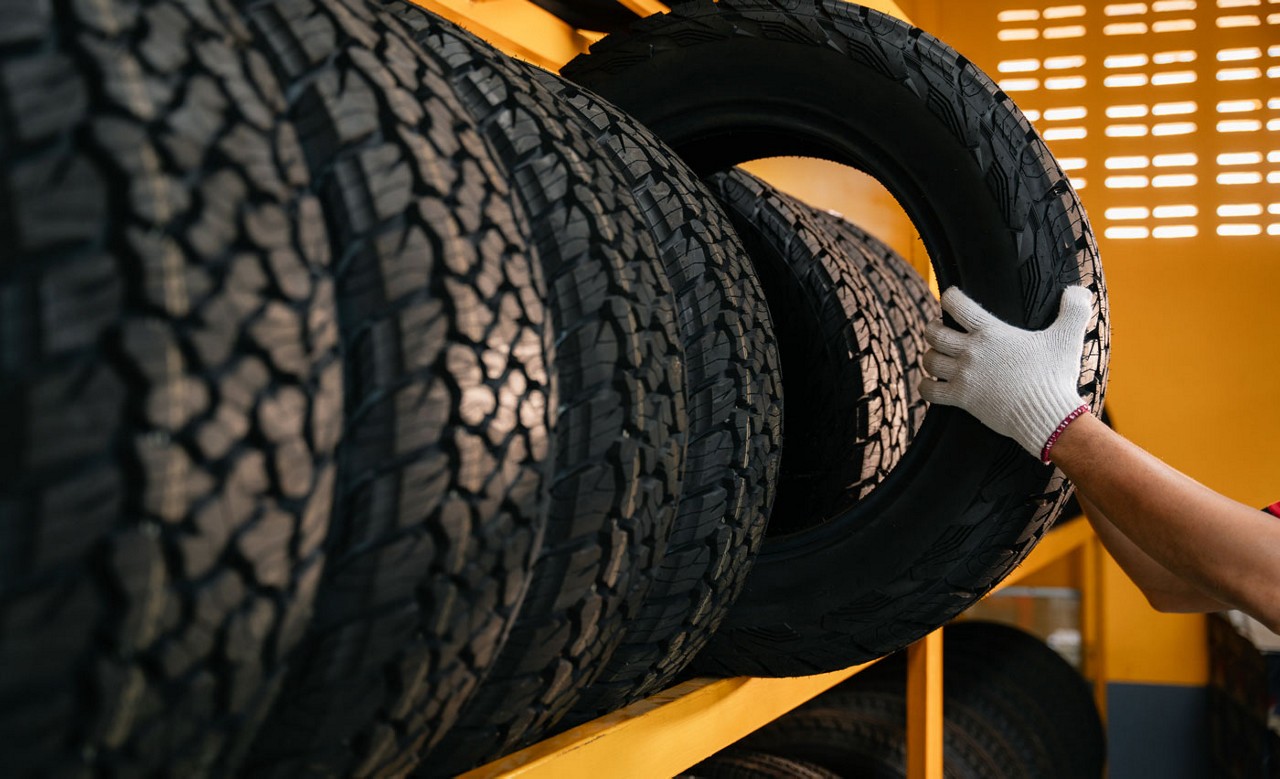
Buying tires online feels simple until you hit the first fork in the road: do you prioritize price and convenience, or do you pay for a full-service ecosystem with deep testing, fitment tools, and installer networks? That is where “Priority Tire vs Tire Rack” becomes a real decision, not just a brand comparison. One shopper wants a budget-friendly set shipped fast to their door. Another wants a data-backed recommendation, expert reviews, and the confidence that the tires will fit, ride quietly, and last. The tricky part is that both approaches can be “right” depending on your vehicle, your driving, and how much hand-holding you want. Below, we break down how each retailer operates, what the numbers and policies imply in practice, and how to pick the option that actually matches your needs.
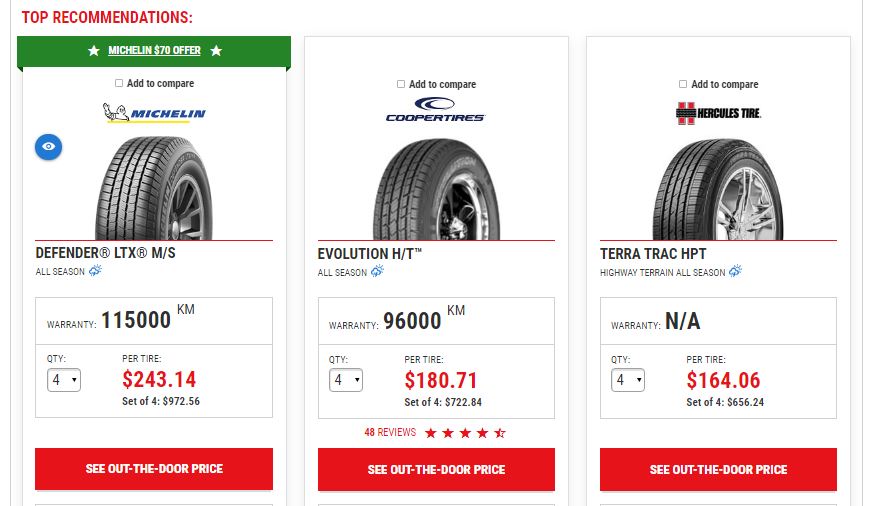
Table of Contents
What each retailer is built to do (and why that matters)
Priority Tire and Tire Rack often serve different buyer mindsets, even when they sell overlapping products. Priority Tire is widely recognized for aggressive pricing, frequent promotions, and a broad catalog that includes many value and mid-tier lines. Its appeal is straightforward: find a deal, ship it quickly, get it installed locally. It is more “transactional,” which can be a positive if you already know what you want and you are comfortable managing installation yourself.
Tire Rack, on the other hand, built its reputation on being research-heavy. It invests heavily in editorial content, tire testing, comparison tools, and detailed fitment guidance. Tire Rack is also connected to a large installation network and, via corporate ownership, has ties to a broader distribution and service footprint. For many drivers, the value is not only the tire, but the reduced uncertainty: you can validate the choice with test results, customer survey data, and compatibility tools before you click Buy.
If you like to “buy once, cry never,” Tire Rack’s model aligns with that. If you want maximum savings and can do your own homework, Priority Tire’s model can work brilliantly.
Pricing, selection, and the real cost of “cheap”
Sticker price is the headline, but total cost is what matters. In practice, the final bill comes down to tire price plus shipping (if any), taxes, installation, disposal fees, valve stems, and alignment checks. Both retailers can be competitive, but their strengths differ.
Priority Tire pricing pattern: Priority Tire frequently undercuts on base price, especially on less famous brands or discontinued patterns. If you are flexible and willing to consider alternatives, you can find strong value. The trade-off is that you may do more of the comparison work yourself: understanding wet traction ratings, treadwear warranties, and real-world noise can take time. A good baseline for decoding tire labeling is the U.S. government’s overview of the UTQG tire ratings, which helps you interpret treadwear, traction, and temperature grades.
Tire Rack pricing pattern: Tire Rack may not always win on raw price, but it often competes strongly when you factor in available rebates, bundled packages (tires plus wheels), and access to vetted installers. Tire Rack’s own test reports and surveys can reduce the risk of choosing a tire that looks good on paper but disappoints on-road. Their editorial approach is a form of “insurance” against buyer’s remorse.
To keep the decision honest, build a simple total-cost checklist before you compare carts:
- Installed price: tires + shipping + install + disposal fees
- Warranty clarity: treadwear and road hazard coverage (if offered)
- Availability: how quickly the exact size and load rating ship
- Installer logistics: appointment availability and distance
Advice: if you drive a high-torque EV, tow regularly, or run a staggered fitment, don’t chase the lowest price first. Start with the correct load index, speed rating, and OE-type requirements, then hunt for the best deal inside that safe box.
Fitment accuracy, testing data, and avoiding costly mistakes
Fitment errors are the silent budget killer. Ordering the wrong size, load index, or incorrect winter spec can turn “cheap tires” into a return-and-rebuy mess, plus downtime for your vehicle.
Tire Rack’s advantage: Tire Rack is known for robust fitment tools and research content. Beyond basic size, it often helps shoppers think about what actually changes on the road: steering feel, hydroplaning resistance, braking distance, and cabin noise. Their comparative testing and customer survey-style feedback can be especially valuable if you are choosing between two similar touring tires or trying to understand whether a performance all-season will ride too harshly on your suspension.
Priority Tire’s advantage: Priority Tire can be ideal for drivers who already have a known-good SKU, are replacing the same model, or are working from a trusted mechanic’s recommendation. If your priority is speed and price and you already have the details nailed down (size, load index, speed rating), the buying process can be fast and satisfying.
A strong habit, regardless of retailer, is to verify your tire size and specs in two places: your driver-side door jamb placard and your existing tire sidewall. For general tire safety and maintenance guidance, the NHTSA tire safety page is a practical reference, especially on pressure, tread depth, and replacement timing.
Quick expert tip: if you are upsizing wheels or changing aspect ratio, be cautious. Small differences can impact speedometer accuracy, ABS behavior, and rubbing at full lock. When in doubt, stick to factory diameter or consult a professional fitter.
Shipping, returns, and customer experience: what you feel after checkout
Online tire buying is not just about the click. It is about what happens when something goes wrong: a delayed shipment, a damaged tire, a mismatched DOT date expectation, or a tire that is simply louder than you can tolerate.
Shipping speed: Priority Tire often emphasizes fast fulfillment and competitive delivery. Tire Rack also has strong logistics, and in many regions it can ship quickly due to distribution coverage. The difference is less about “who ships faster” and more about “who makes resolution easier” if there is a hiccup.
Returns and problem-solving: Policies vary by product and circumstance, so you should read the current terms before ordering. In general, Tire Rack’s support infrastructure and documentation can feel more guided, especially if you are using their recommended installer network. Priority Tire may feel more streamlined and cost-focused. Neither is inherently better; it depends on whether you value white-glove guidance or minimum friction and maximum savings.
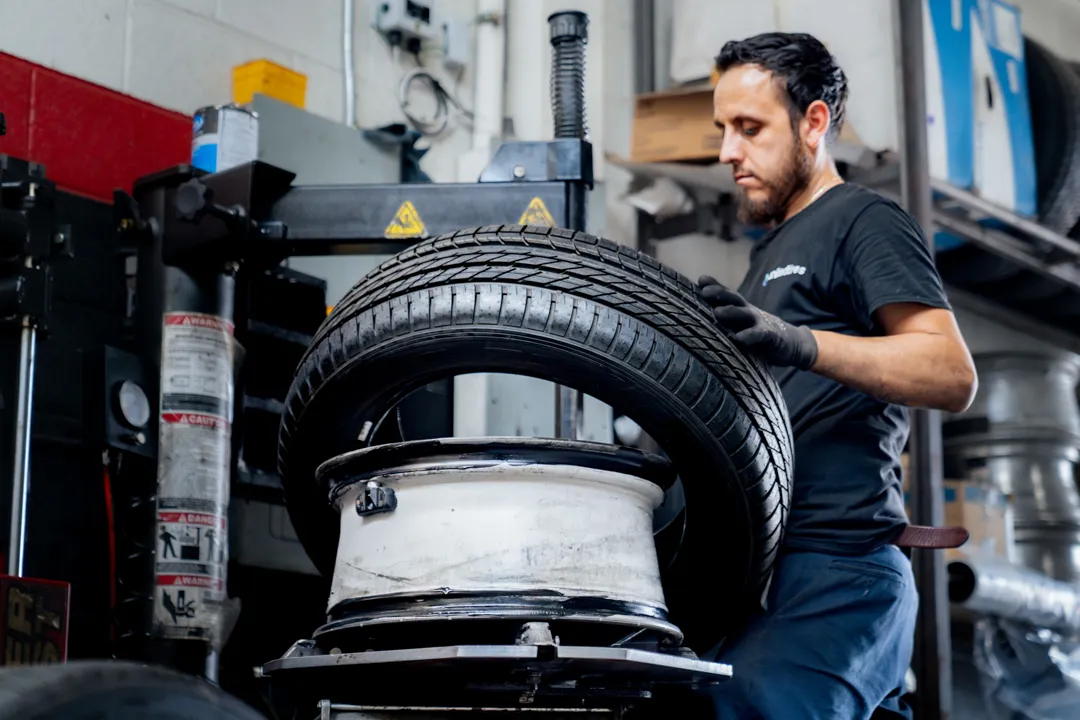
Installation reality check: No matter where you buy, your experience is heavily influenced by the installer. If you are sourcing your own shop, call ahead and confirm:
- They will mount tires purchased online.
- They can handle your TPMS system correctly.
- They will road force balance if needed (helpful for vibration issues).
- They will re-torque lug nuts after 50-100 miles (or advise you to do it).
Advice: If your schedule is tight, prioritize a predictable install appointment over saving a few dollars on the tire itself. A cheap tire that sits in your garage for a week is not a bargain.

Which one should you choose? Scenarios that make the answer obvious
If you want a clear decision, match the retailer to your use case.
Choose Priority Tire if:
- You know your exact tire size and specs and you are confident in your choice.
- You are hunting value brands, closeouts, or promo pricing.
- You have a trusted local installer and you prefer handling logistics yourself.
- You are replacing an existing tire model and just want it delivered fast.
Choose Tire Rack if:
- You are comparing multiple tires and want test data and detailed guidance.
- You care about nuanced performance: noise, wet braking, ride comfort.
- You want a streamlined path to installation through a network.
- You are buying a tire category you have not owned before (winter, track-focused summer, run-flat replacements).
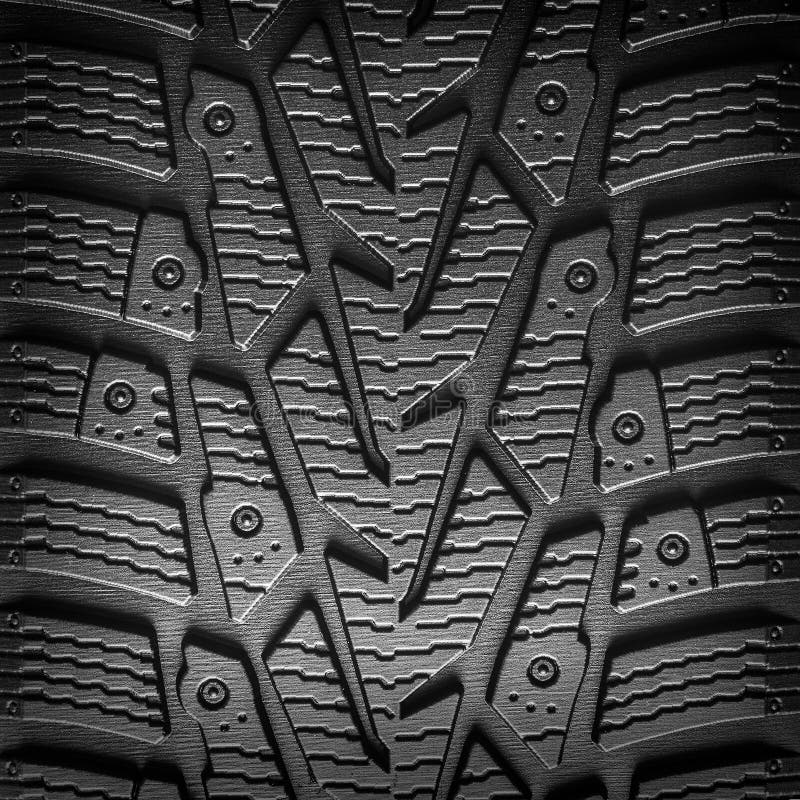
One more practical note: if you are switching to winter tires, do not treat it like a normal all-season purchase. Rubber compounds and tread design matter more than brand hype. Cross-check your needs with neutral education sources like the winter vs all-season overview and then use the retailer that best supports your confidence level, whether that is deal-driven or research-driven.
Bottom line
Priority Tire tends to win when you want the best price and already know what you are doing. Tire Rack tends to win when you want the safest path to the right tire through testing, fitment confidence, and guided support. Pick the one that reduces your personal risk, then compare total installed cost, not just the tire price. Do that, and your next set of tires will feel like an upgrade, not a compromise. Now choose your retailer, confirm your specs, and schedule installation so the purchase turns into better driving immediately.

weapons and military expert


