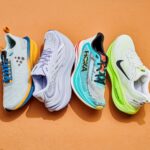
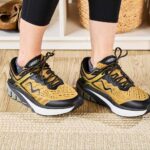
Walking into a sportswear store (or scrolling a product page at midnight) can feel like a test: every brand promises “performance,” every shoe claims “energy return,” and every legging is supposedly “squat-proof.” The real problem is not the lack of options, it’s figuring out which labels consistently deliver on fit, durability, and sport-specific design without paying for hype. Some brands excel at running biomechanics, others dominate training fabrics, and a few are quietly better at recovery and everyday comfort. This guide breaks down the best sportswear brands by what they do well, what they’re known for, and how to choose smartly for your goals. You’ll also get practical buying tips, plus links to credible resources, so you can spend less time guessing and more time moving.

Table of Contents
What “best” actually means in sportswear
“Best” depends on the job you’re asking the gear to do. A cushioned marathon shoe is not the same tool as a stable lifting shoe. Likewise, buttery-soft yoga tights can be a poor match for high-abrasion turf training. When comparing brands, evaluate them like an athlete, not like a logo collector.
Here are the criteria that separate great sportswear from expensive regret:
- Sport-specific engineering: running brands should talk about gait, foam chemistry, and outsole durability; training brands should emphasize stability, grip, and abrasion resistance.
- Materials and construction: look for consistent stitching, reinforced high-stress zones, and fabrics that match the activity (sweat-wicking for cardio, thicker knits for lifting, compressive support for impact).
- Fit consistency across seasons: top brands keep sizing reliable even when collections change.
- Testing culture: brands that publish athlete testing, lab insights, or have credibility with reviewers usually iterate faster.
- Value over time: a $120 short that lasts years is often “cheaper” than a $40 pair that bags out in two months.
If you want a deeper, evidence-driven angle on shoes in particular, it helps to cross-check with independent testing and biomechanical context. Resources like the Runner’s World gear guides and lab-style reviews at RunRepeat can ground your decision in more than marketing copy.
Performance giants: proven, versatile, and easy to shop
If you need one brand that can cover multiple sports reasonably well, the global leaders stay popular for a reason: distribution, wide size runs, and constant product iteration. They are not automatically the “best” for your specific niche, but they’re strong default choices when you want dependable basics and frequent updates.
Nike remains a top pick for running and training variety, with deep footwear lineups and frequent tech refreshes. The upside is selection: you can dial in everything from lightweight racing shoes to stable trainers, plus a huge apparel range. My advice: be picky within the brand. Nike’s best pieces are excellent, but the catalog is broad enough that some items are simply average. Use reviews, and prioritize lines with clear performance intent.
Adidas is consistently strong for running comfort and lifestyle-to-training crossover. The brand often shines in midsole comfort and long-wear uppers, and it does a good job blending performance silhouettes with everyday styling. If you travel a lot, Adidas gear is often a safe “one-bag” choice: comfortable, presentable, and athletic enough for hotel gym work.
Puma has built real momentum in running and training again, often offering competitive performance at a slightly friendlier price than the two giants. It’s worth checking if you like a snugger, more sculpted fit in both shoes and apparel.
Under Armour is a reliable option for training-focused apparel, especially compression layers and sweat-handling basics. If your workouts are primarily strength and conditioning, this brand’s functional staples can be a smart core wardrobe, just pay attention to fabric weight and intended use.
For apparel care and durability, don’t underestimate the basics: wash technical fabrics cold, avoid fabric softener, and hang dry when possible. It extends the life of elastane blends dramatically.

Specialists that athletes swear by (running, training, yoga, and outdoor)
Where the big brands win on breadth, specialists win on focus. These labels often solve a specific problem better: long-run foot fatigue, high-impact support, heavy-duty durability, or comfort that stays consistent after dozens of washes.
Running specialists: ASICS, Brooks, Saucony, HOKA, New Balance. If running is your primary sport, these brands are hard to beat because their product lines are built around biomechanics and injury risk management, not just aesthetics. ASICS is known for stability and structured cushioning, Brooks for dependable daily trainers and fit consistency, Saucony for lively performance models, HOKA for max cushion and smooth transitions, and New Balance for a wide range of widths and well-rounded comfort. If you’re unsure where to start, browse educational material like ASICS Running Blog or shoe rotation advice from reputable reviewers, then match it to your mileage and goals.
Training and CrossFit: Reebok and Nike (Metcon line), plus emerging strength-focused labels. For lifting and functional fitness, stability matters more than bounce. Reebok built a long-standing reputation in CrossFit culture, and stable trainers like Nike’s Metcon series are popular for a reason: wide base, firm midsole, durable upper. Tip: if you squat or deadlift heavy, avoid overly soft running shoes in the weight room. Keep a separate pair for strength days.
Yoga and studio comfort: Lululemon, Alo Yoga, Beyond Yoga. These brands earn loyalty through fabric hand-feel, waistband design, and fit that stays flattering when you move. Lululemon in particular is known for consistent tailoring and premium knits. That said, “best” here is personal: if you prefer compressive support for hot yoga or Pilates, pick tighter technical blends; if you want lounge-level softness, choose brushed fabrics and accept slightly less durability against rough surfaces.
Outdoor performance: Patagonia, Arc’teryx, The North Face. If your training is on trails or in rough weather, outdoor brands often outperform traditional gym labels on shell fabrics, insulation, and long-term durability. Patagonia also stands out for brand transparency and repair culture; its Worn Wear program is a practical way to buy or extend life, especially for outer layers. Arc’teryx is premium priced but respected for technical construction and fit precision in harsh conditions.
Style-forward sportswear that still performs
Some brands sit at the intersection of performance and design, which matters if you want gear that transitions from workout to errands without looking like you’re still waiting for your coach. The key is avoiding “fashion athletic” pieces that trap heat, stretch out, or pill quickly.
New Balance (again) deserves a mention here because it’s one of the few brands that can be genuinely technical and genuinely stylish at the same time. Many of its lifestyle-adjacent trainers still feel good for walking, light runs, and gym warmups, especially if you value width options.
Adidas continues to excel at wearable silhouettes and clean colorways that don’t scream “gym-only.” If you want minimal branding and a tidy look, Adidas often has more subtle options than competitors.
On has become a favorite for those who want performance credibility with a crisp aesthetic. The brand is especially popular for running and all-day wear. My advice: treat On as shoe-first. Try before you buy if possible, because the ride and fit feel distinct compared to more traditional midsoles.
Vuori is a comfort powerhouse for training-lite days, mobility work, and recovery. It’s not a replacement for high-abrasion strength sessions, but it’s excellent for the “I want to move, but I also want to be comfortable” category. If you’re building a capsule wardrobe, add one premium comfort set and rotate it, you’ll reach for it more than you expect.

How to choose the right brand for you (quick, practical rules)
Brand loyalty is convenient, but performance improves faster when you build a small kit from the best tool for each job. Use these rules to narrow the field without overthinking:
- Match the brand to the sport: running-heavy week? start with ASICS, Brooks, Saucony, HOKA, Nike, Adidas, New Balance. Strength-heavy? prioritize stable trainers and durable shorts from Reebok, Nike training lines, Under Armour, or specialist strength gear.
- Buy the “hero” product, not the entire catalog: most brands have standout models and average filler. Find the proven lines and stick with them.
- Fit beats reputation: the best shoe is the one that fits your foot shape. If possible, buy from retailers with easy returns.
- Rotate gear to extend life: two pairs of shoes worn alternately usually last longer than one pair worn daily, because foam rebounds between runs.
- Don’t ignore socks and sports bras: blister-free runs and comfortable training often come down to these. Look for seamless toes, targeted cushioning, and supportive band design.
If you want to make smarter shoe choices with fewer guesses, a fitting session at a specialty running store can help, and educational hubs like RoadTrailRun offer detailed comparisons across models and brands.
Final take: build a “best for you” sportswear lineup
The best sportswear brands are the ones that consistently match your training style, body, and environment, not the ones with the loudest campaigns. Pick one or two reliable giants for basics, add a specialist for your main sport, and invest in a couple of comfort pieces you’ll actually wear. Now, choose your top three needs (running, lifting, yoga, outdoor), audit what’s not working in your current kit, and upgrade one item this week with intent.

weapons and military expert