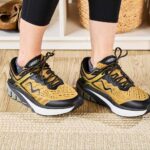
Buying the best shoes for sports for men feels easy until you actually try to do it. One pair claims to be “all-purpose,” but your knees complain after a week of runs. Another feels fast on the treadmill, then slides during lateral cuts on the court. The problem is not your feet, it’s the mismatch between the shoe and the forces your sport creates: impact, rotation, braking, and repetition. Add in fit quirks, foot shape, and surfaces (track, turf, hardwood, asphalt), and it’s no surprise that “best” is often code for “best for someone else.” In this guide, you’ll get a clear, sport-first way to pick the right men’s athletic shoes, what specs actually matter, and which models and categories consistently perform well. You’ll leave knowing what to buy and why.

Table of Contents
Start with the sport, not the brand
The fastest way to waste money is choosing by hype. The fastest way to choose well is matching the shoe to the movement pattern. Different sports stress your body differently, and shoe designs are built around those stress patterns.
- Running (road or treadmill): repetitive forward motion with high impact. You want cushioning, smooth heel-to-toe transitions, and stable geometry.
- Basketball: vertical jumps, hard landings, sharp cuts. Look for strong lateral containment, grippy rubber, and a stable base.
- Training (gym, CrossFit-style classes): mixed lifting, short sprints, multidirectional work. Prioritize a firm midsole and a secure upper for side-to-side stability.
- Soccer/football (cleats): traction and lockdown on grass or turf. Fit and stud pattern matter more than “cushion.”
- Tennis/pickleball: quick lateral shuffles and stops. Court-specific outsoles and rigid sidewalls prevent ankle and foot fatigue.
- Hiking/trail sports: uneven terrain. Look for lugged outsoles, rock protection, and supportive uppers.
Tip: If you truly do multiple sports, don’t force one shoe to do everything. A cushy running shoe is usually a poor lifting shoe because the soft foam reduces stability. Conversely, a flat trainer can feel harsh for long runs.
Key features that separate “fine” from “great”
When reviewers disagree, it’s often because they’re judging different features. Use these checkpoints to compare shoes across brands and price points.
Fit and last shape
Fit is performance. A shoe can have elite foam and still be wrong if your foot slides. You want a locked-in heel, a midfoot that feels secure without pressure points, and toe space that lets your big toe move. Many brands offer wide sizing; use it if you need it. For a practical sizing reference, consult a Brannock device fitting guide and measure both feet.
Cushioning vs stability
Cushioning absorbs impact, stability controls motion. Runners often need some blend of both. Modern foams vary: some are soft and bouncy, others are firm and protective. Stability can come from a wider base, sidewalls, or firmer foam on the inside edge, rather than old-school plastic posts.
If you’re unsure about your gait, a quick screening at a specialty shop helps, but don’t overthink “pronation” labels. Comfort and stable landings are the priority. The American College of Sports Medicine has solid basics on selecting footwear for activity and injury reduction principles.
Outsole traction and durability
Outsole rubber is where “sports-specific” becomes real. Court shoes use non-marking rubber with patterns made for hardwood grip. Trail shoes use lugs for dirt and rock. Running shoes balance weight with enough rubber in high-wear zones. If you burn through outsoles fast, look for thicker rubber coverage and avoid super-soft compounds.
Upper lockdown and breathability
For cutting sports, lockdown matters more than ventilation. Look for reinforced eyestays, supportive side panels, and a heel counter that doesn’t collapse. For long runs or hot climates, breathable mesh helps, but not at the expense of structure.
Best shoes for sports for men by category (what consistently works)
Instead of chasing a single “best shoe,” pick from categories that reliably deliver for the sport. Below are proven types and examples of men’s models that have strong track records with athletes and testers. Availability changes often, so treat these as shortlists and compare the newest versions.
1) Road running: daily trainers that protect your legs
Daily trainers are the workhorses: comfortable, durable, and forgiving. Look for a neutral cushioned model if your stride is fairly stable, or a stable trainer if you tend to collapse inward or want extra guidance.
What to look for: moderate-to-high cushioning, consistent ride, durable outsole rubber, and a fit that stays put for 5 to 10 miles.
Popular choices: ASICS Gel-Nimbus, Brooks Ghost, Nike Pegasus, Saucony Ride, New Balance 1080. If you want more structure, consider ASICS Gel-Kayano, Brooks Adrenaline GTS, or Saucony Guide.
Tip: If you feel shin splints brewing, rotate two pairs with different foam firmness. Small changes in load can help manage overuse.
2) Speed sessions and race day: plated or lightweight performance shoes
If you run intervals or race, lightweight trainers or carbon-plated models can feel faster thanks to lower weight and more responsive midsoles. These are not always the best choice for daily mileage because the aggressive geometry can load your calves and feet differently.
What to look for: responsive foam, secure upper, stable landing platform (especially if you’re not an elite runner).
Popular choices: Nike Vaporfly and Alphafly lines, adidas Adizero Adios Pro, ASICS Metaspeed, Saucony Endorphin Pro. For speed training without a full race shoe, look at lightweight tempo trainers like Saucony Endorphin Speed or adidas Boston.
3) Gym training and CrossFit-style work: stable, grippy, versatile
For lifting, jumping, sled pushes, and short runs in one session, you want a firmer base than a running shoe provides. Good trainers keep you planted during squats and still flex enough for burpees.
What to look for: firm midsole, wide platform, tough upper, and a grippy outsole that can handle rope climbs or turf.
Popular choices: Nike Metcon, Reebok Nano, TYR CXT-1 Trainer. If lifting is your main focus, a dedicated weightlifting shoe with an elevated, rigid heel can improve squat mechanics for some athletes.

4) Basketball: containment first, cushioning second
Basketball shoes should keep your foot centered on the midsole during cuts and landings. Cushioning matters, but a soft shoe that lets you roll is a problem. Pay attention to the width of the base and the sidewall support.
What to look for: strong lateral containment, torsional rigidity, reliable traction, and padding that doesn’t feel sloppy.
Popular choices: Nike LeBron line (often max cushion), Nike KD line (balanced), adidas Harden line (support), and models from Under Armour’s Curry line (traction-focused). Try them on with game socks and test lateral shuffles in-store.
5) Tennis and pickleball: court-specific soles save your legs
Court sports are brutal on shoes because of repeated lateral stops. Running shoes are a common mistake here: they’re built for forward motion and can feel unstable on quick side moves. A real court shoe has side reinforcements and an outsole made for the surface.
What to look for: lateral stability, durable toe area (draggers), and the right outsole for hard court vs clay. The USTA shoe guidance is a useful primer on court-specific design.
Popular choices: ASICS Gel-Resolution, NikeCourt Air Zoom Vapor, adidas Barricade, New Balance 996. If you play pickleball mostly on outdoor courts, prioritize durability and traction over ultra-lightweight uppers.
6) Soccer and turf: choose studs for your surface
Cleats are all about traction and fit. The biggest performance gains come from proper stud configuration for your field type. Wearing the wrong outsole can increase slipping, knee stress, or premature wear.
What to look for: tight heel and midfoot lockdown, toe box that matches your foot shape, and a plate designed for firm ground (FG), soft ground (SG), artificial grass (AG), or turf (TF).
Popular choices: Nike Mercurial, adidas Predator, Puma Future, Mizuno Morelia (loved for fit and touch). If you play mostly on artificial surfaces, don’t default to FG. Consider AG or TF for safer, more consistent traction.
How to pick the right pair in 10 minutes (a practical checklist)
Use this quick routine before you buy, and you’ll avoid most “returns after one workout” regret.
- Match the category to your primary sport. If it’s 70% running, buy a running shoe. If it’s 70% lifting, buy a trainer.
- Try shoes late in the day. Feet swell, and a shoe that feels fine at 9 a.m. can pinch at 6 p.m.
- Lock the heel first. Lace up firmly and walk. If your heel lifts, try a different model or use a runner’s loop lacing method.
- Check toe room. Aim for roughly a thumb’s width from your longest toe to the end, especially for running.
- Do sport-specific moves. Jog in place for runners, lateral cuts for court shoes, a few bodyweight squats for trainers.
- Inspect the outsole. Smooth outsole for court sports is a red flag. Aggressive lugs for indoor gym work is also a mismatch.
If you buy online, prioritize retailers with easy returns and read sizing notes. As a sanity check on fit and comfort, the general consumer guidance from the American Podiatric Medical Association can help you spot common fit problems.

Care, rotation, and when to replace sports shoes
Even the best shoes stop being “best” when they’re worn out. Most running shoes last roughly 300 to 500 miles depending on your weight, stride, and surfaces. Trainers and court shoes often fail first in the upper or outsole, not the foam. Replace shoes sooner if you notice new aches, uneven wear, or a sudden drop in traction.
Smart habit: rotate two pairs for your main sport. Alternating gives foam time to rebound and helps you notice when one pair starts to feel dead. Keep sport-specific shoes for their sport; don’t mow the lawn in your court shoes and then wonder why you slip on hardwood.
Bottom line: the best shoes for sports for men are the ones built for your movement, that lock your foot in place, and that keep traction predictable. Pick the right category, confirm the fit, and you’ll feel the difference in performance and recovery.
Ready to upgrade? Choose your primary sport, use the checklist above, and try two top models in that category this week. Your joints, speed, and confidence will thank you.

Writer with a background in ergonomics. Enjoys reviewing and discussing home furniture & clothing , that’s comfortable and supportive for the entire family.