Your shower routine probably isn’t the reason your hair “won’t grow.” Hair grows, on average, about half an inch per month, but breakage, shedding, scalp irritation, and product buildup can make it look like nothing is happening. That’s why the phrase “best shampoo for growing hair” really means: the best shampoo for creating a scalp environment where hair can thrive and for reducing the damage that steals your length. The good news is that shampoos can help, if you know what to look for and what to ignore. In this guide, you’ll learn which ingredients actually support healthier growth conditions, which marketing claims are mostly noise, and how to choose a formula based on your scalp type, hair texture, and styling habits. You’ll also get a practical routine that makes your shampoo work harder, without adding 10 new steps.
Table of Contents
What “hair growth shampoo” can and can’t do
Let’s ground this in biology. Hair growth happens in the follicle, beneath the scalp. Shampoo is a rinse-off product, so it won’t “force” follicles to produce more hair in the way a prescription treatment might. But it can still matter a lot because the scalp is skin, and skin health affects hair quality, shedding, and breakage.
What a great shampoo can do:
- Reduce inflammation and itch so you scratch less and irritate follicles less.
- Control dandruff and excess oil, both of which can worsen shedding for some people.
- Remove buildup from styling products, hard water minerals, and heavy conditioners that can leave hair limp and prone to snapping.
- Improve fiber strength through conditioning agents and proteins, so you retain length.
What shampoo cannot promise: new hair growth in bald areas, instant density, or medically meaningful regrowth without active drug ingredients. If you see bold claims, check whether they’re supported by recognized active ingredients and evidence. For a clear overview of hair loss types and what actually treats them, the American Academy of Dermatology is a solid starting point.
So the “best shampoo for growing hair” is really the best shampoo for your scalp condition plus a routine that protects the length you already have.
Ingredients that earn their place (and which ones to be wary of)
When you flip the bottle around, ignore the front label and read the ingredient list like a pro. Here are the categories that matter most, based on dermatology guidance and ingredient science.
1) Proven scalp actives (especially if you shed or flake)
If you have dandruff, itch, or greasy flakes, treating the scalp can indirectly support better retention and less shedding. Look for:
- Ketoconazole 1%: an antifungal used in dandruff shampoos; also studied for its potential supportive role in androgen-related shedding. Many people tolerate it well when used a few times per week.
- Zinc pyrithione: helps control dandruff-causing yeast and reduces flaking.
- Selenium sulfide: effective for dandruff but can be a bit drying for some hair types.
- Salicylic acid: helps lift scale and buildup, great if you feel “waxy” roots.
For an evidence-based overview of dandruff treatments and active ingredients, see the Mayo Clinic dandruff treatment guide.
2) Gentle cleansing systems (especially for fragile lengths)
Hair that breaks will never look like it’s growing. If your hair is color-treated, curly, coily, or heat-styled, prioritize shampoos labeled “gentle,” “sulfate-free,” or “for dry/damaged hair.” Note: sulfates aren’t evil, they’re just strong cleansers. Some scalps need them; some lengths hate them.
Good signs include mild surfactants (like cocamidopropyl betaine) paired with conditioning agents. If you work out daily and sweat a lot, you may still need a stronger wash at least once weekly.
3) Bond builders and strengthening helpers
These don’t grow follicles, but they help you keep your ends. Look for hydrolyzed proteins (keratin, wheat, silk), ceramides, and polyquaterniums. If your hair feels stiff or crunchy after protein, alternate with a more moisturizing formula.
4) “Growth” botanicals: helpful, but don’t expect miracles
Caffeine, rosemary, peppermint, ginseng, saw palmetto, and biotin show up everywhere. Some have early or mixed evidence, and many feel nice on the scalp. The key is to treat them as supportive rather than transformational. If a shampoo’s only “active” is a trendy plant extract at the bottom of the list, it’s unlikely to be the reason your hair changes.
5) Common irritants to watch for
If your scalp is reactive, fragrance, certain essential oils, and harsh preservatives can trigger itching and inflammation. Chronic irritation can lead to more shedding. If you suspect sensitivity, try fragrance-free and patch test.
How to choose the best shampoo for growing hair by scalp type
The fastest way to pick the right bottle is to identify your scalp category. Hair length and ends can be dry while your scalp is oily, so prioritize scalp needs first, then condition the lengths separately.
Oily scalp, limp roots, frequent shedding in the shower
You want clean follicles and controlled sebum without stripping your ends.
- Choose a clarifying or balancing shampoo 1 to 3 times per week.
- Look for salicylic acid or a gentle sulfate-based cleanser.
- Condition from mid-length to ends only.
Tip: if you use dry shampoo often, add a weekly clarifying wash. Product residue can make roots feel greasy faster, which turns into a cycle.
Dry, tight, itchy scalp (sometimes with flakes)
This is often a barrier issue. You need soothing formulas and, if flakes are present, the right active.
- If flakes are oily or persistent, consider ketoconazole or zinc pyrithione 2 to 3 times weekly.
- If flakes are fine and dry, use a gentle hydrating shampoo with scalp-friendly conditioning agents.
- Avoid aggressive scrubs; use fingertip massage instead.
Color-treated, heat-styled, or chemically processed hair
Your “growth” goal is mostly about preventing breakage.
- Pick a low-stripping cleanser and use lukewarm water.
- Use a strengthening conditioner or mask weekly.
- Limit high-heat passes and protect with a heat protectant.
Curly and coily textures (Type 3 and 4) aiming for length retention
These textures can be more prone to dryness and mechanical breakage.
- Use a moisturizing, low-lather shampoo or co-wash as your regular cleanser.
- Clarify monthly (or as needed) to remove buildup.
- Detangle with conditioner and slip, not on dry hair.
If you’re seeing widening part lines, sudden shedding, or bald patches, shampoo isn’t the whole story. Consider getting checked for iron, thyroid issues, or hormonal triggers with a clinician. For a practical overview of shedding patterns like telogen effluvium, Cleveland Clinic’s guide is useful and easy to understand.
A simple routine that makes any good shampoo work better
Even the best formula won’t help if it’s used in a way that leaves buildup behind or irritates the scalp. Use this routine for 4 weeks and judge results by scalp comfort, reduced shedding, and less breakage, not by instant baby hairs.
- Wash the scalp twice, not the lengths. First wash loosens oil and product. Second wash actually cleans the skin. Let the lather run down the ends.
- Give actives time. If you’re using ketoconazole, zinc pyrithione, or salicylic acid, leave it on the scalp for 2 to 5 minutes before rinsing.
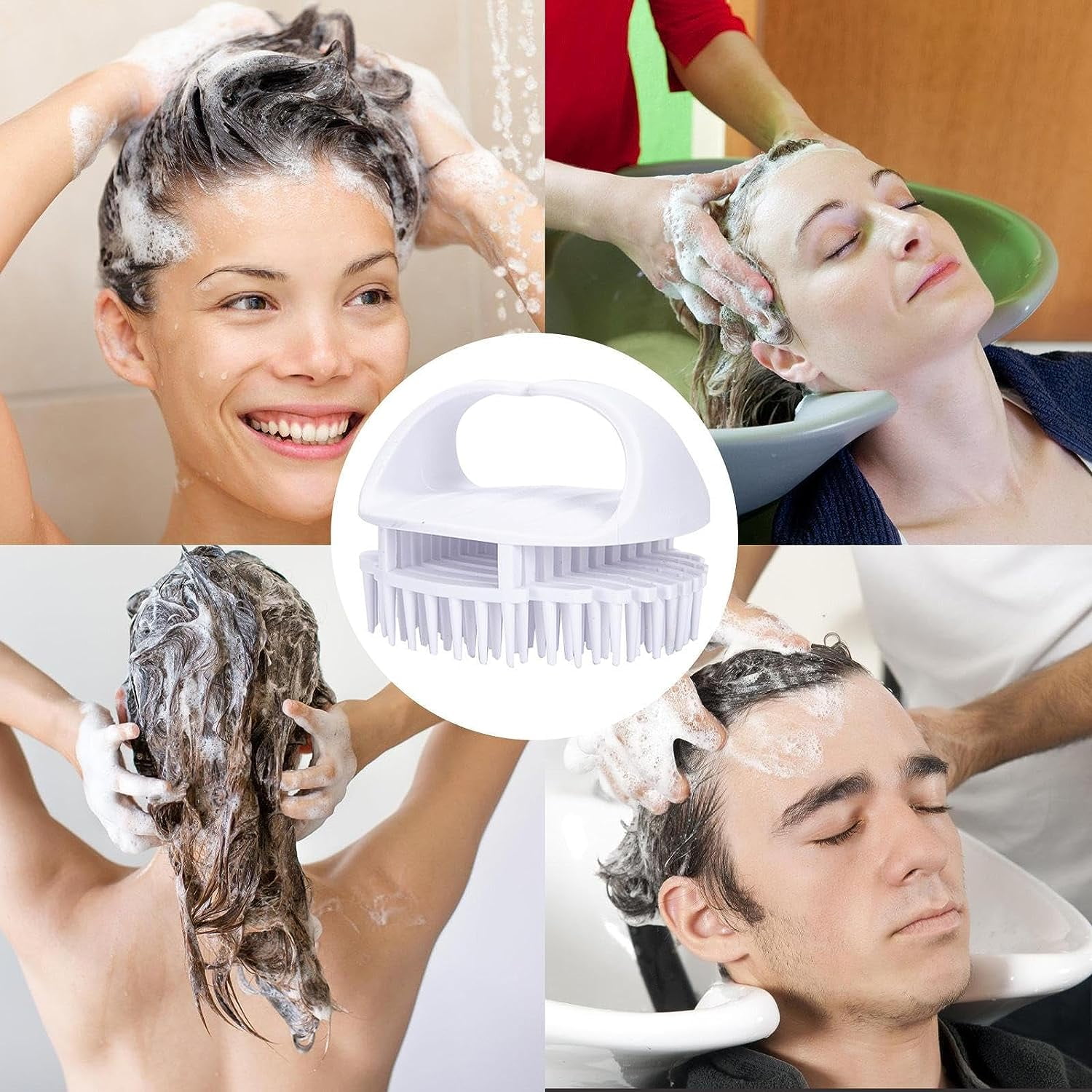
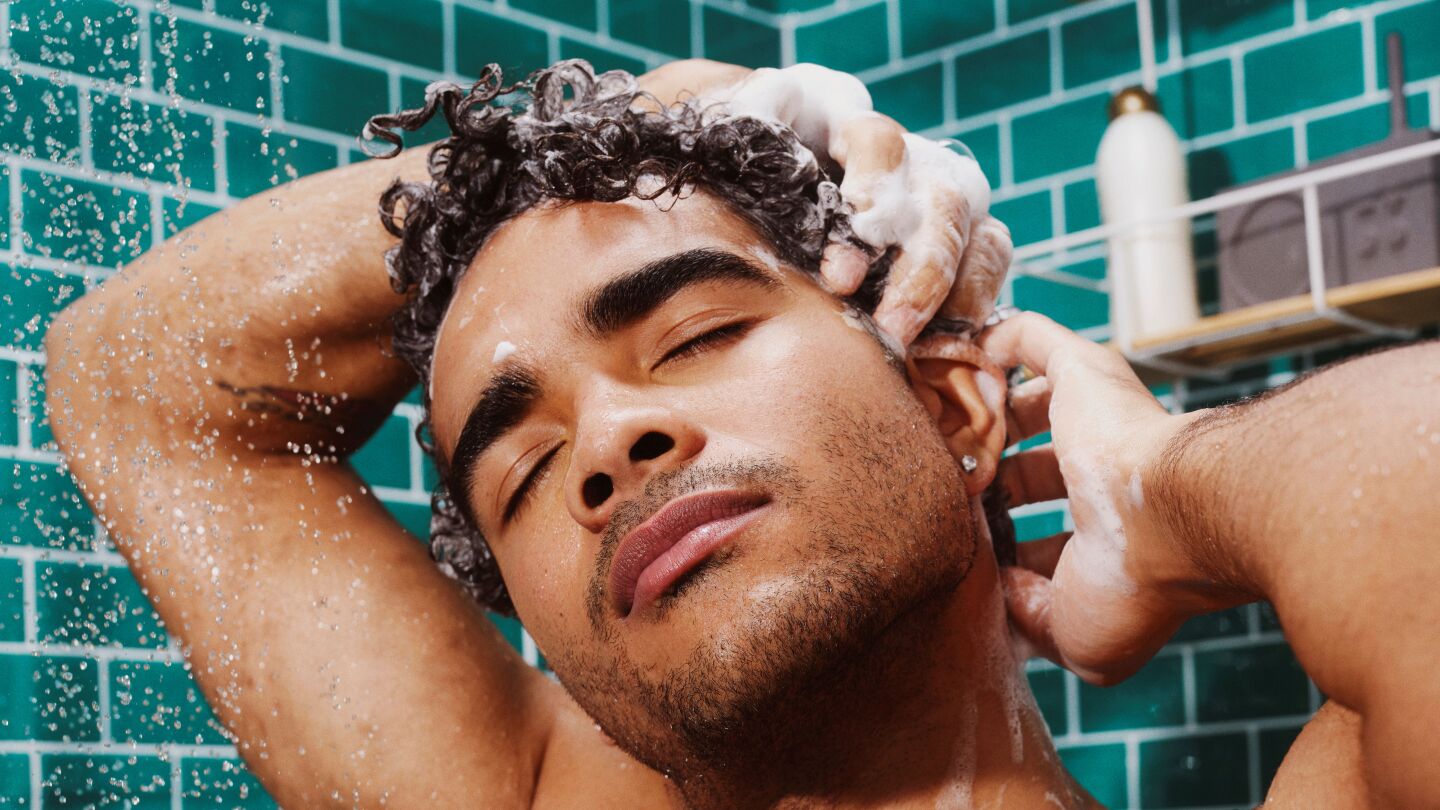
- Massage with fingertips for 60 seconds. Skip nails. You want stimulation, not micro-scratches.
- Condition strategically. Apply conditioner from mid-length to ends, then comb through gently. If your scalp is dry, a light scalp conditioner is okay, but avoid heavy oils right at the roots if you’re prone to buildup.
- Dry with less friction. Blot with a microfiber towel or soft T-shirt. Rough towel rubbing is breakage fuel.
One more advice I’ll stand by: don’t “save” shampoo by using too little. Under-cleansing leads to repeated washing, extra friction, and more tangles. Use enough product to distribute easily, especially with thicker hair.
Product categories that often rank as “best shampoo for growing hair” (and who they’re for)
Instead of chasing one viral bottle, choose the category that matches your goal. These are the types most consistently recommended across dermatology and hair-care literature for growth-supportive routines.
1) Anti-dandruff shampoos with ketoconazole or zinc pyrithione
Best for: flakes, itch, oily scalp, and shedding linked to inflammation. Use 2 to 3 times weekly, alternating with a gentle shampoo if dryness occurs.
2) Gentle strengthening shampoos for breakage-prone hair
Best for: anyone who says, “My hair grows, but it never gets longer.” Pair with a conditioner that adds slip. You’re aiming for fewer snapped ends and less mid-shaft breakage.
3) Clarifying shampoos (used occasionally)
Best for: heavy stylers, hard water buildup, swimmers, and dry shampoo fans. Use weekly or biweekly, then follow with a deep conditioner on lengths.
4) Sensitive-scalp, fragrance-free shampoos
Best for: redness, burning, tightness, or frequent itching. If your scalp calms down, shedding often improves simply because you stop inflaming the skin.
And yes, sometimes the “best” shampoo is the one you can use consistently without irritation. Consistency beats intensity in scalp care.
When shampoo isn’t enough: smart next steps for faster results
If you’ve optimized your shampoo and routine for a month and still see excessive shedding, consider adding a leave-on strategy and getting clarity on the cause.
- Consider proven treatments like topical minoxidil if appropriate, and discuss options with a dermatologist. The AAD overview of minoxidil explains what it does and what to expect.
- Check common internal factors: iron deficiency, thyroid issues, recent illness, major stress, postpartum changes, and restrictive dieting can all trigger shedding.
- Audit your breakage triggers: tight ponytails, frequent bleaching, and high heat often do more damage than any shampoo can fix.
If you want one quick self-check: look at your shed hairs. If many have a small white bulb at the end, that’s shedding from the root. If you see lots of short snapped pieces without a bulb, that’s breakage, and your “growth” plan should focus on gentler care and strengthening.
Bottom line: the best shampoo for growing hair is the one that keeps your scalp calm and clean while protecting your lengths from breakage.
Conclusion: Pick a shampoo category that matches your scalp, use it with the right technique for 4 weeks, and track comfort and breakage, not hype. If shedding is heavy or persistent, book a dermatology visit and bring your routine notes so you can get targeted help faster.

weapons and military expert