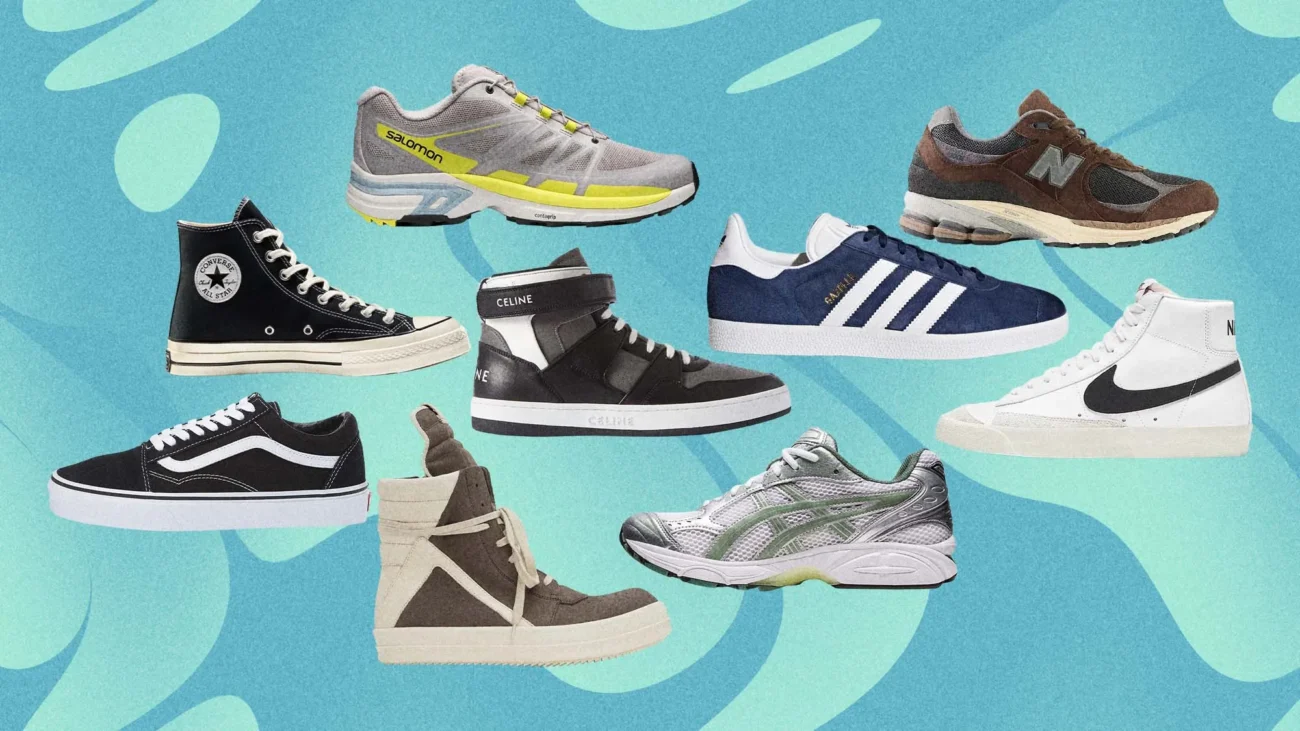
Buying shoes sounds simple until you try to find a pair that feels great at 8 a.m. and still behaves at 8 p.m. The market is crowded with hype drops, influencer collabs, and “all day comfort” promises that sometimes collapse after a few weeks of wear. The real problem is that “best” depends on purpose: running shoes aren’t built like dress shoes, and a hardwearing work boot has different priorities than a sneaker meant to turn heads. This guide cuts through the noise with an expert, practical look at the best brands for shoes, organized by what they do well and why. You will learn which labels consistently deliver fit, durability, and support, plus how to choose based on your feet, your lifestyle, and your budget.
Table of Contents
How “best” is decided: fit, materials, and long-term value
If you want a shortlist that holds up beyond trends, judge brands by the boring stuff: construction, consistency, and the ability to match the right shoe to the right job. Fit is the top variable. A brand can be objectively well-made and still wrong for you if the last shape does not match your foot. Whenever possible, try on late in the day (feet swell) and compare widths, not just lengths. Many serious brands also publish sizing guidance and width offerings, which is a quiet signal they care about real-world feet.
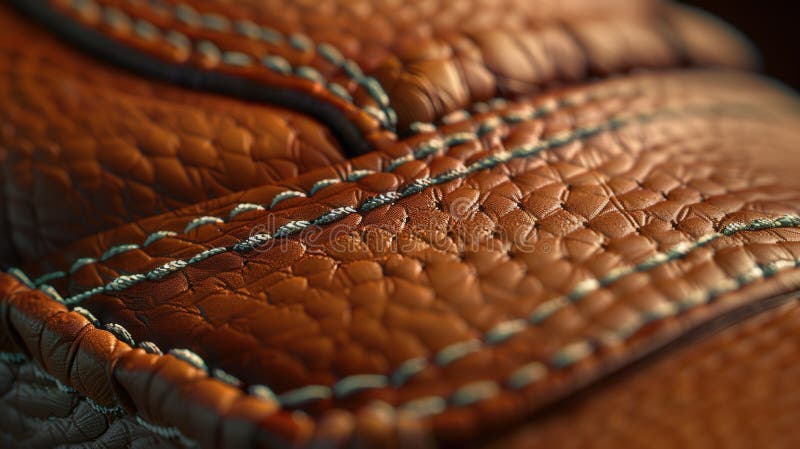
Materials are next. Full-grain leather tends to age better than corrected leather. Dense rubber outsoles generally outlast soft blown rubber, though softer compounds can feel smoother underfoot. For athletic shoes, midsole foams, stabilizing elements, and upper structure matter more than stitching. It helps to learn the basics of what makes footwear last. For a clear primer on shoe quality markers, Heddels has accessible guides on leather, construction, and what to look for in well-made footwear.
Finally, consider long-term value. Some brands cost more up front but can be resoled, repaired, and worn for years. Others are designed as high-performance tools with a lifespan measured in training cycles. Neither is “better” universally, but it is smart to buy intentionally.
- Best for longevity: Goodyear welted or stitchdown boots and dress shoes you can resole.
- Best for performance: Running and training shoes tuned for cushioning, stability, and weight.
- Best for versatility: Clean sneakers and casual shoes that work with multiple outfits.
Best shoe brands for running and athletic performance
Running shoes are where brand R&D becomes obvious. The right shoe can reduce fatigue and help you stay consistent; the wrong one can irritate knees, shins, or plantar fascia. The brands below earn their reputations through fit options, purposeful cushioning, and models that are easy to match to gait and training style. If you want evidence-based guidance on shoe selection and injury myths, the Runner’s World gear section is a solid reference for model breakdowns and testing notes.
Nike remains a powerhouse for racing and speedwork, especially if you like responsive cushioning and a “pop” in the ride. Their higher-end running lines tend to prioritize lightweight uppers and energetic foams, but fit can be narrow in some models, so try before you commit.
Adidas is a strong pick if you want a stable, balanced feel with durability. Many Adidas trainers have a planted ride that works well for daily miles and gym crossovers, and they often nail the mix of cushioning and ground contact.
ASICS is a go-to for runners who want structure and reliability. Their stability-oriented options have a loyal following, and their neutral daily trainers are consistent year to year, which matters if you hate re-learning a new shoe every season.
Brooks is famous for comfort-first daily trainers. If you want a shoe that disappears on the foot and just gets the job done, Brooks is frequently a safe bet, especially for easy runs and long walks.
New Balance shines with width availability and an unusually broad range of fits. If you have wide feet, high-volume feet, or simply want choices, this is one of the most practical brands to start with.
HOKA built its name on max-cushion comfort and a smooth rocker geometry. Great for long runs, recovery days, and anyone who wants softness without feeling unstable, though some people prefer a lower stack for agility.
Saucony offers well-rounded trainers and surprisingly fun, lively models that perform above their price point. If you want performance without always paying flagship pricing, they are worth a serious look.
On sits in a style-performance sweet spot, with a distinctive underfoot feel and clean design language. They work well for people who like a firmer, snappier ride and want a shoe that looks sharp off the track too.

Best shoe brands for everyday sneakers and lifestyle wear
Everyday shoes are deceptively difficult. You need comfort, but also a silhouette that works with your wardrobe. You want durability, but also a light feel. And if you walk a lot, outsole traction and midsole resilience become non-negotiable. These brands consistently hit the lifestyle brief while still respecting your feet.
Vans is iconic for skate style and simple, flat profiles. They look great, but if you walk all day, consider versions with upgraded insoles or add your own, because classic vulcanized models can feel thin underfoot.
Converse (Chuck Taylor) is a cultural staple. The minimalist construction makes it easy to style, but it is not the most supportive. Treat it like a fashion sneaker, not a walking workhorse.
Nike and Adidas dominate lifestyle sneakers too, from retro runners to modern minimal designs. Tip: choose models with a thicker, more supportive midsole if you are commuting on foot.
New Balance has become the quiet favorite for “dad shoe” comfort that actually performs. Many pairs blend plush cushioning, stable platforms, and easy outfits, especially for travel days.
ECCO is underrated for people who want sneaker comfort with a more refined look. Their leather quality and ergonomics are often excellent, making them a strong option for smart casual offices.
Veja appeals to shoppers who care about materials sourcing and a clean aesthetic. If you like a crisp, minimal tennis-shoe profile, Veja is worth considering, especially for casual rotation.
For deeper context on materials and sustainability claims, it helps to cross-check brand statements with independent reporting. The Good On You directory is a useful starting point for exploring fashion sustainability ratings and reading why a brand scores the way it does.
Best shoe brands for boots and dress shoes that last
If you want shoes that can handle years of wear, this is where construction matters most. Look for resolable builds (Goodyear welt or stitchdown), quality leather, and reputable repair ecosystems. A well-made boot or dress shoe often gets better with time, molding to your foot and developing character instead of collapsing.
Allen Edmonds is a classic American dress shoe name, known for resolable construction and a wide range of sizes. When you find the right last, the value can be excellent, especially if you catch sales.
Meermin offers strong value in welted dress shoes and boots. They are often recommended to people who want to step up from mall shoes into real construction without jumping straight to luxury pricing.
Church’s and Crockett & Jones sit in the heritage, high-quality tier. Expect refined lasts, excellent finishing, and longevity if cared for properly.
Red Wing is a benchmark for rugged heritage boots. Their leathers are tough, their patterns are proven, and with basic care, they can last a long time. Great for casual wear with real durability.
Thorogood is frequently praised for work boots, especially for people who spend long hours standing. Comfort out of the box and dependable construction are the main draws.
Timberland is more mass-market, but certain models remain reliable for casual boots, weather-ready wear, and easy styling. Choose carefully within the lineup, because quality can vary by model.
Want to go deeper on construction and resoling? The educational resources at the Shoe Service Institute of America can help you understand repairs and what a good cobbler can do to extend the life of quality footwear.
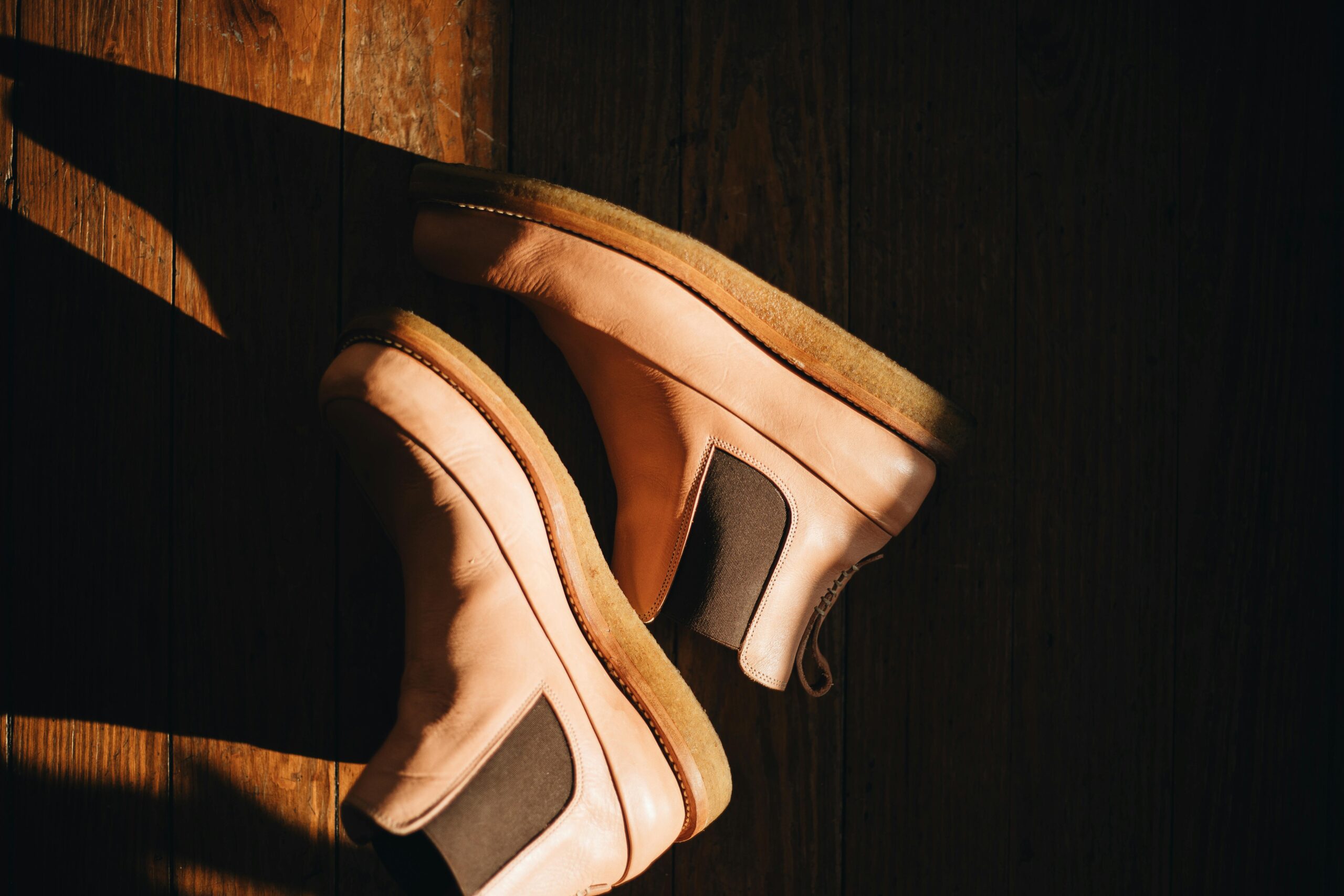
Best shoe brands for comfort, walking, and foot support
If your priority is pain-free walking, look at brands that design around anatomy rather than just aesthetics. Comfort is not only “softness.” You want a stable platform, a supportive heel counter, and a shape that does not crush toes. If you use orthotics, focus on removable insoles and enough depth to avoid pressure on the top of your foot.
Birkenstock is famous for footbed support and long-wearing sandals and clogs. Give them a break-in period, and they can become some of the most comfortable shoes in your rotation.
Clarks is a dependable choice for casual comfort and office-friendly shoes. Their best models blend cushioning with straightforward styling, making them easy to wear daily.
Skechers is often a practical pick for walking, especially if you want plush cushioning at reasonable prices. Focus on supportive lines, not just the softest foam.
Dansko is popular in professions that involve standing all day. Their clogs and supportive designs can be a lifesaver if you need stability, though the higher platform can take adjustment.
HOKA also deserves a second mention here because many people use their maximal cushioning for walking, travel, and recovery from foot soreness.
If you have persistent pain, treat shoes as part of a plan, not a gamble. For general foot-health education and when to seek professional help, the American Podiatric Medical Association offers consumer resources that are easy to understand.
Smart shopping tips: how to choose your brand without guessing
The fastest way to land on the right brand is to start from your use case, then narrow by fit. Decide what you actually do in your shoes for most of the week, not what you imagine you will do. Then use a simple filter: toe room, heel lockdown, and midfoot support. If any of those fail in the fitting, do not “break them in” with hope.
Advice I give friends: buy one great pair for your most frequent activity, then add a second pair that solves a different problem. Rotation also helps shoes dry out and can extend life, especially for leather and daily trainers
Final note: Pick one category from this guide and try two brands side by side this week. Your feet will tell you the truth fast, so use that feedback, commit to the pair that fits cleanly, and start building a shoe lineup that actually works for your life.

Writer with a background in ergonomics. Enjoys reviewing and discussing home furniture & clothing , that’s comfortable and supportive for the entire family.