Great hair days are rarely an accident. Most guys juggle scalp oil, sweat from workouts, styling products, hard water, and stress, then wonder why their hair looks flat by noon or their scalp feels itchy at night. The fix is not “more shampoo” or a random bottle with a cool label.
It is matching the formula to your scalp and hair type, understanding what ingredients actually do, and washing in a way that supports your barrier instead of stripping it. This guide breaks down how to choose the best men shampoo based on evidence from dermatology guidance and ingredient science, plus practical routines you can actually stick to. You will also learn when to upgrade to anti dandruff actives, when to clarify, and how to avoid common mistakes that quietly sabotage results.
Table of Contents
What “best men shampoo” really means: match the shampoo to your scalp
Shampoo is skincare for your scalp. Hair strands are “dead” fiber, but the scalp is living tissue that can get oily, dry, inflamed, or flaky. When guys say they need the best men shampoo, they usually mean one of four goals: reduce oil, calm itch and flakes, protect thinning hair, or keep hair clean without frizz and dryness.
Start by figuring out your scalp type:
- Oily scalp: hair looks greasy fast, especially at the roots. You may feel buildup from waxes or pomades.
- Dry or sensitive scalp: tightness, itch, redness, or flaking that gets worse after washing.
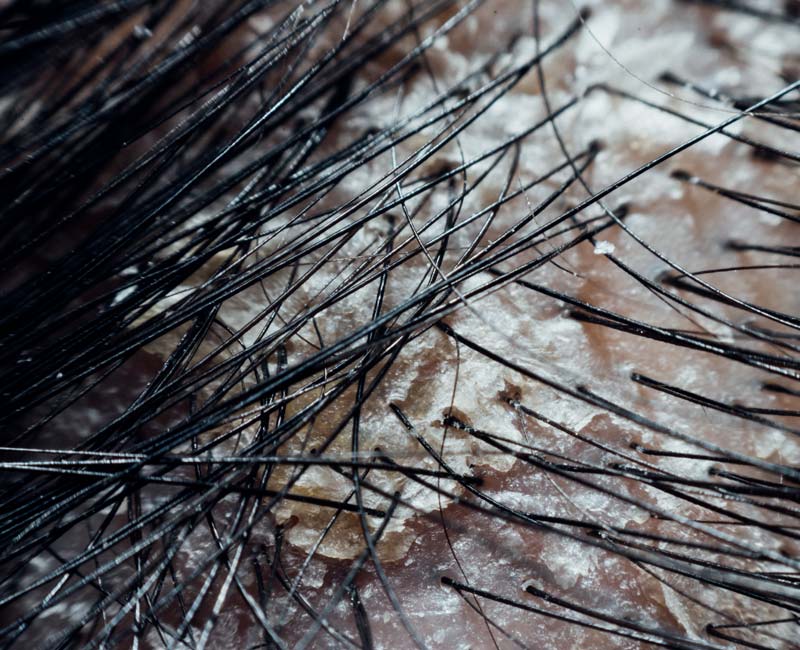
- Dandruff (seborrheic dermatitis): persistent flakes, scalp irritation, sometimes oily scales. Often waxes and stress make it worse.
- Normal scalp: no major itch or flakes, oil appears after 1 to 2 days. Most “daily” shampoos work here.
The “best” shampoo is the one that cleans effectively while leaving your scalp comfortable for the full day. Dermatology groups emphasize that dandruff is common and treatable with medicated ingredients, not just extra scrubbing. For a baseline overview of dandruff and seborrheic dermatitis, see the American Academy of Dermatology’s dandruff guidance.
Also consider hair texture and styling habits. Short hair tolerates stronger cleansing because ends are newer and you usually use less heat. Medium to long hair benefits from gentler surfactants, conditioning agents, and a routine that protects the ends. If you use heavy styling products, you may need a periodic clarifier even if your scalp is dry.
Ingredients that actually matter (and what to ignore)
Marketing loves vague claims like “energizing” or “for men,” but the real difference is in surfactants, conditioning agents, and targeted actives. If you read one thing on the label, read the active ingredient section when present.
Cleansers (surfactants): the backbone of any shampoo
Surfactants lift oil and product residue so water can rinse it away. Stronger cleansers can feel “squeaky clean” but may worsen dryness or irritation if you overuse them. Many modern shampoos blend stronger surfactants with gentler ones to balance performance and comfort.
Tip: If your scalp feels tight or itchy right after rinsing, your cleanser is likely too aggressive for your frequency of washing. Reduce frequency or switch to a milder formula.
Anti dandruff actives: when flakes are more than “dry scalp”
Persistent flakes with itch often respond best to medicated ingredients. Common evidence-backed options include:
- Ketoconazole: antifungal active used for dandruff and seborrheic dermatitis.
- Selenium sulfide: reduces yeast and helps control flaking.
- Zinc pyrithione: antimicrobial and anti dandruff active (availability varies by region and product type).
- Salicylic acid: keratolytic, helps lift scale and buildup, useful when flakes stick to the scalp.
- Coal tar: slows skin cell turnover and can help stubborn scaling, but has a distinct scent and can stain fabrics.
For a science-forward overview of anti dandruff shampoo actives and how they are used clinically, the NCBI’s StatPearls entry on seborrheic dermatitis is a solid reference.
How to use medicated shampoo correctly: work it into the scalp (not just the hair), then let it sit for 3 to 5 minutes before rinsing. Many guys rinse immediately and then claim it “doesn’t work.” Use it 2 to 3 times per week at first, alternating with a gentle shampoo. Once controlled, maintain 1 time weekly or as needed.
Moisturizers and conditioners: not just for long hair
Conditioning ingredients reduce friction, improve shine, and help hair look thicker because strands lie in a smoother pattern. Look for ingredients like glycerin, panthenol, and conditioning polymers. If your hair gets frizzy after washing, you likely need more conditioning, not less.
Thinning hair: what shampoo can and cannot do
Shampoo cannot reverse genetic hair loss by itself, but it can improve scalp comfort, reduce inflammation from dandruff, and make hair look fuller by reducing oil and residue. If thinning is a concern, treat scalp issues first. Chronic dandruff or irritation can make hair look worse and feel weaker.
For evidence-based hair loss treatment options beyond shampoo, the American Academy of Dermatology overview on androgenetic alopecia explains what is proven, what is not, and when to see a dermatologist.
Pick the right shampoo by goal: practical “best men shampoo” playbook
1) Best for oily scalp and product buildup
If your hair looks greasy within hours, you want effective cleansing and occasional deep cleaning. Choose a daily shampoo that rinses clean and does not leave heavy conditioners on the scalp. Then add a clarifying shampoo 1 time per week or every other week if you use pomade, clay, or hairspray.
Pro tip: Focus shampoo on the scalp. Let the foam run through the lengths during rinsing. This cleans without overdrying the ends.
2) Best for dry, itchy, or sensitive scalp
Dry scalp is often worsened by harsh detergents, very hot showers, and over-washing. Look for a gentle shampoo with moisturizing ingredients and minimal fragrance. If your scalp is irritated, think “barrier support,” not “more scrubbing.”
Pro tip: Try washing every other day for two weeks and keep shower water warm, not hot. If itch improves quickly, your routine was the problem.
3) Best for dandruff and recurring flakes
When flakes keep coming back, rotate in a medicated anti dandruff shampoo with ketoconazole, selenium sulfide, salicylic acid, or coal tar. Use it consistently for at least 2 to 4 weeks. Many people stop as soon as flakes improve, then relapse. Maintenance is the secret sauce.
Pro tip: Apply to scalp first, then massage with fingertips (not nails). Leave on for a few minutes. Rinse thoroughly. Follow with conditioner on the mid-lengths and ends only if hair feels dry.
4) Best for gym guys: sweat, odor, and frequent washing
If you train daily, you may need to rinse often, but you do not need a harsh shampoo daily. Use a gentle cleanser most days and a stronger cleanser once or twice weekly. Sweat itself is water-soluble; it is the oil and product film that needs more surfactant.
5) Best for curly, wavy, or longer hair
Texture needs slip. Choose a shampoo that does not leave hair squeaky. Add conditioner regularly. Curly hair benefits from fewer harsh cleansers and more conditioning agents to reduce frizz and breakage.

How to wash for maximum results (most guys do this wrong)
The “best men shampoo” will still disappoint if the method is off. Use this simple routine:
- Wet hair fully for 30 to 60 seconds. Shampoo works better on saturated hair.
- Use the right amount: a nickel-sized dollop for short hair, a quarter-sized for medium. More is not cleaner, it is just harder to rinse.
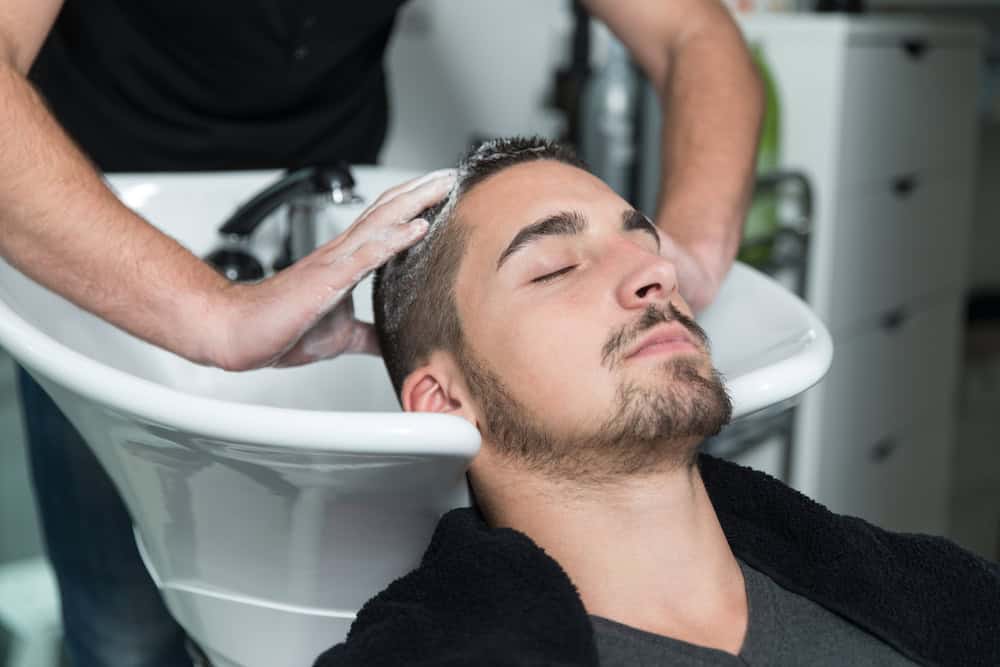
- Massage the scalp with fingertips for 20 to 30 seconds. Think scalp, not hair length.
- Let medicated shampoos sit 3 to 5 minutes before rinsing.
- Rinse longer than you think, especially if you use thick conditioners or styling products.
- Condition strategically: apply conditioner to mid-lengths and ends, not the scalp, unless the product is designed for scalp use.
Common mistakes that quietly cause issues:
- Scratching with nails, which can inflame the scalp and worsen flakes.
- Switching products every few days, which prevents you from seeing what is working. Give it 2 weeks.
- Using a medicated shampoo like regular shampoo and rinsing immediately.
- Ignoring water hardness: if you see dullness and residue, a monthly clarifier can help.
If you have severe redness, thick scale, patchy hair loss, or scalp pain, skip self-experimentation and talk to a dermatologist. Some conditions mimic dandruff but need different treatment.
Simple routines by scenario (copy, paste, and follow)
Routine A: oily scalp + styling product
Daily: gentle cleansing shampoo.
Weekly: clarifying shampoo once.
Optional: lightweight conditioner on ends if hair feels dry.
Routine B: dandruff
2 to 3x/week: medicated anti dandruff shampoo, leave on 3 to 5 minutes.
Other days: gentle shampoo.
Maintain: medicated shampoo 1x/week after symptoms improve.
Routine C: dry or sensitive scalp
Every other day: gentle, moisturizing shampoo.
After: conditioner on ends.
Adjust: if flakes persist and are greasy, switch to Routine B because it may be dandruff, not dryness.
Want to sanity-check ingredients? The INCIDecoder ingredient database can help you understand what those long names in the label actually do.
Bottom line: The best men shampoo is the one that fits your scalp type, uses proven actives when needed, and works with a routine you can repeat. Pick a lane, follow it for two weeks, then adjust based on comfort and results.
Conclusion: Choose one shampoo that matches your scalp goal, use it with the right technique, and give it time to work. If flakes or irritation keep returning, upgrade to a medicated option and follow the contact time. Start today: check your scalp type, read the active ingredients, and commit to a 14-day routine to see real change.

weapons and military expert