Nothing ruins a good hair day quite like waking up to roots that look flat, oily, and oddly “lived-in” in the worst way. You can try to stretch your wash schedule for scalp health, color longevity, or just pure time-saving, but by day two (or three), your hair often stops cooperating.
Dry shampoo is the quick fix we all want: instant lift, cleaner-looking roots, and that “I totally planned this” texture. The problem is that not every formula plays nice with your scalp, your hair color, or your budget. Some leave a chalky cast, others feel sticky, and a few are basically perfume in a can.
This guide breaks down what actually makes the best drugstore dry shampoo worth buying, how to choose by hair type and shade, and how to use it like a pro so it looks invisible and feels comfortable.
Table of Contents
What “best drugstore dry shampoo” really means (ingredients, feel, and finish)
At the drugstore level, great dry shampoos rely on the same core idea: powders absorb oil at the scalp so hair looks fresher. The difference between “okay” and “wow” is how that powder is delivered, how it wears over the day, and how easily it brushes out.
Most aerosol formulas use starches (often rice or corn) plus a propellant to spread a fine mist. Non-aerosol powders can be even more absorbent but take more skill to distribute. If you’re sensitive to fragrance, check labeling carefully; many top sellers are heavily scented.
Here’s what to pay attention to when scanning the can:
- Oil absorbers: rice starch, corn starch, tapioca, or clays. These do the real work.
- Residue level: “invisible” claims are helpful but not guaranteed. Dark hair often needs tinted options or extra brushing.
- Scalp comfort: if you get itchiness, look for simpler formulas and lighter fragrance. Consider non-aerosol options too.
- Texture and hold: some act like styling sprays, adding grit and volume. Great for fine hair, less fun for very dry ends.
- Build-up behavior: the best ones refresh without turning roots stiff by noon.
For a reality check on how aerosol dry shampoos work and what common ingredients do, the American Academy of Dermatology’s dry shampoo guidance is a solid, practical overview. If you’re also curious about ingredient safety and what’s in your can, EWG’s Skin Deep database can help you look up specific products.
Top drugstore dry shampoo picks by hair type and shade
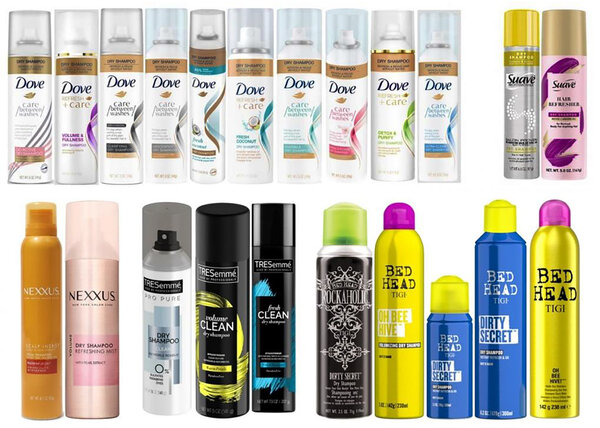
Instead of crowning one universal winner, it’s smarter (and more accurate) to match the product to your hair’s oil level, density, and color. These are widely available U.S. drugstore staples that consistently show up in editor testing and user reviews, and they map well to the most common needs.
1) For oily roots that need serious absorption
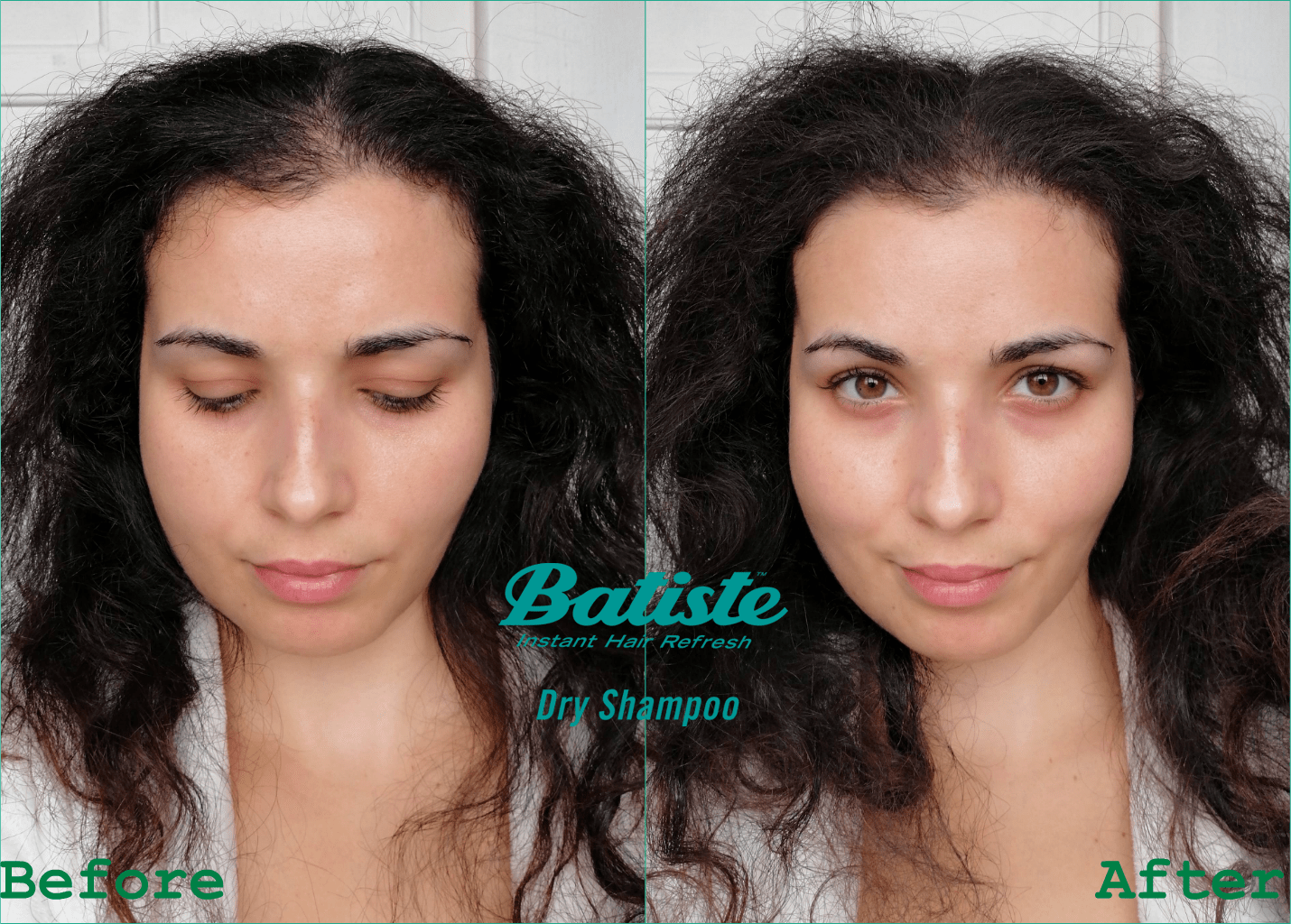
Batiste Original Dry Shampoo is the classic for a reason: it absorbs fast, adds volume, and gives that clean-ish feel quickly. The tradeoff is that it can leave a visible powdery cast if you spray too close or don’t brush thoroughly, especially on dark hair. Use it with a light hand and give it time to sit before you massage.
If you want a similar oil-busting effect with a bit more modern finish, Dove Care Between Washes tends to feel softer at the roots and is often easier to blend. It’s a good “office friendly” option when you don’t want aggressive texture.
2) For dark hair (less white cast, more believable finish)
Dark hair looks incredible after dry shampoo, right up until you see the gray haze around your part. Tinted versions help, but application still matters.
Batiste Divine Dark is popular for brunettes because the tint reduces the obvious powder look. Apply sparingly and wash your hands after working it in to avoid transferring pigment to fingers or hairline.
Another approach is choosing an “invisible” formula and applying correctly. Many people have good luck with Not Your Mother’s Clean Freak because it can blend well when used in smaller bursts and brushed through.
3) For fine hair that needs lift, not grit overload
Fine hair usually wants the look of volume without the crunchy feel. A lighter mist, better distribution, and less product overall is key.
Herbal Essences Bio:Renew Dry Shampoo often hits a sweet spot: airy refresh plus some root lift, without instantly turning hair into a stiff helmet. It’s also a good candidate if you dislike the “powder wig” texture some ultra-absorbent sprays create.
4) For sensitive scalps or fragrance fatigue
If your scalp gets itchy easily, you’re not imagining it. Fragrance, heavy build-up, and frequent reapplication can be irritating. Try to reduce how much you use, focus on the oiliest zones only, and avoid coating the entire scalp.
Kristin Ess Style Reviving Dry Shampoo is often praised for a more refined feel and less harsh grit, though it still has fragrance. If you want to go even gentler, consider a non-aerosol powder style product (availability varies by store), and apply with a fluffy brush for more control.
5) For textured, curly, or coily hair (refresh without dryness)
Textured hair can benefit from dry shampoo, but overuse can make roots feel dry and tangly. Focus on the scalp only, and avoid rough towel-like rubbing.
Look for formulas that refresh without aggressive “grip.” Many curl-wearers prefer using less product plus a targeted technique, then reviving definition with a light mist of water on mid-lengths (not the scalp). If you use dry shampoo often with curls, pair it with a real wash schedule to avoid dullness and buildup.

How to use dry shampoo so it looks clean (not chalky) and lasts longer
The biggest reason people hate dry shampoo is application. Most issues (white cast, stiff roots, weird patches) come from spraying too close, using too much, and massaging immediately.
Try this method, which stylists use because it makes drugstore formulas perform like premium ones:
- Start on dry hair only. If your scalp is damp from sweat, blot first and let it air dry a minute. Dry shampoo plus moisture can turn pasty.
- Section strategically. Part where you look oily: crown, temples, nape. Don’t blanket the whole head.
- Hold the can 8 to 12 inches away. Close spraying is the fastest route to visible residue.
- Spray in short bursts. Two to three quick sprays per section is usually enough.
- Wait 30 to 90 seconds. Let the powders absorb oil before you touch anything.
- Massage gently with fingertips. Think “scalp scrub,” not “tangle-making chaos.”
- Brush or blow-dry on cool. A brush distributes product; a cool shot breaks up excess and adds lift.
Pro tip: apply dry shampoo before your hair looks greasy. A light application at night can absorb oil as it forms and can look more natural by morning. If you’re concerned about scalp health, the AAD’s advice on washing frequency is a useful baseline for balancing cleanliness and hair needs.
Common mistakes that make drugstore dry shampoo feel “cheap” (and how to fix them)
Even the best drugstore dry shampoo can flop if a few details are off. Here are the patterns that create that dusty, heavy, overly perfumed result people complain about.
Mistake: Spraying like it’s hairspray.
Fix: Target the scalp, not the lengths. Your ends don’t need oil absorption, they need softness.
Mistake: Piling on more when it looks white.
Fix: Pause and blend first. If you still need more after brushing, add a tiny amount at the exact oily spots.
Mistake: Relying on dry shampoo for days without resetting.
Fix: Product plus oil plus sweat equals buildup. Schedule real washes, and consider a clarifying shampoo occasionally if your hair starts feeling coated. If you use a lot of styling products, a periodic deep cleanse helps keep roots bouncy.
Mistake: Ignoring ventilation and inhalation.
Fix: Spray in a well-ventilated bathroom, aim away from your face, and don’t hold your breath forever. Basic, but it matters.
Mistake: Using the wrong finish for your style.
Fix: If you wear sleek hair, pick a lighter, “invisible” formula and use minimal product. If you love messy volume, a grittier one can be your friend.
How to choose the right one in 60 seconds at the store
If you’re staring at a wall of cans, make it simple. Choose based on your top priority:
- Maximum oil control: go for strong starch-based classics (often “volumizing” too).
- Least white cast: tinted for your shade, or “invisible” plus a brush-through plan.
- Soft touch: avoid “texture” heavy formulas if you hate grit.
- Sensitive scalp: lighter fragrance, less frequent use, and avoid over-spraying.
Also check can size and price per ounce. Some “cheap” cans are tiny, and the real value is in how many applications you get when you use it correctly (short bursts, proper distance, strategic sections).
Bottom line: the best drugstore dry shampoo is the one that matches your hair type and disappears after you blend it, while keeping your scalp comfortable.
Ready to upgrade your between-wash routine? Pick one formula that fits your hair needs, use the wait-and-blend technique, and take a quick before/after photo the first time. You’ll immediately see what works, and your future self will thank you on every rushed morning.

Writer with a background in ergonomics. Enjoys reviewing and discussing home furniture & clothing , that’s comfortable and supportive for the entire family.