
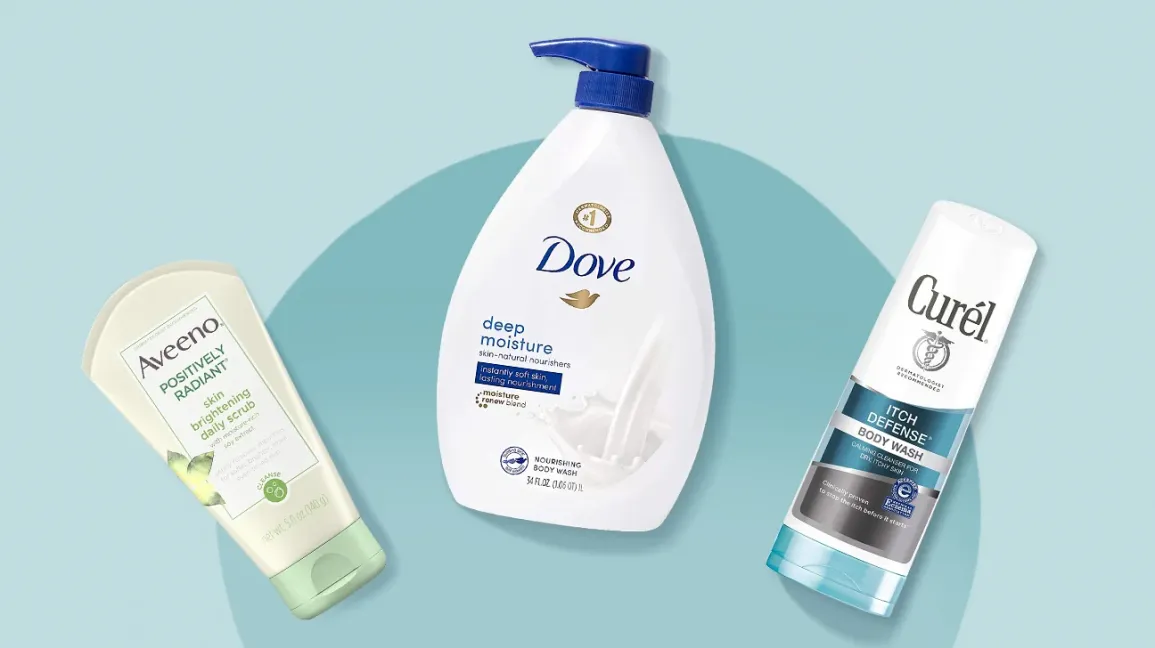
Sensitive skin can turn a simple shower into a daily gamble. One day your body wash feels fine; the next, your arms are itchy, your chest looks blotchy, and that “fresh” scent lingers like a warning label. The tricky part is that irritation is not always about being “allergic.” Often it’s the slow, cumulative effect of harsh surfactants, heavy fragrance, dye, or even “natural” essential oils that disrupt the skin barrier. Add hard water, hot showers, shaving, or eczema-prone patches and you get a perfect recipe for discomfort. The good news: choosing the best body wash for sensitive skin is less about trendy claims and more about smart ingredient logic, proven dermatologist guidance, and how the product behaves on your skin. Below you’ll find a practical, expert-led roadmap to pick a cleanser that calms, not punishes.
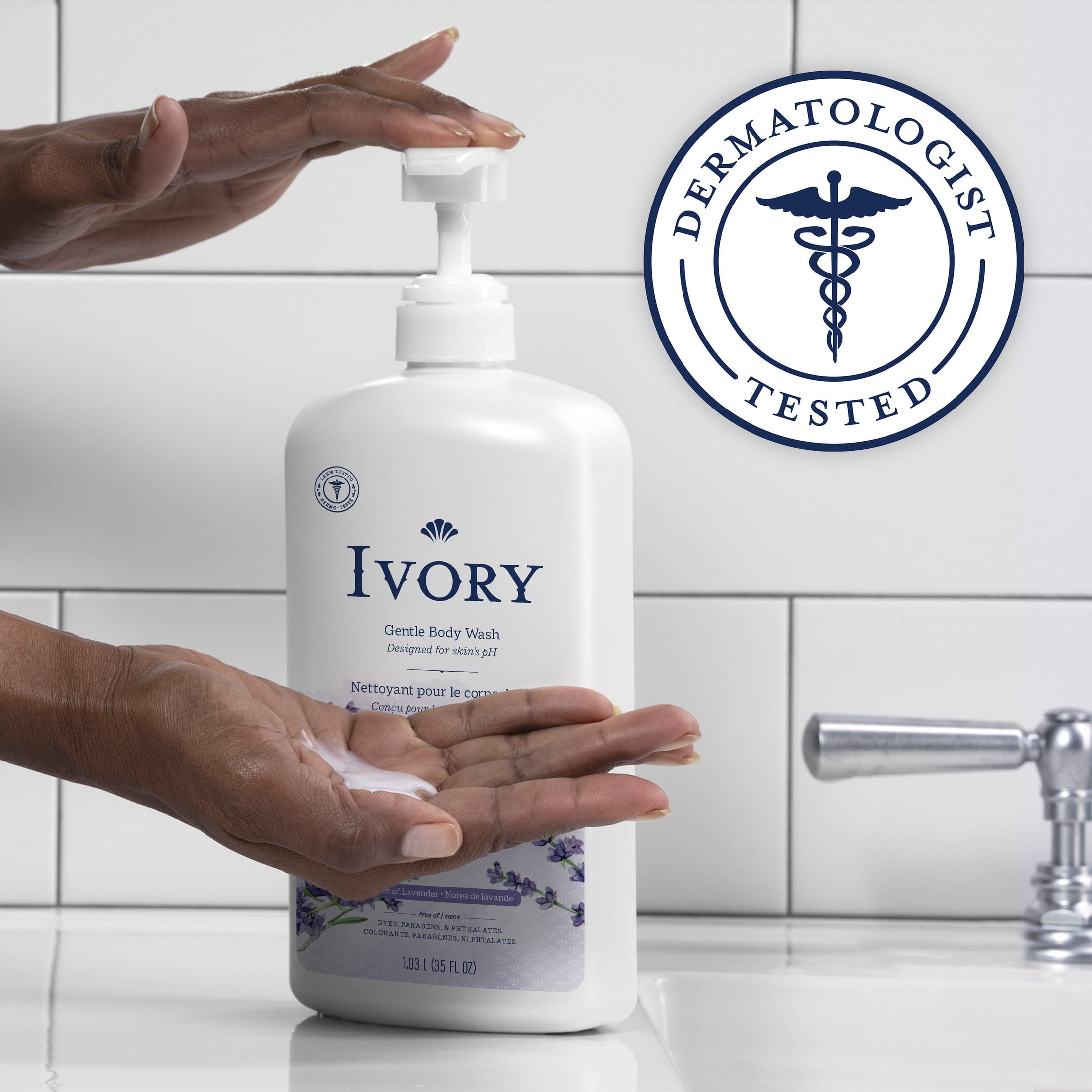
Table of Contents
What “Sensitive Skin” Really Needs From a Body Wash
Skin sensitivity usually comes down to barrier stress. Your outer layer, the stratum corneum, is supposed to keep water in and irritants out. When that barrier is compromised, even normal cleansing can sting. A great sensitive-skin body wash supports three goals: cleanse without stripping, minimize irritants, and leave the barrier in better shape than it found it.
1) Mild cleansing surfactants (the cleansers themselves)
Many classic foaming washes rely on stronger surfactants that can increase dryness and tightness for reactive skin. Instead, look for gentle surfactant systems. You don’t need to memorize every chemistry term, but it helps to know what typically performs well.
- Usually gentler: coco-glucoside, decyl glucoside, sodium cocoyl isethionate (SCI), sodium lauroyl sarcosinate, disodium laureth sulfosuccinate.
- Potentially drying for some: sodium lauryl sulfate (SLS). Sodium laureth sulfate (SLES) can be milder than SLS but may still bother very sensitive users depending on the formula.
2) Fragrance control (including “natural” fragrance)
Fragrance is a top reason people react to body products, and “botanical” does not automatically mean gentle. Essential oils like lavender, citrus, peppermint, tea tree, and eucalyptus can irritate or sensitize some skin types. If you’re troubleshooting, choose fragrance-free first. For reference, organizations like the American Academy of Dermatology consistently recommend fragrance-free options for sensitive skin routines.
3) Barrier-friendly extras
A cleanser can do more than “not harm.” Look for ingredients that help skin feel comfortable after rinsing:
- Humectants: glycerin, hyaluronic acid, panthenol (pro-vitamin B5) to pull water into the upper layers.
- Soothers: colloidal oatmeal, allantoin, bisabolol, aloe (some tolerate it well, but not everyone).
- Barrier lipids: ceramides, cholesterol, fatty acids. These are more common in facial cleansers, but some body washes include them too.
4) pH and rinse feel
Skin tends to prefer slightly acidic formulas. While labels rarely disclose pH, a “gentle,” “cream,” or “hydrating” body wash often correlates with a less stripping feel. Your best test is simple: after drying off, does your skin feel tight before you even moisturize? If yes, the cleanser may be too harsh for daily use.
How to Choose the Best Body Wash for Sensitive Skin (A Practical Checklist)
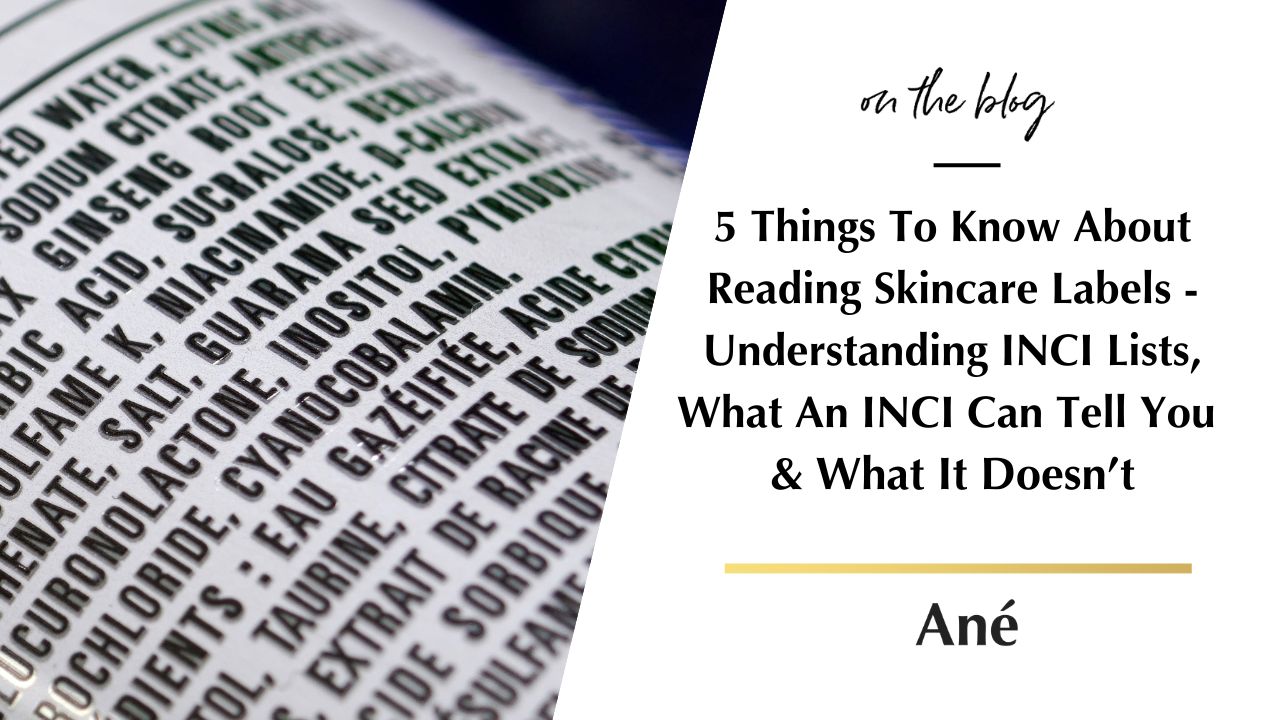
Ingredient lists can be intimidating, so use a short decision system. This is the approach dermatologists commonly recommend and it aligns with what irritant-contact dermatitis research and eczema-care guidance emphasize.
Step 1: Start with “fragrance-free,” not just “unscented.”
“Unscented” products can still contain masking fragrance. “Fragrance-free” is the clearer signal, though nothing is perfect. If you have known fragrance allergies, review labeling carefully and consider guidance from the National Eczema Association, which offers product-selection tips for eczema-prone skin.
Step 2: Avoid common “tingle” triggers.
If your skin is reactive, skip products that lean on:
- Menthol, camphor, peppermint oil (the “cooling” feeling can be irritation)
- Strong acids unless directed by a dermatologist (AHA/BHA body washes can be too much when your barrier is stressed)
- High levels of essential oils and botanical extracts if you’re flare-prone
Step 3: Match texture to your problem.
Not all sensitive skin is the same.
- Dry, itchy, flaky: choose a creamy, hydrating wash with glycerin and possibly colloidal oatmeal or ceramides.
- Body acne but sensitive: consider a gentle cleanser daily, and use an acne treatment wash only a few times weekly. Over-treating often backfires by inflaming the barrier.
- Eczema-prone: prioritize ultra-mild, fragrance-free washes and keep showers short. The National Eczema Society has practical emollient and cleansing advice that mirrors what many dermatology clinics recommend.
Step 4: Patch test like a pro (yes, for body wash too).
If you’ve had reactions before, test a new wash on a small area (inner forearm) for several days. Rinse as usual. If you see redness, bumps, burning, or prolonged itch, don’t try to “push through.” Sensitive skin rarely rewards persistence.
Step 5: Don’t ignore the shower variables.
Even the best body wash can fail if the routine is harsh. Keep water warm (not hot), limit shower time, and moisturize right after towel-drying. If you suspect hard water, consider a shower filter and see if itch improves over 2 to 3 weeks.

Ingredient Profiles That Tend to Work (and What to Watch For)
Rather than pushing a single “miracle” bottle, it’s smarter to choose by formula style. Below are profiles that repeatedly perform well for sensitive skin, based on dermatologist-facing guidance and what users with reactive skin typically tolerate.
1) Fragrance-free hydrating washes
These are your safest baseline. They usually combine mild surfactants plus glycerin, and sometimes barrier lipids. Ideal for daily use on dry or reactive skin. If you feel tightness after rinsing, step up to a richer “cream wash” texture.
2) Colloidal oatmeal body washes
Colloidal oatmeal is widely used for itch-prone, irritation-prone skin because it can soothe and support the barrier. If you are eczema-prone, this is often a high-value ingredient. Just keep the rest of the formula simple: fragrance-free, dye-free, no “spa” essential oils.
3) Baby washes (with caveats)
Many baby body washes are gentle, but not all are fragrance-free. If you borrow from the baby aisle, still read the label. Sensitive adult skin often does great with a bland baby cleanser, especially during flare periods.
4) Syndet bars and cleansing bars
A good syndet (synthetic detergent) bar can be less irritating than traditional soap because it’s formulated to be milder. This can be a smart swap if liquid body washes leave residue or if you want less packaging. Store it dry to avoid mush and bacterial buildup.
5) Antibacterial and deodorant washes (use sparingly)
If you’re using these for odor control, you might be over-stripping your microbiome and barrier. For sensitive skin, reserve them for specific needs and focus on gentle cleansing most days. If odor persists, consider talking to a clinician to rule out conditions like intertrigo or infections.
Watch-outs that commonly cause “mystery irritation”
- Fragrance and masking fragrance: the number one culprit.
- Dyes: not always a problem, but unnecessary for sensitive skin.
- Essential oils: can be sensitizing even when marketed as calming.
- Over-exfoliating body washes: scrubs and acids can amplify sensitivity, especially if you shave.
A quick note on “clean,” “natural,” and “dermatologist-tested” claims
These are marketing terms, not guarantees. A “natural” wash can still be loaded with fragrant oils. “Dermatologist-tested” often means it was tested, not that it was proven better for sensitive skin. Your best friend is the ingredient list and your skin’s feedback over 1 to 2 weeks of consistent use.
How to Use Body Wash for Sensitive Skin (So It Actually Helps)
Application matters. Sensitive skin often improves when you treat cleansing like a quick, gentle reset instead of a deep-clean mission.
- Use less product than you think: a small amount is enough. Over-lathering increases surfactant exposure.
- Use hands, not a rough loofah: abrasive tools can create micro-irritation and worsen itch.
- Clean “strategic zones” first: underarms, groin, feet. For arms and legs, a light pass is usually enough unless you’re visibly dirty.
- Rinse thoroughly: leftover cleanser can cause lingering itch.
- Moisturize immediately: within a few minutes of towel-drying, apply a fragrance-free cream or lotion to lock in water.
If you’re dealing with persistent rash, cracking, or intense itch, a body wash change may not be enough. Consider consulting a dermatologist to evaluate for eczema, contact dermatitis, psoriasis, or fungal issues. The right diagnosis saves you months of trial and error.
Bottom Line: The “Best” Body Wash Is the One Your Barrier Loves
The best body wash for sensitive skin is typically fragrance-free, built with mild surfactants, and supported by humectants or barrier ingredients that leave skin comfortable after rinsing. Choose a simple formula, patch test, keep showers warm and brief, and moisturize right away. Pick one gentle wash and use it consistently for two weeks before judging results. Your skin will tell you quickly when you’ve found the right match.
Ready to make showers feel good again? Check your current body wash for fragrance and harsh cleansers, swap to a fragrance-free hydrating formula, and commit to a calmer routine for 14 days. If irritation persists, book a dermatology consult and bring your product list with you.

Writer with a background in ergonomics. Enjoys reviewing and discussing home furniture & clothing , that’s comfortable and supportive for the entire family.
Related posts:
 Best Natural Cleansers: Gentle, Effective Skincare Essentials
 Best Foundations for Sensitive Skin: Gentle, Flawless Coverage Without Irritation
 Best Organic Lotions: Clean, Skin-Loving Hydration You’ll Want to Wear Daily
 Best Makeup Brush Cleaners: The Easy Way to Keep Your Brushes Fresh and Flawless