
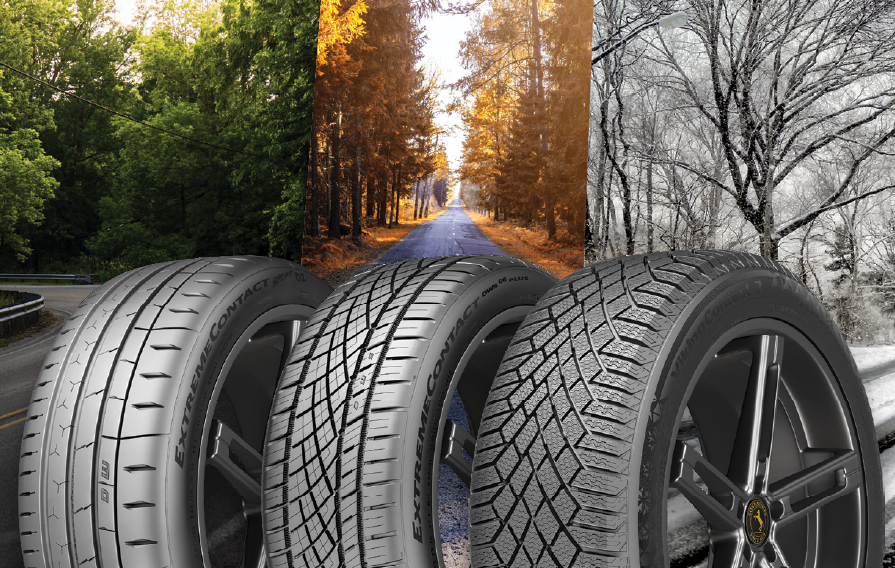
Shopping for tires sounds simple until you face the wall of choices: touring, all-season, winter, performance, EV-rated, run-flat, plus a dozen brands all claiming “best grip” and “longest life.”
The truth is that “best tires brands” depends on how and where you drive, what your vehicle needs, and what you value most: quiet comfort, wet braking, snow traction, or long tread life. Pick the wrong set and you may end up with noisy rides, uneven wear, or longer stopping distances when it matters. Pick the right set and your car feels calmer, safer, and more predictable in every season.
This guide synthesizes insights from independent testing, manufacturer specs, and standards data to help you choose brands with proven strengths, understand what those strengths mean, and narrow down the smartest options for your budget and driving style.
Table of Contents
What “Best” Really Means: How Tire Brands Earn Their Reputation
Before naming brands, it helps to define the yardsticks. Tire performance is measurable, and many reputable sources test the same sizes across multiple vehicles, then publish results you can compare. A brand’s reputation is usually built on consistency across these areas:
- Wet braking and hydroplaning resistance: One of the biggest real-world safety differentiators, especially for all-season tires.
- Dry handling and steering feel: Important for performance cars, but also for emergency maneuvers.
- Snow and ice traction: All-season is not winter, and “M+S” is not the same as a true winter or 3PMSF-rated tire.
- Tread life and even wear: Influenced by compound, construction, and your alignment and rotation habits.
- Noise, comfort, and rolling resistance: Crucial for daily drivers and EV owners chasing range and cabin quiet.
If you want a quick baseline, lean on independent labs and organizations. Tire Rack’s test results are especially useful because they combine instrumented testing with large-scale owner surveys. For safety context and tire basics (including replacement timing and reading tire codes), the NHTSA tire guidance is a solid reference. To confirm a tire’s age, learn to read the DOT date code via the U.S. Tire Manufacturers Association.
One more practical point: “best brand” does not rescue the wrong category. A top-tier summer tire can be dangerous in freezing weather. A winter tire can feel squirmy and wear fast in hot months. Start with the right type, then pick a strong brand within that type.

Best Tire Brands by Category: Who Tends to Win and Why
Different brands repeatedly show up near the top in third-party tests. Below are the names drivers most often consider “best,” plus what they’re typically best at. Think of this as a strengths map, not a one-size-fits-all ranking.
Premium all-season and touring: Michelin, Continental, Bridgestone
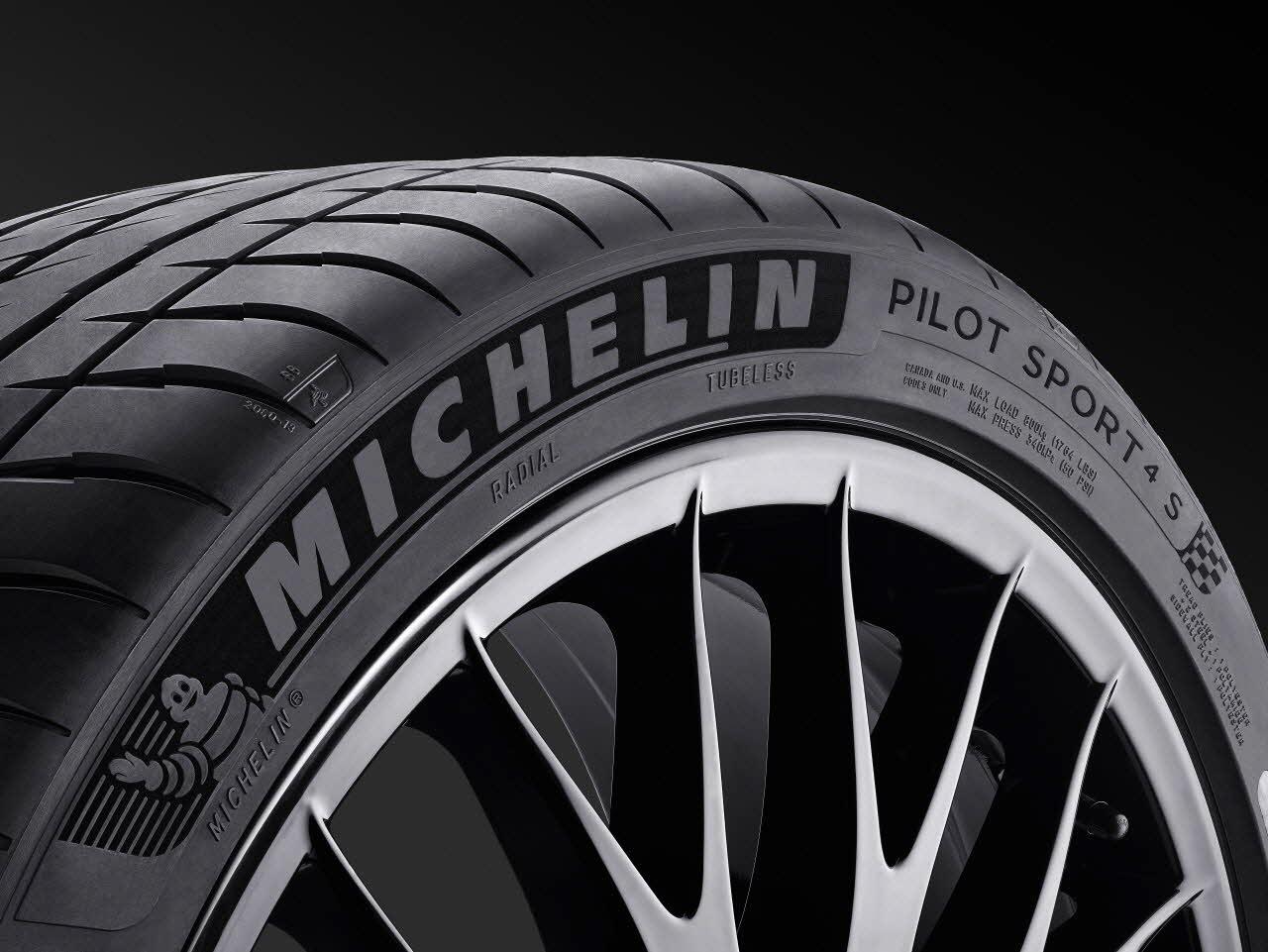
Michelin is famous for balancing long tread life with strong wet performance and refined ride quality. Many Michelin touring tires are quiet and stable at highway speeds, making them a common pick for sedans, crossovers, and premium daily drivers. If you rack up miles and want predictable behavior in rain, Michelin is a safe bet.
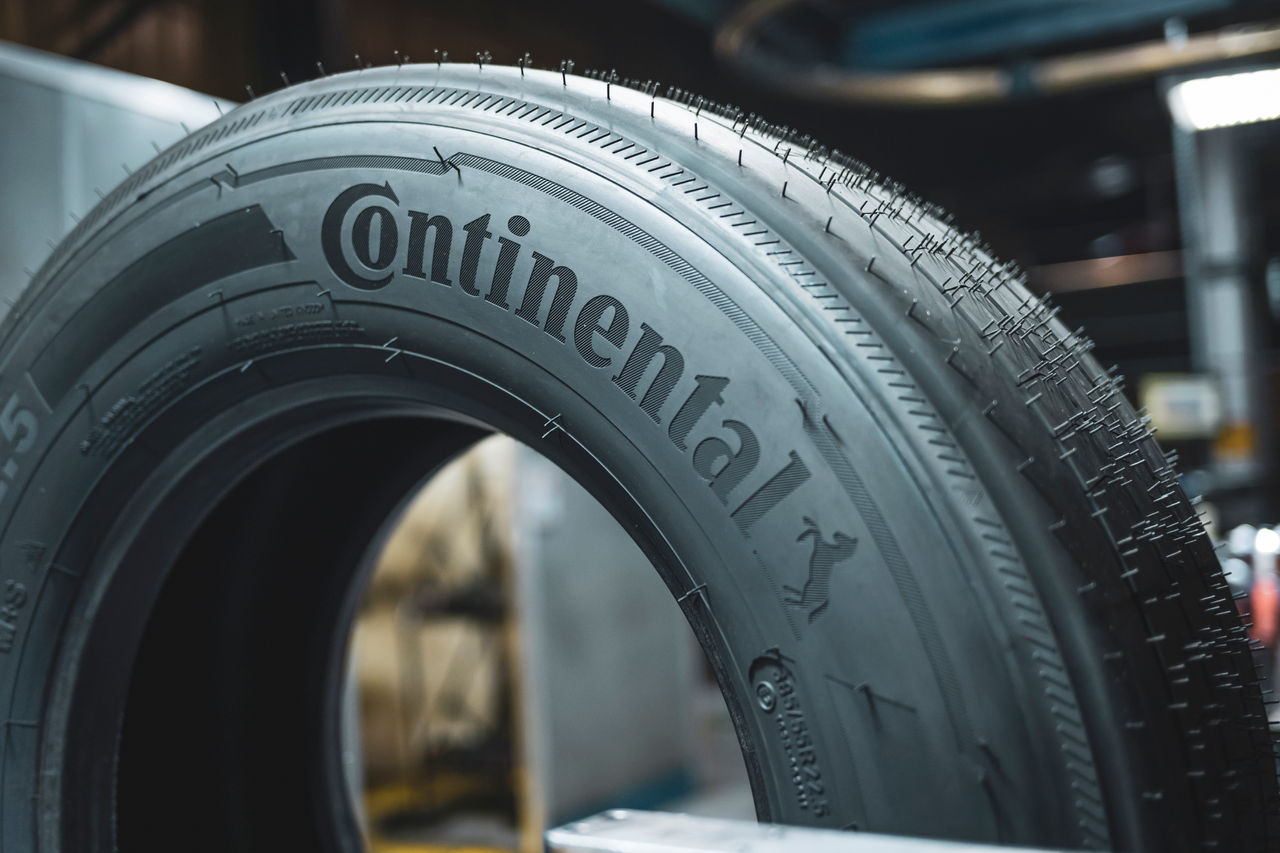
Continental often shines in wet grip, braking, and overall “confidence” at the limit. In many test comparisons, Continental all-season options are praised for short stopping distances and solid steering response without punishing ride quality.
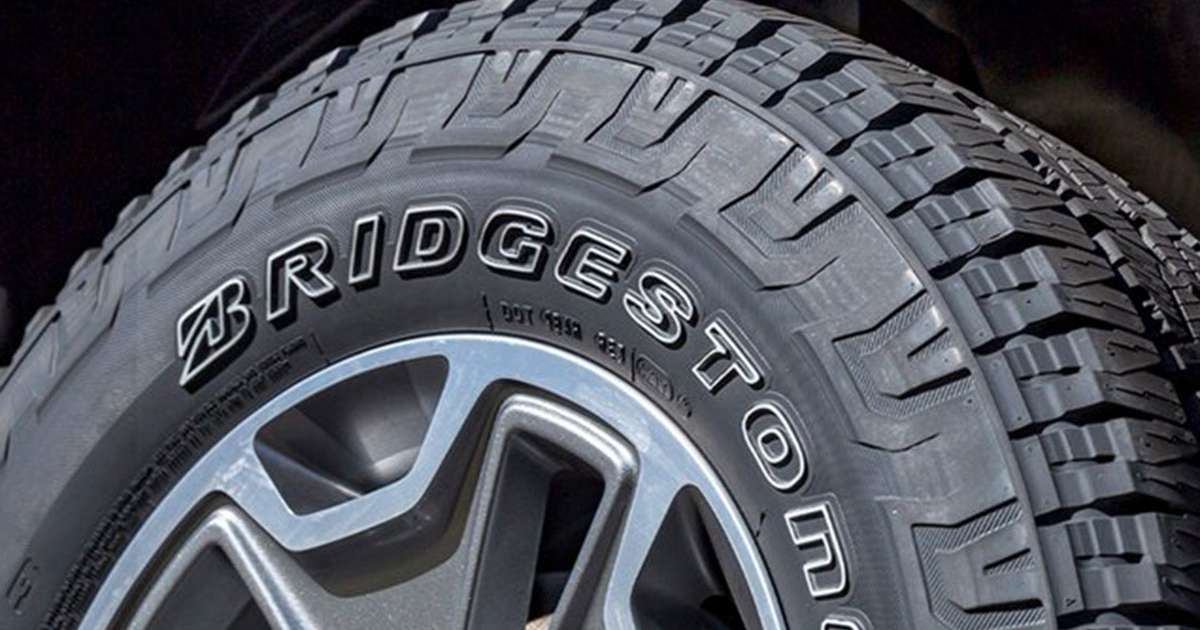
Bridgestone is strong in OE fitments and offers a wide range, from comfort-oriented touring to sportier all-seasons. Bridgestone’s best products tend to feel well engineered, especially for drivers who want composed handling on mixed road surfaces.
Advice: If your priority is family-road-trip comfort plus wet safety, start your search with these three brands and compare specific models and sizes using Consumer Reports tire ratings if you have access.
Performance and ultra-high performance: Michelin, Pirelli, Goodyear
Michelin dominates many street performance categories thanks to high grip and excellent consistency as tires heat up. Drivers also like the predictable breakaway and strong wet performance for the segment.
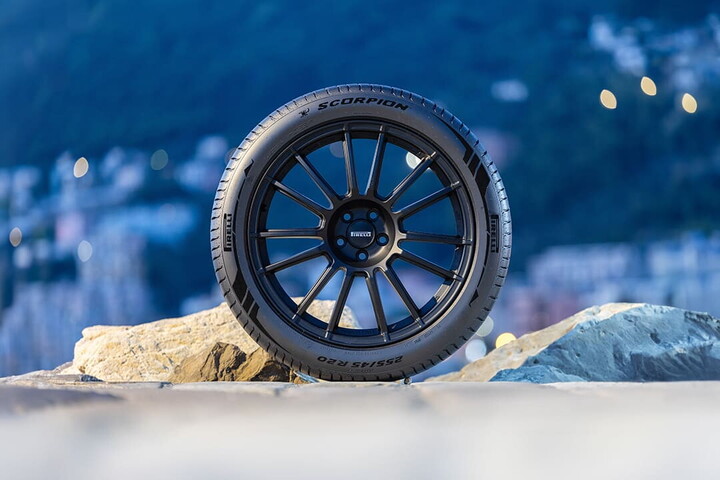
Pirelli is a go-to for sporty handling feel, especially on performance sedans and sports cars. Many Pirelli models prioritize crisp steering response and cornering stability. Just remember that some performance tires trade tread life for grip, so check warranty and expected mileage.
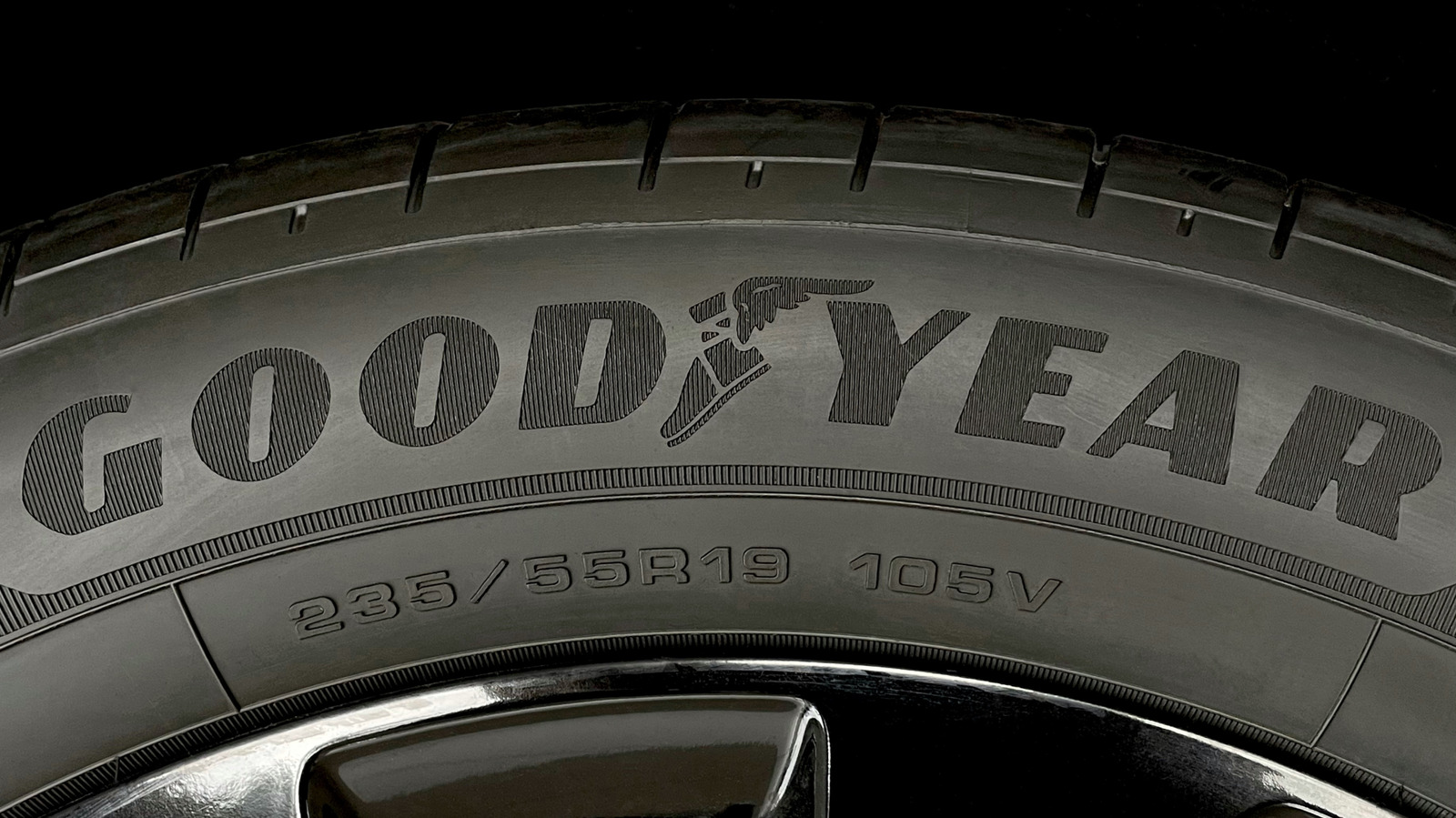
Goodyear is a frequent contender in ultra-high performance all-season and summer categories. Certain Goodyear models score well for wet traction and day-to-day livability, which matters if your “performance” car is also your commuter.
Advice: Performance tires are sensitive to alignment. If you buy these brands, budget for an alignment check and rotate on schedule. You will feel the difference and you will protect the investment.
Winter specialists: Nokian, Bridgestone, Michelin, Continental
Nokian has a long-standing winter pedigree and is widely respected for snow and ice traction design. If you live where winter is not a weekend inconvenience but a season, Nokian belongs on your shortlist.
Bridgestone is well known for strong winter options, often delivering confident ice traction and stable handling in slush. Michelin and Continental also make highly rated winter tires with good balance between traction and road manners.
Advice: Look for the 3PMSF symbol (three-peak mountain snowflake) when you want real winter capability. For an explainer of the marking and what it indicates, see this overview from Tire Rack’s tech articles.
Value brands that punch above their price: Falken, Kumho, Hankook, General
Not everyone needs (or wants to pay for) premium pricing. Several mid-tier brands deliver impressive performance for the money:
Falken often offers sporty handling and good wet traction at a reasonable cost. Kumho can be a strong option for daily driving and light performance needs. Hankook has built a reputation for well-rounded products and is frequently chosen as OEM on mainstream vehicles. General (a Continental brand) is worth a look if you want a sensible, dependable all-season with competitive warranties.
Advice: When shopping value brands, prioritize wet braking and treadwear results from independent tests, not just star ratings. Also verify load index and speed rating match your vehicle’s door-jamb placard.
How to Choose the Right Brand for Your Vehicle (Without Overthinking It)
Brand is only the first filter. The real win comes from matching your use case to a specific tire line. Use this simple approach:
1) Start with your climate and roads
If you see frequent snow or long periods below 45°F, dedicate a winter set. If you are in a mild climate with occasional cold rain, a high-quality all-season from a premium brand often delivers the best year-round balance.
2) Match tire category to your driving style
Touring tires focus on comfort, low noise, and long life. Ultra-high performance all-seasons trade some comfort and tread life for sharper response. Summer tires maximize warm-weather grip but should not be used in freezing conditions.
3) Confirm fitment details that people forget
Even great brands disappoint when the specs are wrong. Double-check:
- Load index and speed rating
- XL (extra load) if required by your vehicle
- Run-flat if your car is designed around it (or if you accept the tradeoffs)
- EV-specific options if you care about range and torque-related wear
4) Use the right data sources
For side-by-side comparisons, start with instrumented tests and large datasets. Combine at least two sources: a test database like Tire Rack, plus a consumer-oriented rating source like Consumer Reports or reputable automotive publications. When you see the same names rising across multiple tests, that is usually a sign the tire is genuinely good, not just well marketed.
Buying Smart: Getting Top Brand Performance Without Paying More Than You Should
You can often step into a better brand or model by timing the purchase and focusing on total ownership cost instead of sticker price.
Watch for rebates and closeouts
Premium brands frequently run seasonal rebates. Also look for last-year model closeouts from reputable retailers, especially if the tire is still new (check the DOT date code). A slightly older production date can be fine if stored properly, but avoid anything that has been sitting for years.
Factor in installation quality
A top tire mounted poorly will vibrate, wear unevenly, and feel “off.” Choose a shop that offers road-force balancing if you are sensitive to vibrations or drive a vehicle with low-profile tires. If you are unsure what tire pressure you should run, follow the door-jamb sticker, not the sidewall maximum. For pressure and maintenance best practices, the NHTSA guide is clear and practical.
Protect the tires you buy
Want your “best brand” to actually last? Do these three things:
- Rotate every 5,000 to 7,500 miles (or per your manual).
- Check pressures monthly and before long trips.
- Get alignment checked if you hit a pothole hard or see uneven wear.
Quick Brand Cheat Sheet (Pick a Direction Fast)
If you want a fast starting point, here is a practical way to shortlist brands:
- Best all-around premium: Michelin, Continental, Bridgestone
- Best for sporty feel: Michelin, Pirelli, Goodyear
- Best for harsh winters: Nokian, Bridgestone, Michelin, Continental
- Best value without going “cheap”: Falken, Hankook, General, Kumho
Then, choose the specific model based on your vehicle and conditions, and confirm performance through independent testing. This is the part most people skip, and it is where the best outcomes come from.
Bottom line: the best tires brands are the ones that repeatedly perform well in the exact category you need. Narrow your category first, compare a few proven models from reputable brands, and buy from a retailer that will mount, balance, and support them correctly.
Conclusion: Use this guide to pick two or three brands that match your climate and driving style, then compare specific tire models and test results before you buy. When you are ready, shortlist your top options and schedule installation with a shop you trust to get the safest, smoothest ride possible.

weapons and military expert


