Winter boots are one of those purchases you feel in your bones, literally. When sidewalks turn slick, slush seeps into seams, and cold air makes your toes go numb, “cute” stops being the only requirement. The problem is that shopping for the best women’s winter boots can feel like decoding a secret language: insulation grams, waterproof membranes, lug soles, temperature ratings, and unfamiliar leather treatments. Add different winter lifestyles into the mix (city commuting, dog walks, weekend hikes, shoveling the driveway), and it’s easy to buy the wrong pair. This guide cuts through the noise using well-established footwear testing criteria from trusted outdoor and consumer sources. You’ll learn what actually matters for warmth and traction, how to choose boots for your climate, and which proven styles tend to perform best when winter gets serious.
:max_bytes(150000):strip_icc()/GettyImages-1817250883-adc8d0d3530f4d889ba8db5ab801949d.jpg)
Table of Contents
What makes the best women’s winter boots (beyond looks)
The best winter boot is a system: weather protection, insulation, traction, and fit have to work together. Brands use different marketing words, so it helps to anchor your decision to measurable features and widely accepted standards.
Waterproofing that matches your winter. If your winter is wet (coastal snow, slushy cities), prioritize true waterproof construction: sealed seams, a gusseted tongue, and a membrane such as Gore-Tex. To compare waterproof claims, it helps to know what “waterproof-breathable” membranes are designed to do, and when they can feel clammy. The explanation from GORE-TEX’s guide to how membranes work is a solid reference. If you live in a cold, dry climate, water resistance plus a protective gaiter can be enough, and often more breathable.
Insulation and warmth management. Insulation is often listed in grams (for synthetic fills like Thinsulate). Higher grams usually means warmer, but also bulkier. Temperature ratings can be inconsistent because warmth depends on circulation, sock choice, activity level, and moisture. For practical planning, use reputable outdoor layering and heat-loss guidance, like REI’s winter boot selection advice, then choose based on how long you stand still outdoors versus how much you move.
Traction you can trust on ice. Rubber compounds matter as much as tread pattern. Deep lugs help in snow, but on smooth ice, a softer rubber or specialized outsole can be safer. If you want a research-backed approach, look for third-party testing or proven winter outsole families. Many winter commuters also add removable traction devices on storm days, and you can compare types using the Wirecutter guide to ice cleats.
Fit that stays warm. Boots that are too tight reduce circulation and make you colder. Boots that are too loose invite blisters and heel lift. Aim for enough room to wiggle toes with a winter sock, a locked-in heel, and no pressure points across the top of the foot. If you plan to wear thicker socks, try boots later in the day when feet are slightly larger.
- Cold and dry: prioritize insulation, wind blocking, and a stable sole.
- Wet and slushy: prioritize waterproofing, higher shaft coverage, and quick-drying linings.
- Mostly ice: prioritize proven outsole rubber or add-on traction devices.
- All-day walking: prioritize supportive midsoles, lighter weight, and a secure heel.
Top boot styles that consistently perform well
Rather than tossing a random list of trendy picks at you, it’s smarter to shop by category. These are the winter boot styles that repeatedly show up in expert testing and buyer satisfaction because their designs solve specific winter problems.
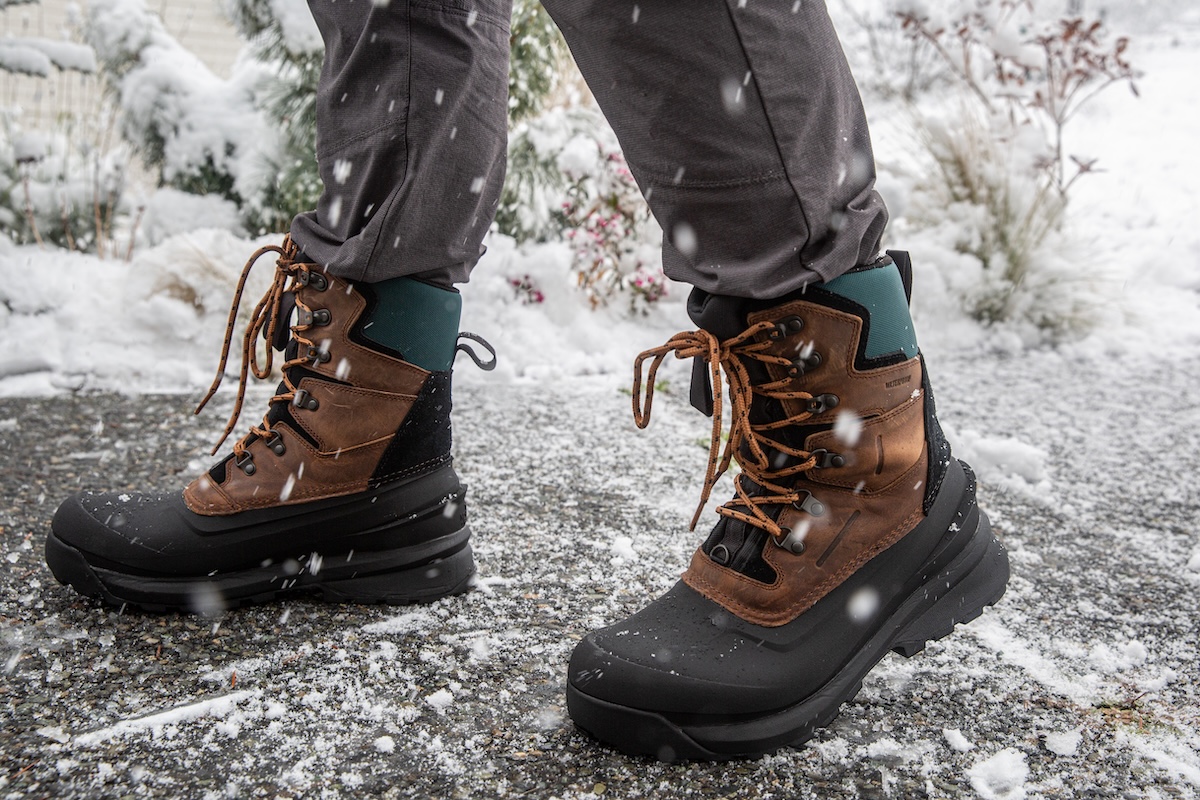
1) Insulated waterproof hikers (for active days and variable terrain).
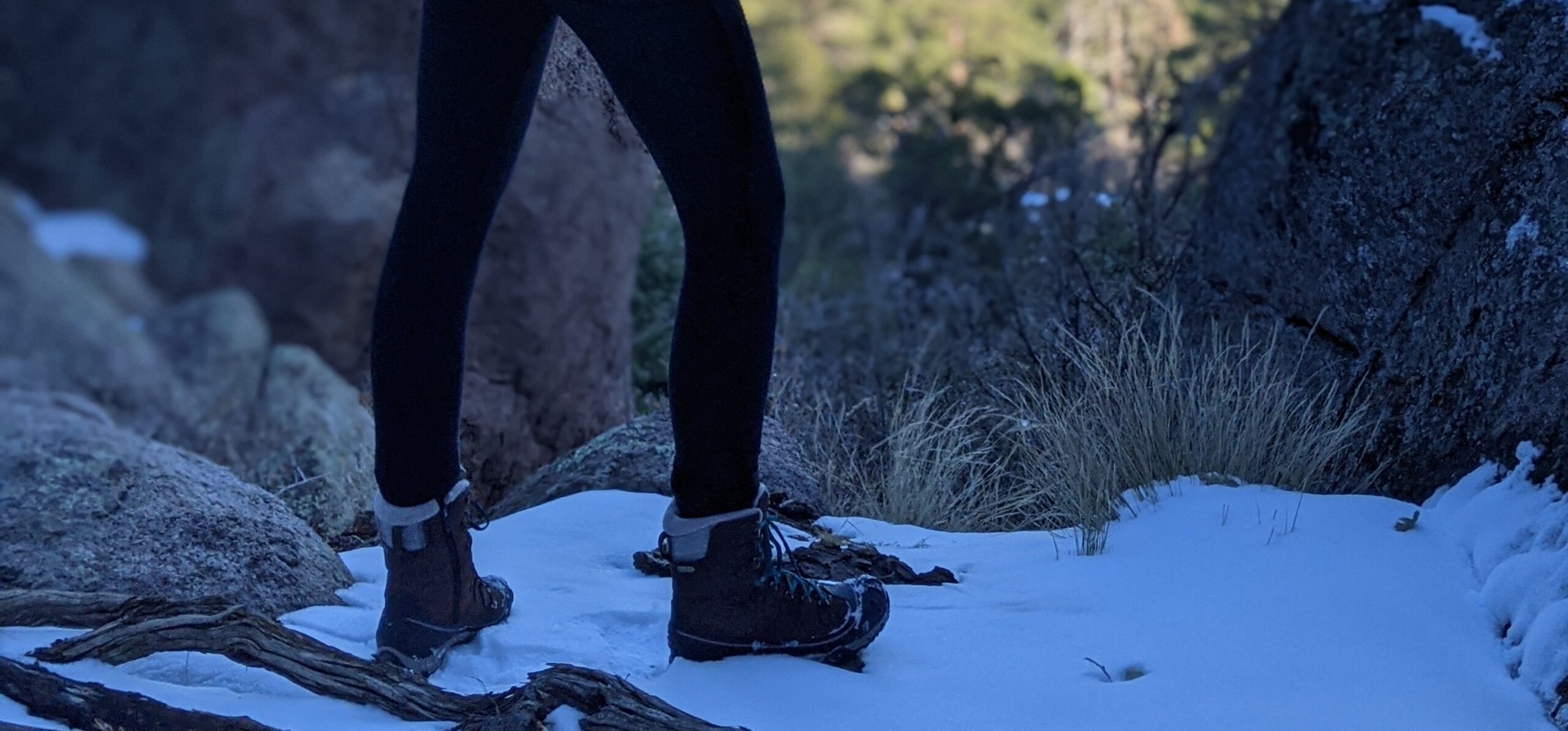
If your winter includes long walks, trails, or uneven sidewalks, an insulated hiking-boot silhouette is hard to beat. Look for a waterproof membrane, 200 to 400g insulation, a torsionally stable sole, and a pronounced heel-to-toe rocker that makes walking feel natural. This category shines because it balances warmth, mobility, and traction without feeling like a moon boot.
Buying tip: Choose a slightly roomier toe box than your summer hikers. Cold toes are often a fit problem, not an insulation problem.
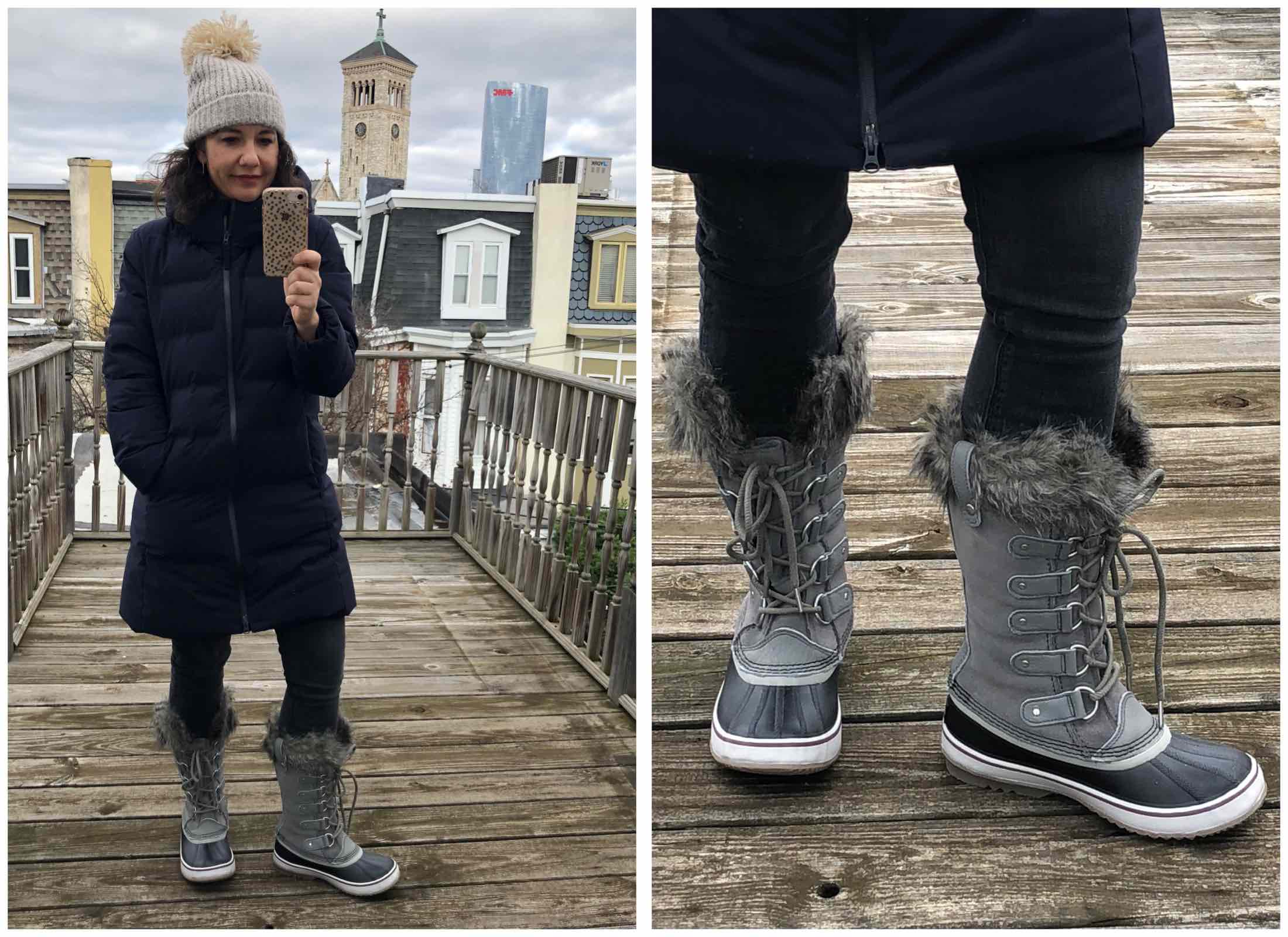
2) Shearling-lined or faux-fur lined leather boots (for city style that still works).
A well-made leather boot with a warm lining can be a daily driver for urban winter, especially when paired with a rubber outsole and a weather-resistant finish. Full-grain leather tends to age better and resist cracking, but it needs care. If you’re investing in leather, learn basic maintenance: conditioning, drying away from direct heat, and adding a water-repellent treatment. The leather care overview from IHS is a simple, practical checklist.
Buying tip: If the outsole is smooth or lightly treaded, treat the boot as “style-first” and plan to use ice cleats on storm days.
3) Tall waterproof boots (for slush, puddles, and deep snowbanks).
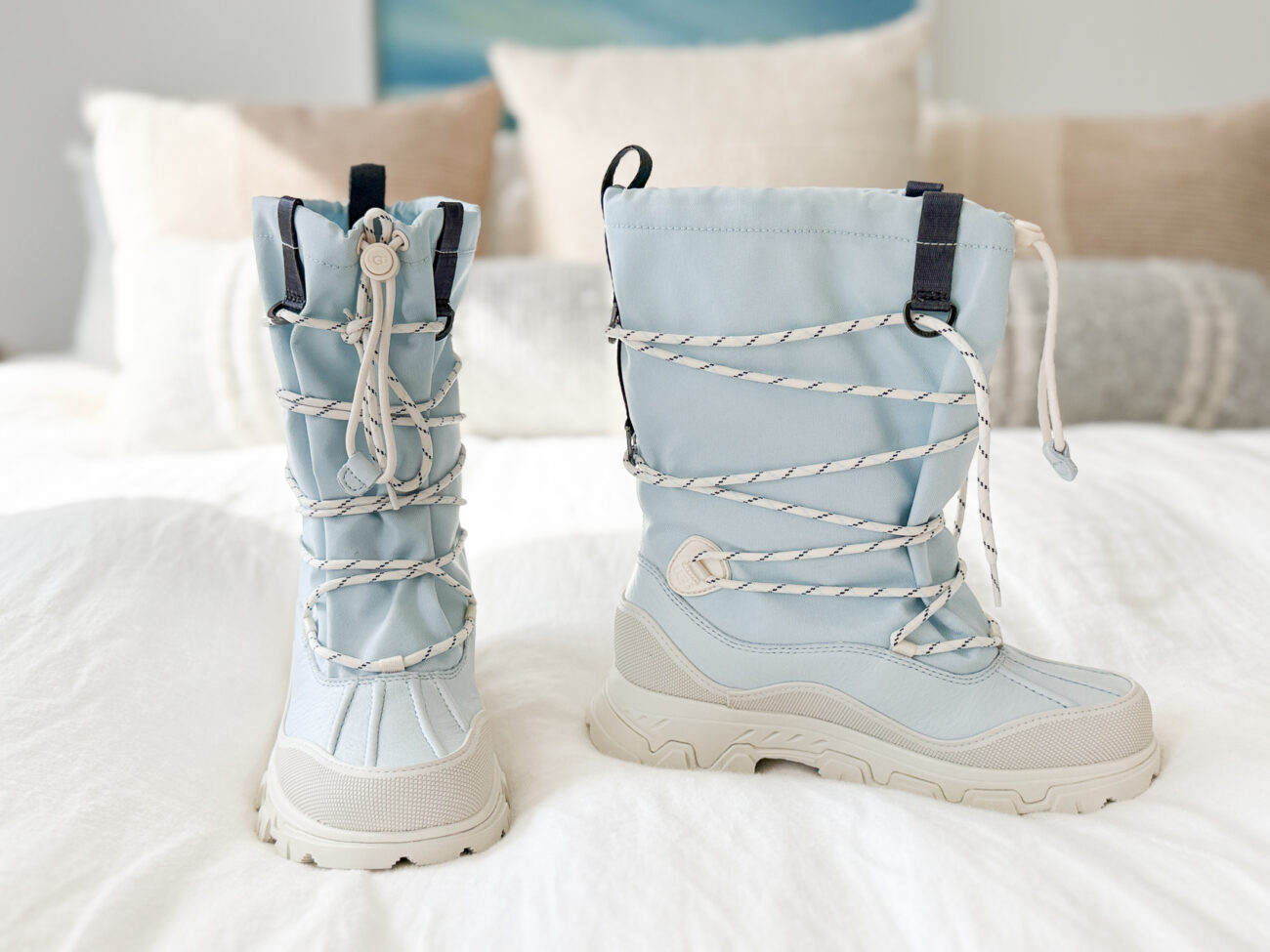
When snow turns to gray slop at curb cuts, coverage matters. Tall boots with sealed construction, a higher shaft, and a gusseted tongue help keep water out when you step into a surprise puddle. Many are less insulated than they look, so check for a lining that actually adds warmth (wool blend, fleece, or insulated bootie).
Buying tip: If you commute, consider a tall boot for the messy part of the day and keep office shoes at work. Your feet will thank you.
4) Pac boots (for serious cold and long time outdoors).
Pac boots use a removable insulated liner inside a waterproof shell. They can be bulky, but they excel for very cold temperatures and long, low-activity periods like watching kids’ sports, ice fishing, or standing at a winter market. Removable liners also dry faster, which is a real advantage if you’re out daily.
Buying tip: Pull liners out to dry after heavy use. Moisture is the fastest way to lose warmth.
How to choose the right pair for your climate and routine
The fastest route to “best” is matching the boot to your actual winter. Here’s a practical way to decide without overthinking it.
Step 1: Identify your dominant winter hazard.
Is it wet slush, dry cold, ice, or constant walking? One hazard usually dominates. If it’s wet, waterproofing is non-negotiable. If it’s ice, outsole performance becomes the priority. If it’s long walks, weight and support matter as much as insulation.
Step 2: Choose insulation based on activity.
If you move a lot, too much insulation can make your feet sweat, then chill. If you stand still, you’ll want more warmth. Use a layering mindset similar to clothing: adjust socks and activity rather than assuming the warmest boot is always best. For sock strategy, merino wool blends are a reliable option because they manage moisture and still insulate when damp. The merino wool benefits summary from Smartwool explains why wool is a winter staple.
Step 3: Check the outsole like you’re inspecting tires.
Look for multi-directional lugs, a rubber compound that stays grippy in cold, and a heel that doesn’t feel like a platform. If you can, flex the boot: the forefoot should bend, but the midfoot should resist twisting. That stability helps on uneven icy surfaces.
Step 4: Demand a secure fit before you “break them in.”
Winter boots should feel good quickly. A little stiffness is normal, but heel lift and toe pressure rarely disappear. Wear the socks you’ll actually use, lace up fully, and walk on a hard surface. Your heel should stay planted when you step forward.
Step 5: Plan for maintenance.
The best boots last because owners take care of them. Dry them at room temperature, stuff with paper to pull moisture out, and avoid placing them against a heater which can damage adhesives and leather. If you live in a salted city, wipe boots down regularly. The AKC winter salt and ice advice is aimed at dog paws, but it’s a helpful reminder of how harsh deicers are, including on your footwear and floors.
Smart shopping checklist (so you don’t regret it in January)
Use this checklist when comparing options online or in-store. It’s designed to keep you focused on performance, not just product photos.
- Waterproof construction: sealed seams, gusseted tongue, membrane or waterproof shell.
- Insulation or lining: specify grams or materials, not vague “warm lining” claims.
- Outsole: deep lugs for snow, proven rubber for ice, or plan for add-on cleats.
- Fit: toe wiggle room, locked heel, no pressure points with winter socks.
- Weight: lighter boots reduce fatigue for commuters and travelers.
- Shaft height: low for mobility, mid for everyday, tall for slush and drifts.
- Drying strategy: removable liners or enough interior space to dry overnight.
- Return policy: prioritize brands/retailers with easy returns so you can test fit properly.
If you’re torn between two pairs, choose based on the worst conditions you reliably face, not the average day. And if you’re buying only one boot for the whole season, a waterproof insulated hiker style is often the most versatile compromise: warm enough for most commutes, supportive for long walks, and easier to pack than tall pac boots.
One more expert tip: treat traction as a modular system. Even the best sole has limits on glare ice. A compact pair of ice cleats in your bag turns a decent boot into a safer winter setup, especially for errands after freezing rain.
Ready to upgrade your winter? Pick your dominant weather problem, use the checklist, and choose a boot category that matches your daily routine. Then buy from a retailer with a solid return policy and test them on a real walk before the first big storm.