Side sleeping is the most common sleep position, and also the one most likely to punish you for choosing the wrong mattress. When your shoulder and hip take the first hit, a surface that is too firm can create sharp pressure points, numb arms, and that familiar morning stiffness. Too soft, and your midsection sinks, twisting your spine into a subtle “C” shape that you feel later as lower back pain. The sweet spot is support plus contouring, and it is rarely one-size-fits-all. Your weight, shoulder width, and whether you run hot all change what “comfortable” really means. In this guide, we will break down what side sleepers actually need, then walk through the best mattress brands that consistently deliver pressure relief and alignment, with practical tips for choosing models and firmness levels that work in real bedrooms.
![Mattress Firmness Scale: Which Level Is Best For You [Guide]](https://bestlyreviews.com/wp-content/uploads/2026/02/the-mattress-firmness-scale.png)
Table of Contents
What side sleepers should prioritize (so you do not guess)
For side sleepers, comfort is not just softness. It is a controlled cradle that cushions the shoulder and hip while keeping your waist and lower back supported. That balance comes from materials, zoning, and the right firmness for your body type.
- Pressure relief at the shoulder and hip: Look for memory foam, latex, or pillow-top comfort layers that compress without “bottoming out.” Independent tests like those discussed by Sleep Foundation’s side-sleeper guide often highlight thicker comfort layers for this reason.
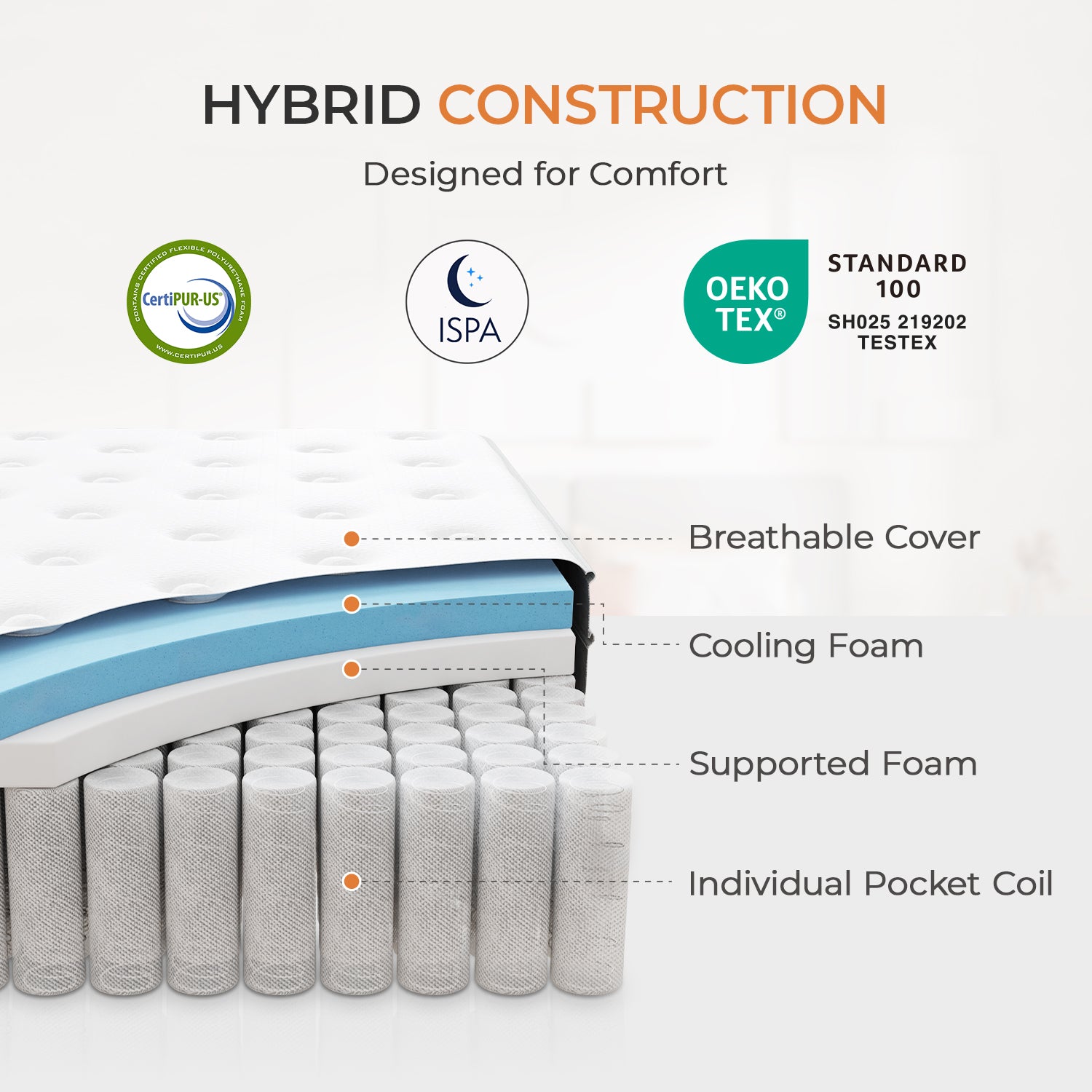
- Spinal alignment: Side sleepers need the pelvis to sink slightly but not collapse. Hybrids with pocketed coils or zoned foam often do this best, especially for average and heavier bodies.
- Motion isolation: If you share a bed, foams and well-built hybrids reduce partner disturbance, which is a common complaint in coil-heavy mattresses.
- Temperature regulation: Many side sleepers “nest” into the bed. Foam that traps heat can be a dealbreaker. Materials like latex, breathable covers, and coil systems can help. For general sleep temperature science, see the Sleep Foundation overview on sleeping cool.
- Edge support: Side sleepers often curl near the edge. Hybrids typically hold up better than all-foam when you sit or sleep close to the perimeter.
A practical rule of thumb: lightweight side sleepers (under about 130 lb) usually need softer comfort layers; average-weight sleepers often land in medium to medium-soft; heavier sleepers typically do better with a supportive hybrid in medium to medium-firm that still has serious cushioning on top.
Best mattress brands for side sleepers (and who they fit best)
These brands show up repeatedly in third-party testing and long-term owner feedback because they build beds that handle pressure and posture well. Instead of picking a single “winner,” match the brand’s strengths to your body and priorities.
Helix: tailored feel without overthinking it
Helix is a standout for side sleepers because it leans into personalized selection. Many of its models are designed around sleep position and body type, and several are explicitly tuned for side sleepers with plusher top layers. If you want a guided starting point, the Helix Sleep Quiz is one of the more useful brand quizzes, especially if you are not sure whether you need medium-soft or medium.
Best for: Side sleepers who want a clear recommendation and a hybrid feel with solid pressure relief.
Tempur-Pedic: the pressure-relief specialist
Tempur-Pedic is famous for slow-response foam that distributes weight extremely well. That can be magic for bony shoulders and hips, and for people who wake up with tingling arms from pressure. The tradeoff is a deeper “hug” and, depending on the model, more heat retention than latex or coil-forward hybrids. If you love a stable, contouring surface and do not change positions constantly, it is hard to beat.
Best for: Side sleepers with pronounced pressure points, and couples who want excellent motion isolation.
Saatva: luxury hybrids with strong support
Saatva’s lineup is known for coil-on-coil and hybrid designs that feel buoyant rather than sinky. Side sleepers who dislike deep foam often prefer this style because it keeps the torso supported while still offering plushness on top. Saatva also tends to do well on edge support, which matters if you sleep near the perimeter.
Best for: Side sleepers who want a more traditional, hotel-like mattress feel with supportive lift.
DreamCloud: plush hybrid comfort at a value
DreamCloud mattresses typically aim for a “cushioned top over sturdy coils” formula. Side sleepers who want softness without losing support often find that appealing. These beds can be a strong choice for guest rooms too, because hybrids in the medium range work for a wider range of body types than ultra-soft all-foam models.
Best for: Side sleepers shopping for a plush hybrid feel with broad appeal.
Nolah: built around pressure relief for side sleeping
Nolah positions itself strongly around side-sleeper pressure relief, often using proprietary foams intended to be more responsive and less heat-trapping than classic memory foam. Several review outlets note Nolah’s comfort layers as a key advantage for shoulders and hips. If you want a foam-forward bed but worry about getting stuck, Nolah is worth a look.
Best for: Side sleepers who like foam contouring but want easier movement and better airflow.
WinkBeds: supportive hybrids with plush options
WinkBeds offers multiple firmness choices, including softer builds that cater well to side sleepers, plus more supportive versions for heavier bodies. That range is valuable because side-sleeper needs shift dramatically with weight. A brand that provides real firmness diversity reduces the chance you end up with “almost right.”
Best for: Side sleepers who want options, especially if you are unsure between soft and medium.
Brooklyn Bedding: variety and strong value
Brooklyn Bedding is often recommended for its broad catalog, frequent promotions, and solid hybrid construction. For side sleepers, look for models with thicker comfort layers or explicitly “plush” configurations. It is also a practical brand if you want to compare foam vs hybrid within one company rather than jumping between manufacturers.
Best for: Side sleepers balancing budget with customization and model variety.
How to choose the right model inside a brand (firmness, materials, and your body)
Even the best brand can feel wrong if you pick the wrong firmness or construction. Use these filters to narrow it down quickly.
1) Match firmness to your weight and shoulder shape
Side sleepers often underestimate how much shoulder width matters. Broad shoulders usually need more give to let the shoulder sink and keep the neck relaxed. Narrower shoulders can tolerate a slightly firmer surface.
Quick guidance:
- Under 130 lb: Soft to medium-soft is often best, especially for sharp pressure points.
- 130 to 230 lb: Medium-soft to medium is the side-sleeper sweet spot for many people.
- Over 230 lb: Medium to medium-firm hybrid with a plush comfort layer tends to keep the spine aligned while still cushioning hips and shoulders.
2) Decide if you want “hug” or “lift”
Memory foam provides hug: deep contouring and great pressure relief, but it can feel slow and warm. Latex and many hybrids provide lift: a buoyant surface that still cushions but feels easier to move on. If you toss and turn, consider latex or a responsive hybrid.
3) Pay attention to the top 3 inches
For side sleeping, the comfort layer is the star. A thick, well-designed top section can make a medium-support core feel side-sleeper friendly. If the comfort layer is thin or firm, your shoulder will feel it first.
4) Keep your pillow in the equation
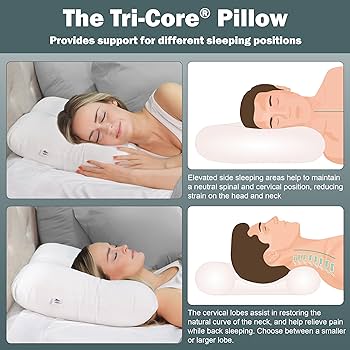
A mattress can only do so much if your pillow is wrong. Side sleepers usually need a higher-loft pillow that fills the gap between head and shoulder. The Sleep Foundation pillow guide for side sleepers is a helpful reference when dialing in neck alignment.
5) Use the trial period like a testing protocol
Most reputable brands offer an in-home trial. Treat it like a mini experiment: sleep on the mattress for at least 2 to 3 weeks, track shoulder numbness and lower back tightness, and note whether you wake up on your side or migrated to your back. If you are close but not perfect, try a thin mattress topper or adjust your pillow before returning.
Brand shopping tips that actually save you from returns
Side sleepers are more sensitive to comfort-layer feel than many back sleepers, so small details matter. Before you buy, check these brand-level factors:
- Clear firmness options: Brands that offer multiple builds (soft, medium, firm) reduce the risk of compromise.
- Transparent specs: Look for comfort-layer thickness and materials, coil count for hybrids, and whether the foams are high-density.
- Good exchange policies: Some brands allow a firmness exchange rather than a full return, which is ideal if you picked slightly wrong.
- Certifications and materials: If you are sensitive to odors or chemicals, check for foam certifications like CertiPUR-US and textile standards like OEKO-TEX Standard 100.
One more expert tip: if you are between medium and medium-soft, choose the slightly softer option if you are lightweight or have shoulder pain. Choose the slightly firmer option if you have hip pain from sinking or if your lower back feels “pulled” in the morning.
Conclusion
The best mattress brands for side sleepers are the ones that consistently nail pressure relief without sacrificing alignment: think thoughtful hybrids, contouring foams, and real firmness choices. Pick a brand whose strengths match your body and preferences, then choose the model by comfort-layer design, not marketing names. Start with your top two candidates, use the trial period strategically, and upgrade your pillow if your neck still complains. When you are ready, shortlist three models and test them like your shoulders depend on it, because they do.

Writer with a background in ergonomics. Enjoys reviewing and discussing home furniture & clothing , that’s comfortable and supportive for the entire family.