Buying a pillow in the U.S. looks easy until you realize how many variables can wreck your sleep: loft, firmness, fill type, heat retention, allergens, neck alignment, even the size of your shoulders. One “best seller” can feel perfect for a back sleeper and miserable for a side sleeper with broad shoulders. Add marketing buzzwords like “cooling,” “orthopedic,” or “hotel quality,” and it’s no wonder people keep a closet full of failed pillows. This guide solves that. Below you’ll find the best pillow brands in the USA, explained the way a sleep product tester would: what each brand is known for, who it’s best for, what to watch out for, and how to choose based on your sleep position and comfort preferences. You’ll leave with a shortlist that actually matches your body and sleep style.
Table of Contents
How to choose the right pillow before picking a brand
Brands matter, but pillow fit matters more. The fastest way to avoid a return is to match your pillow’s loft and firmness to your sleep position and your body frame. A pillow should keep your head in neutral alignment, meaning your neck is not angled up, down, or to the side.
- Side sleepers: Typically need a higher loft and more support to fill the gap between shoulder and head. Look for adjustable shredded foam, supportive latex, or a firm down-alternative.
- Back sleepers: Usually do best with medium loft and medium support, with enough contouring for the neck. Memory foam and medium latex are common winners.
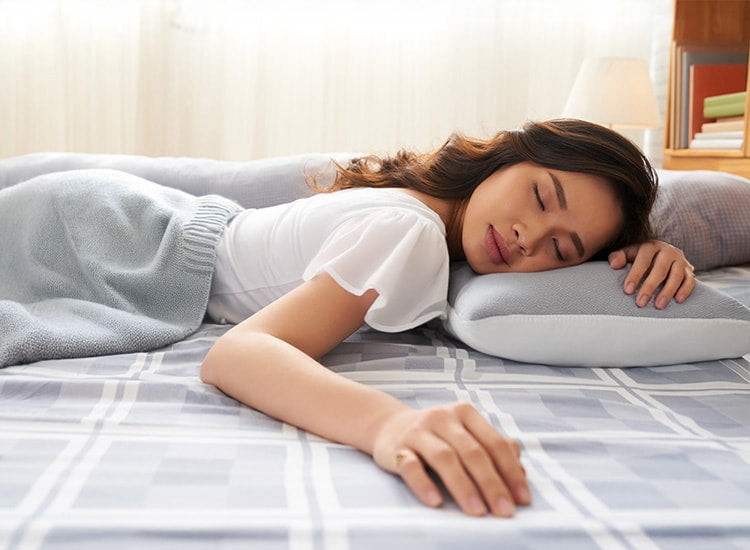
- Stomach sleepers: Need low loft and softness to reduce neck extension. Thin down or soft down-alternative often works best.
- Hot sleepers: Consider latex, breathable down, or ventilated/gel-infused foams. Also check the cover fabric (cotton percale tends to feel cooler than brushed knits).
- Allergy concerns: Choose hypoallergenic fills and washable covers. If you’re sensitive to dust mites, prioritize easy-wash designs and protective encasements.
If you want to sanity-check basic alignment guidance, the Sleep Foundation pillow selection guide is a solid baseline reference. For safety and material emissions, it’s worth understanding what third-party certifications mean. A quick overview from CertiPUR-US can help when you’re shopping memory foam options.
Best pillow brands in the USA: what each one does best
Below are brands that consistently show up in reputable testing, long-term owner feedback, and retailer performance. Each has a “signature” feel, and knowing that signature saves you from buying blind.
Coop Home Goods
If you like the idea of customizing your pillow rather than gambling on a fixed loft, Coop is one of the safest bets. Their adjustable shredded memory foam design lets you add or remove fill until your head and neck feel neutral. It’s a frequent recommendation in roundups from major review outlets, including Wirecutter’s pillow guide, largely because it fits a wide range of sleepers.
Best for: side and back sleepers who want adjustability, couples with different preferences.
Watch for: shredded foam can feel “springier” than solid foam; give it time to fully expand and off-gas if you’re sensitive to odors.
Tempur-Pedic
Tempur-Pedic is the classic name in memory foam contouring. Their pillows tend to deliver a stable, supportive cradle that keeps its shape, which is great if you wake up with neck tension. They’re not the cheapest, but the feel is distinct: slow-responding, pressure-relieving foam.
Best for: back sleepers and side sleepers who want a structured contour.
Watch for: some models can sleep warm; look for ventilated or cooling-cover versions if you overheat.
Brooklinen
Brooklinen is known for bedding with a “hotel” vibe, and their pillows follow that theme with down and down-alternative options in multiple firmness levels. If you like the sink-in softness of a traditional pillow rather than the springy feel of foam, it’s a strong contender.
Best for: combination sleepers who like a classic, fluffy feel.
Watch for: down pillows require fluffing; if you want shape retention, choose firmer fills or foam.
Parachute
Parachute leans premium with airy, well-finished options, including down and down-alternative. The brand is often favored by people who care about fabric hand-feel and a more elevated sleep setup, not just the internal fill.
Best for: people who want a luxurious, breathable pillow feel.
Watch for: premium pricing; choose based on preference for loft and firmness rather than aesthetics alone.
Casper
Casper’s pillow lineup often targets balanced support with a touch of plushness, and several models are designed to feel less “stuck” than traditional memory foam. If you dislike slow-responding foam but still want contour, Casper is worth a look.
Best for: back and combo sleepers who want responsive support.
Watch for: model names and constructions vary; check whether it’s foam, fiber, or a hybrid build.

Purple
Purple’s signature Grid material is polarizing but impressive when it matches your needs. It’s buoyant, pressure-relieving, and tends to sleep cooler than dense foams thanks to airflow channels. If you often flip the pillow to find “the cool side,” Purple’s approach can feel like a cheat code.
Best for: hot sleepers, people who like a springy, supportive feel.
Watch for: the feel is unique, not cloud-soft; choose carefully if you want plushness.
Saatva
Saatva makes pillows that blend premium materials and supportive structure, often with a more “mattress-brand luxury” approach. Their options can be a good bridge between traditional loft and modern support, depending on the model.
Best for: shoppers who want upscale builds and clear firmness choices.
Watch for: be precise about your sleep position; their loft profiles vary by model.
Avocado
If you’re trying to reduce synthetic materials, Avocado is a standout for latex and organic-focused pillow constructions. Latex tends to be supportive, resilient, and more breathable than memory foam, which is why many hot sleepers prefer it.
Best for: hot sleepers, people who want springy support, shoppers who prioritize natural materials.
Watch for: latex has a distinct bounce; if you love the slow hug of memory foam, it may feel too lively.
Malouf
Malouf offers a wide range, from shredded foams to more structured designs, and is popular through large retailers. It’s a practical brand to explore if you want multiple price points and easy availability.
Best for: value-focused shoppers who want options and quick shipping.
Watch for: quality and feel depend heavily on the exact model, so read specs carefully.
Match the brand to your sleep style: quick picks and smart buying tips
Here’s the synthesis that saves time: different pillow categories solve different problems. Use the logic below to choose a brand and model family that aligns with your actual complaint, not just a five-star average.
If you wake up with neck pain
Neck pain often comes from either too much loft (head pushed up) or too little loft (head dropping down). Start by identifying your primary sleep position. For many people, an adjustable pillow makes the fastest difference because you can micro-tune height.
Try: Coop Home Goods for adjustability, Tempur-Pedic for structured contouring, Saatva for premium support options.
If you sleep hot or sweat at night
Cooling claims can be misleading. Many “cooling” pillows rely on a cool-to-touch cover that feels chilly for a few minutes, while the core still traps heat. Materials matter: latex and airy structures often outperform dense foams over the whole night.
Try: Purple for airflow-driven cooling, Avocado for breathable latex, or a well-made down pillow from Brooklinen or Parachute if you like traditional softness.
If you want that hotel pillow feel
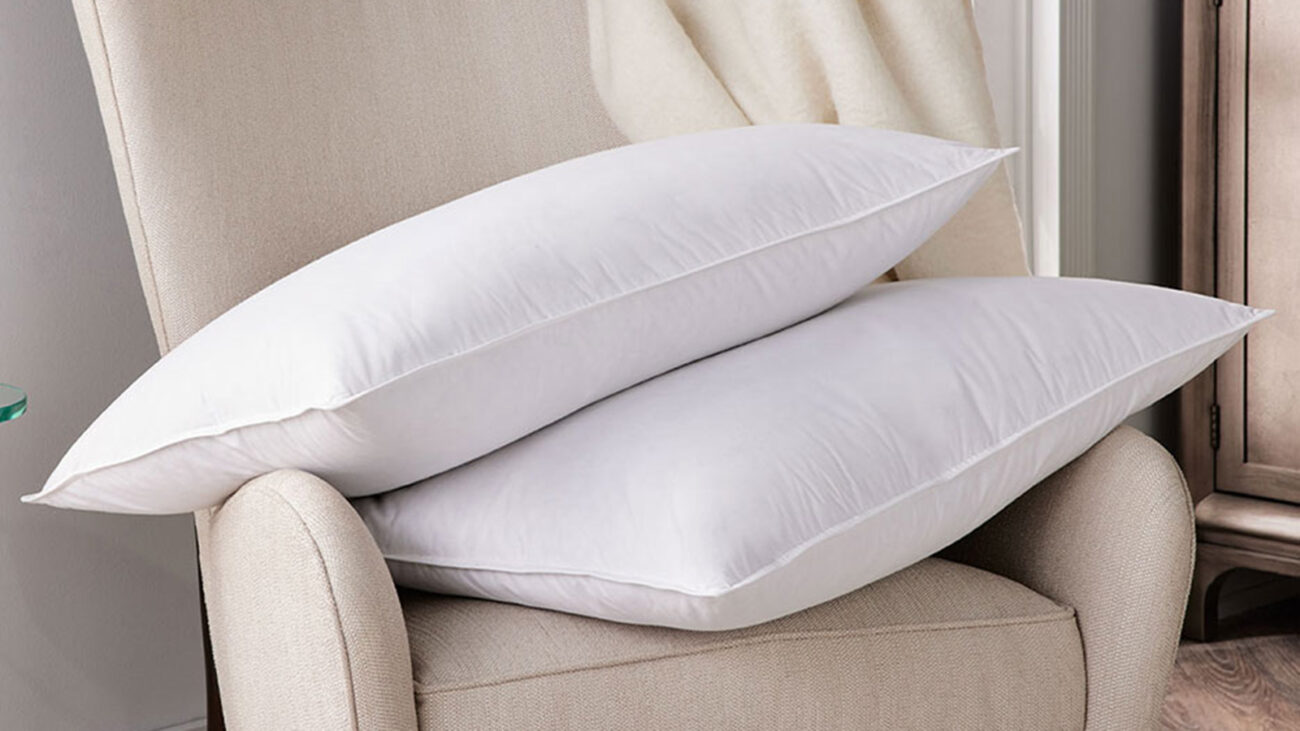
Hotel pillows are usually about plushness plus enough internal structure to avoid going flat instantly. Down and down-alternative are the closest match, but firmness selection is everything. If you’re a side sleeper, choose a firmer version or plan to stack a second pillow.
Try: Brooklinen or Parachute in the firmness that matches your position.
If you toss and turn
Combination sleepers do best with responsive materials that don’t trap you in one shape. Shredded foam, responsive foams, and certain hybrid designs can adapt as you move.
Try: Coop Home Goods (adjustable shredded foam), Casper (balanced responsiveness), Purple (buoyant support).
Practical tips that prevent buyer’s remorse
- Check the return policy before you buy. Pillows are personal, and even great brands won’t fit everyone.
- Measure your current pillow height. If you like it but it’s worn out, replacing “like for like” is easier than reinventing your sleep setup.
- Upgrade your pillowcase, too. A breathable cotton percale case can make a warm pillow feel more comfortable.
- Give it a few nights. New pillows can feel strange at first, especially if your old one was badly flattened.
For additional consumer-facing research and testing methodology, compare perspectives across outlets like Consumer Reports pillow coverage and Wirecutter, then filter the results through your own sleep position and temperature needs. That “triangulation” approach beats trusting a single list.
What “best” really means: materials, durability, and value
The best pillow brands in the USA aren’t always the most expensive, and the priciest model isn’t automatically the most supportive. “Best” usually means the brand reliably delivers one of these outcomes:
- Consistent support night after night (often foam or latex, or premium structured hybrids)
- Comfort that matches a specific feel (traditional down loft, plush down-alternative, buoyant grid, etc.)
- Durability (less clumping, less flattening, better cover construction)
- Transparent specs (clear loft, fill type, care instructions, and certifications where relevant)
If you’re balancing budget and performance, start by spending on the category that fixes your problem. Neck pain and alignment issues justify higher spend on support and adjustability (Tempur-Pedic, Coop, Saatva). If your priority is pure plush comfort, a well-chosen Brooklinen or Parachute pillow can feel luxurious without chasing every “tech” feature. For hot sleepers, Purple or latex-focused brands like Avocado can be worth it because temperature disruptions are hard to brute-force with a fan alone.

One last expert tip: If you routinely fold your pillow in half to get comfortable, that’s your body telling you the loft or support is wrong. Pick an adjustable pillow (Coop) or move to a higher-support material (latex or structured foam) rather than buying another fluffy pillow that collapses.
Conclusion: Choose your sleep position first, then pick the brand whose signature design solves your specific issue, whether that’s adjustability, cooling, contouring, or a classic hotel feel. Use the shortlist above to narrow it down, check the return policy, and commit to finding your true “right” pillow this week.