Hair issues don’t always start with shampoo. A lot of guys wash regularly, keep their scalp “clean,” and still deal with rough texture, dullness, frizz, or that stubborn wiry feel that makes styling a fight. Often the missing link is conditioner, not the heavy, perfumed kind you might remember from someone else’s shower shelf, but a targeted formula that hydrates, smooths, and protects without making hair limp or greasy. The good news: the best mens conditioner is less about hype and more about matching ingredients and usage to your hair type, water quality, and daily habits. In this guide you’ll learn what conditioners actually do, how to read a label like a pro, and how to pick a product that makes your hair easier to manage from the first week.
Table of Contents
What conditioner really does (and why men notice the difference fast)
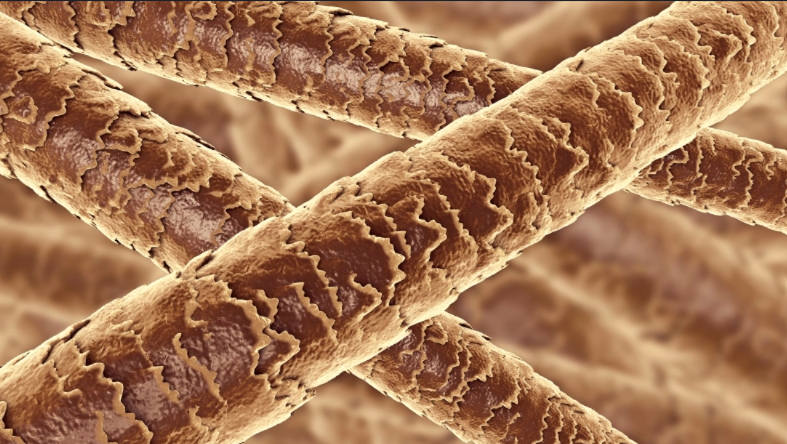
Conditioner is basically controlled “slip.” Shampoo removes sebum, sweat, and styling residue, but it can also leave the hair cuticle raised. When the cuticle is lifted, strands catch on each other, tangle, and look dull. Most conditioners help the cuticle lie flatter so hair feels softer and looks smoother. This is why people experience less frizz and fewer flyaways once they condition consistently.
At the ingredient level, many conditioners use cationic conditioning agents (positively charged compounds) that lightly bind to the negatively charged surface of damaged hair. That reduces static and improves combing. If you want a deeper overview of how hair products interact with hair structure, the American Academy of Dermatology’s hair care guidance is a solid starting point for evidence-based basics.
Men often notice the difference quickly because many men keep shorter styles, and short hair telegraphs texture problems immediately. A bit of dryness can read as “puffy” or “bristly,” and any friction from hats or helmet straps makes it worse. Conditioning cuts that friction.
Also, not all “mens conditioner” is the same category. You’ll see:
- Rinse-out conditioner: the everyday workhorse for softness and manageability.
- Co-wash or cleansing conditioner: cleanses gently, helpful for curls or very dry hair.
- Leave-in conditioner: lightweight moisture and protection, great for frizz or heat styling.
- 2-in-1 shampoo + conditioner: convenient, but usually weaker at conditioning than a dedicated product.
If your hair is dry or coarse, a dedicated rinse-out plus a small amount of leave-in can outperform any 2-in-1 without feeling heavy.
How to choose the best mens conditioner for your hair type
“Best” depends on the problem you’re trying to fix. Start with your hair type, then think about scalp needs and your environment (gym sweat, hard water, frequent styling). When you match the formula to the job, conditioner stops being optional and becomes a simple performance upgrade.
1) Fine or thinning hair: go light, prioritize volume-friendly slip
If your hair gets flat easily, you want a conditioner that detangles and smooths without heavy oils and waxy buildup. Look for words like “lightweight,” “volumizing,” or “for fine hair.” Ingredients that tend to feel lighter include panthenol (pro-vitamin B5), glycerin, and certain silicones in small amounts.
Silicones are not automatically bad. They can reduce friction and add shine. The key is keeping them balanced and clarifying occasionally if you use a lot of styling product. If you’re unsure, the NHS overview on hair loss is helpful to separate cosmetic thinning from medical causes worth checking.
2) Thick, coarse, or curly hair: go richer and think “moisture plus control”
Coarse and curly hair loses moisture faster because oils have a harder time traveling down the strand. Here, the best mens conditioner usually has richer emollients and more substantial conditioning agents. Look for shea butter, fatty alcohols (like cetyl or stearyl alcohol, which are moisturizing, not drying), and plant oils in sensible amounts. If your curls puff up, you want slip and moisture, then you lock it in with a leave-in or a curl cream.
A practical rule: if your hair squeaks after rinsing shampoo, it’s too stripped. Add a richer conditioner and reduce shampoo frequency.
3) Oily scalp but dry ends: condition strategically
This combo is common if you sweat often or wash daily. The fix is technique, not skipping conditioner. Apply conditioner from mid-length to ends, not directly on the scalp. Use a smaller amount, rinse well, and keep the shampoo focused on scalp only.
If you train hard, scalp oil can mix with styling products and create buildup. Consider a clarifying wash once every 1 to 2 weeks. Hard water can make buildup worse, so if your hair feels coated no matter what you do, a chelating shampoo occasionally may help.
4) Sensitive scalp or dandruff: calm the skin first
If your scalp is itchy or flaky, a conditioner that’s heavily fragranced can irritate. Choose fragrance-light formulas and avoid applying rich conditioner to the scalp unless it’s designed for it. For persistent dandruff, you’ll usually need a medicated shampoo (like ketoconazole, zinc pyrithione, selenium sulfide, or salicylic acid) and then a gentle conditioner on lengths. The AAD dandruff treatment guide lays out what tends to work and when to see a dermatologist.
Label reading: ingredients that matter (and what to ignore)
Marketing loves vague promises. Labels can actually tell you a lot if you focus on a few functional categories.
Conditioning agents (the “slip” builders)
These help detangle and reduce static. Common examples include behentrimonium chloride, cetrimonium chloride, and polyquaterniums. If your hair tangles or feels rough, you want at least one of these fairly high on the ingredient list.
Humectants (pull water in)
Glycerin, propylene glycol, and panthenol attract moisture. They are great for many hair types, but in very humid climates they can sometimes contribute to frizz if the formula doesn’t also include smoothing agents. If you live somewhere humid and frizz is your main complaint, pair humectants with emollients or a light silicone for control.
Emollients and oils (softness and sheen)
Shea butter, coconut oil, argan oil, and jojoba oil can be excellent for coarse hair, but too much can overwhelm fine hair. A good tip: if your hair looks greasy even when clean, choose a conditioner where oils appear lower on the list.
Proteins (strength, not always moisture)
Hydrolyzed keratin, wheat protein, and silk amino acids can help if hair is damaged from heat, bleach, or aggressive brushing. But protein overload can make hair feel stiff. If your hair is already coarse and feels crunchy, ease up on protein-heavy formulas and prioritize moisture.
Silicones (friction control)
Dimethicone and amodimethicone can make hair feel instantly smoother. They’re especially useful if you blow-dry or use hot tools. If you prefer silicone-free, you can still get slip, but you may need more frequent trims and a gentler detangling routine. For ingredient safety and function references, Cosmetic Ingredient Review provides detailed assessments that cut through fear-based claims.
How to use conditioner like you mean it (simple routine, better results)
You can buy an excellent conditioner and still get mediocre results if the technique is off. Here’s a routine that works for most men and takes less than two minutes.
- Wring out excess water: hair should be wet, not dripping. Too much water dilutes the product.
- Use the right amount: short hair: nickel size; medium: quarter; long/thick: two quarters.
- Apply to lengths first: start mid-shaft to ends. Add a tiny остаток near the crown only if needed.
- Give it time: let it sit 60 to 120 seconds while you wash your body or face.
- Rinse thoroughly, then stop touching it: over-fiddling creates frizz and breakage.
Two pro moves if you want your conditioner to work harder:
- Detangle in the shower: use fingers or a wide-tooth comb while conditioner is in. Less breakage, less pain.
- Cold-ish final rinse: not freezing, just cooler than hot. It can help hair feel smoother for some people.
Common mistakes that make a good conditioner feel “bad”
If you tried conditioner and hated it, one of these is usually the culprit:
- Putting it on the scalp: can make roots look oily fast, especially with fine hair.
- Using too much: more product doesn’t equal more hydration. It often equals residue.
- Rinsing too quickly: give it at least a minute to bind and smooth.
- Never clarifying: heavy styling products plus silicone-based formulas can accumulate. Clarify occasionally.
- Expecting it to fix split ends: conditioner can temporarily smooth damage, but split ends need trimming.
And one honest note: if your scalp is inflamed or shedding is sudden, don’t treat conditioner like a medical solution. It’s grooming, not a diagnosis. If you’re concerned, check guidance like the AAD causes of hair loss and consider a professional evaluation.
Quick picks: what “best mens conditioner” looks like in the real world
Rather than naming a single winner, use these “best for” profiles to shop smarter:
- Best for fine hair: lightweight conditioner with panthenol, modest conditioning agents, minimal heavy oils.
- Best for thick/coarse hair: richer formula with fatty alcohols, shea or plant oils, strong detangling agents.
- Best for curls: high slip, moisture-forward, optionally silicone-free if you prefer a softer curl pattern.
- Best for gym life: balanced conditioner plus a weekly clarify, especially if you use pomade or clay.
- Best for sensitive scalp: low fragrance, gentle base, apply to lengths and keep scalp care focused on medicated shampoo if needed.
When you compare products, ignore “for men” as the primary decision factor. Focus on performance: slip, weight, residue, and scalp tolerance. If you can, buy travel sizes first and test for two weeks with the same shampoo and styling product to get a clean read on results.
Conclusion: The best mens conditioner is the one that fits your hair type, solves your main complaint, and works with a routine you’ll actually follow. Pick a formula with the right level of moisture and slip, use it correctly for a week, and adjust from there. Upgrade your shower lineup today and make your next haircut easier to style, not harder.

Writer with a background in ergonomics. Enjoys reviewing and discussing home furniture & clothing , that’s comfortable and supportive for the entire family.