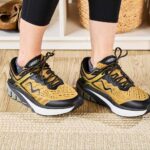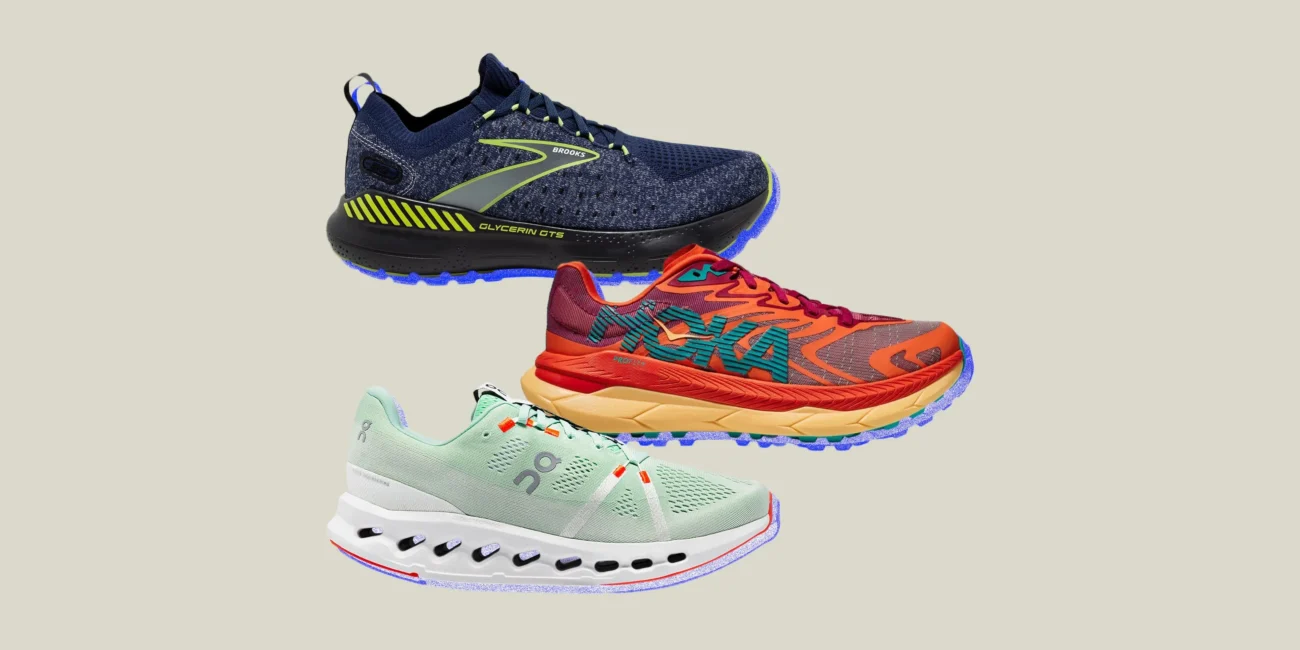
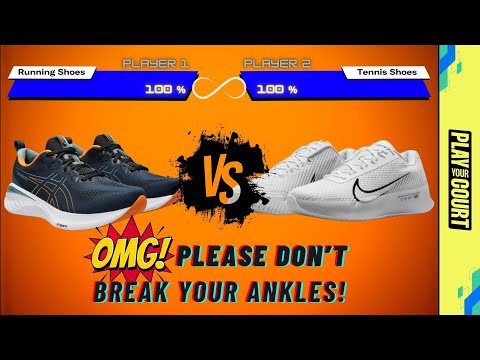
Lots of runners have a pair of tennis shoes sitting by the door and a simple thought: “These feel supportive, so they should work for a quick run.” Sometimes you get away with it. Other times you end up with hot spots under the forefoot, cranky knees from a stiff platform, or ankles that feel oddly “tugged” after every corner. That is not bad luck, it is biomechanics. Tennis shoes are built for abrupt lateral cuts and hard court traction; running shoes are tuned for repetitive forward motion and impact management. The good news: a few tennis models translate surprisingly well to running, especially for short miles, treadmill sessions, and run-walk routines. In this guide you will learn what to look for, which tennis-style designs can work, and when to stop forcing it and switch to true running footwear.
Table of Contents
Why tennis shoes and running shoes feel similar but behave differently
Tennis and running both demand stability, cushioning, and durability, so the overlap is real. But the way those features are delivered is different. Tennis shoes prioritize side-to-side containment to keep your foot from sliding over the edge of the midsole during a cut. That usually means a lower stack height, firmer foam, and a wider, flatter base. Running shoes often use softer foams and geometry that encourages forward roll, sometimes with a higher stack and a more pronounced rocker.
Start with the outsole. Tennis outsoles are designed to grip and release on hard courts while resisting abrasion in toe-drag zones. That rubber can feel “sticky” on asphalt, and the pattern can hold small stones, which becomes annoying during runs. For a sense of how brands test court outsoles and why durability matters, check the footwear notes and testing philosophy at Tennis Warehouse.
Next is torsional rigidity. Many tennis shoes are stiffer through the midfoot to help with quick changes of direction. When you run, that stiffness can either feel stable and efficient or it can fight your natural gait, especially if you like a flexible forefoot. Finally, consider heel-to-toe drop. Tennis shoes often sit lower and flatter. Some runners love that, but if your calves are not conditioned for it, even a “short easy run” can turn into tight Achilles tendons the next day. If you want a quick refresher on injury warning signs and safe training progression, the guidance at Mayo Clinic is a solid baseline.
What makes a tennis shoe decent for running (and what makes it a bad idea)
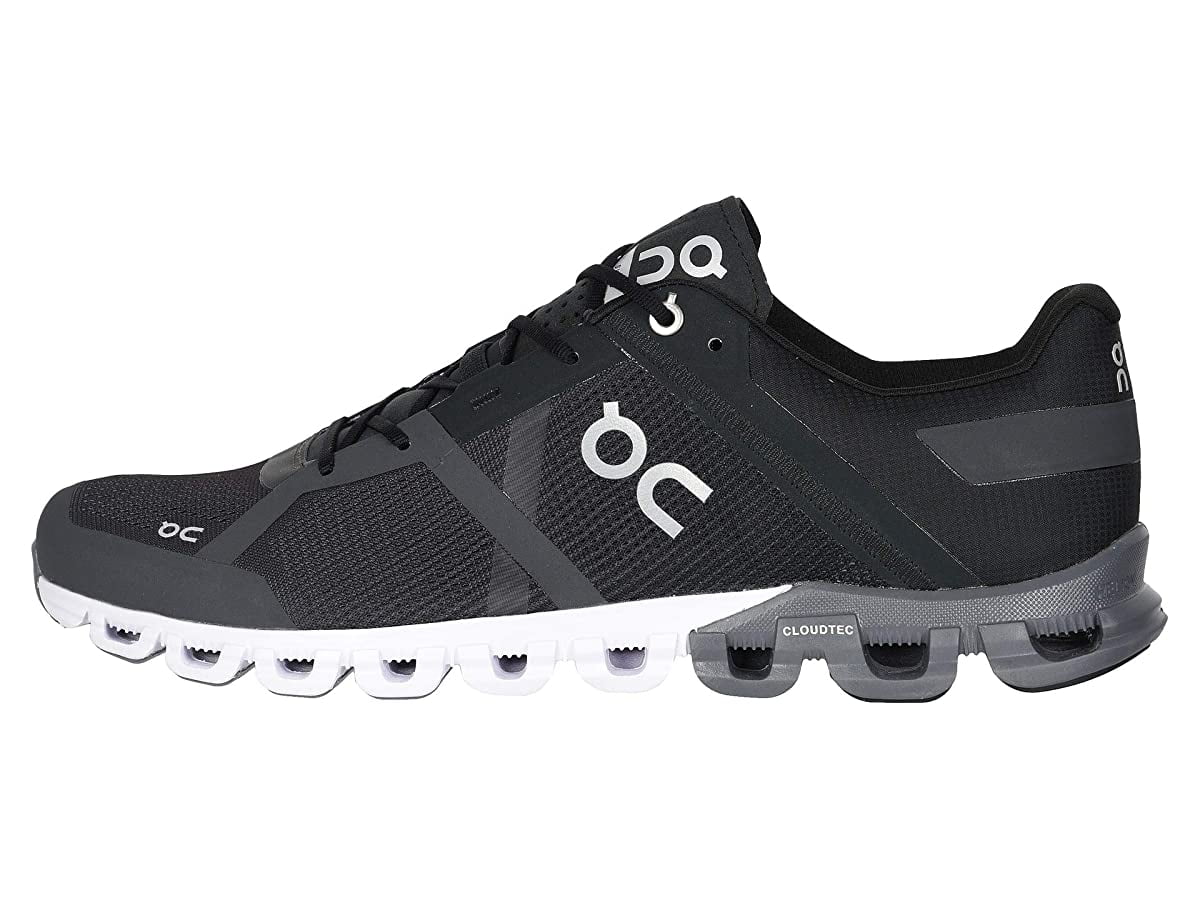
If you are determined to run in tennis shoes, pick your battles. The best tennis shoes for running are usually the ones that feel a bit more “neutral” and less like armored court gear. Use this checklist before you log miles:
- Cushioning that is forgiving but not mushy: Look for a midsole that absorbs impact without feeling like a brick. A moderately cushioned platform is ideal for short runs.
- Reasonable weight: Many high-stability tennis shoes are heavy. For running, lighter usually feels smoother and reduces fatigue.
- Minimal toe-drag reinforcements: Extra rubber on the medial toe is great for tennis slides, but it adds weight and can create pressure points when running.
- Clean heel hold: If your heel lifts, you will likely get blisters fast. A secure heel counter and good lacing options matter more than brand names.
- A outsole that does not “grab”: Some court rubbers can feel too tacky on pavement. You want predictable traction, not abrupt stopping.
Now the red flags. Avoid running in tennis shoes if you are doing long runs (for most people, anything consistently over 4 to 5 miles), speedwork, or if you have a history of Achilles issues or plantar fasciitis. The flatter profile and firmer ride can be a stress multiplier when volume climbs. Also think about your running surface. Treadmills are forgiving and consistent, which makes them the safest place to experiment. Rough pavement amplifies every mismatch in cushioning and geometry.
Practical tip: do a “20-minute audit run.” Run easy for 10 minutes, then include 2 short pick-ups of 20 to 30 seconds, then cool down. If you feel sharp pressure under the forefoot, unusual ankle strain on turns, or heel slip, stop trying to make that shoe work.

Top tennis-style picks that can work for running (and what each is best for)
Important honesty: if your main goal is running performance, a true running shoe is the better tool. But if you need one pair for mixed use or you already own tennis shoes and want something runnable, these types of models tend to translate best. Instead of claiming a single “best,” think in categories. The point is to match the design to your running needs.
1) Lighter, flexible hard-court models for short easy runs
Some hard-court tennis shoes are built with a relatively responsive foam and less bulky upper. These can feel surprisingly fine for 2 to 3 miles at an easy pace, especially if you prefer a stable, low-to-the-ground ride. They are also good for run-walk routines and travel workouts where you want one pair in your bag.
Who should choose this: runners who value stability, do occasional running, or want a shoe for gym plus short runs.
Watch out for: forefoot stiffness and hot spots where tennis uppers have denser overlays.
2) “Comfort-first” tennis shoes with more cushioning for treadmill and recovery jogs
Some tennis lines lean into comfort with softer foams and plush collars. While they will never feel like a modern max-cushion running shoe, they can be kind enough for recovery jogs on a treadmill or smooth path. The key is that the cushioning should compress evenly under a steady stride, not feel lumpy or overly firm at the heel.
Who should choose this: heavier runners who want impact damping for short sessions, or anyone who mostly runs indoors.
Watch out for: heavy builds. A cushy tennis shoe can still be a tank.
3) Stable tennis shoes for runners who overpronate slightly (only at low mileage)
Many tennis shoes have built-in stability through a broad base and structured upper. If you mildly overpronate, that can feel reassuring. But stability in tennis footwear is designed for lateral containment, not the same guidance strategy you see in dedicated stability running shoes. Treat it as “extra structure,” not a medical solution.
Who should choose this: people who like a planted feel and only run a few miles per week.
Watch out for: rigid midsoles that make your calves and feet work harder than expected.
Want a reality check? Compare any tennis shoe you are considering to a known running benchmark. Browse current road-running models and specs at Running Warehouse and look at weight, stack, and intended use. If your tennis shoe is significantly heavier and flatter, keep your runs shorter.
How to make tennis shoes safer for running: fit, lacing, and transitions
You can reduce risk with smart setup. First, confirm sizing. Tennis shoes are often bought snug to improve control, while running shoes typically need a thumb’s width of space in front of the toes to handle swelling. If your tennis shoes feel tight in the toe box while standing, they will feel worse after 20 minutes of running.
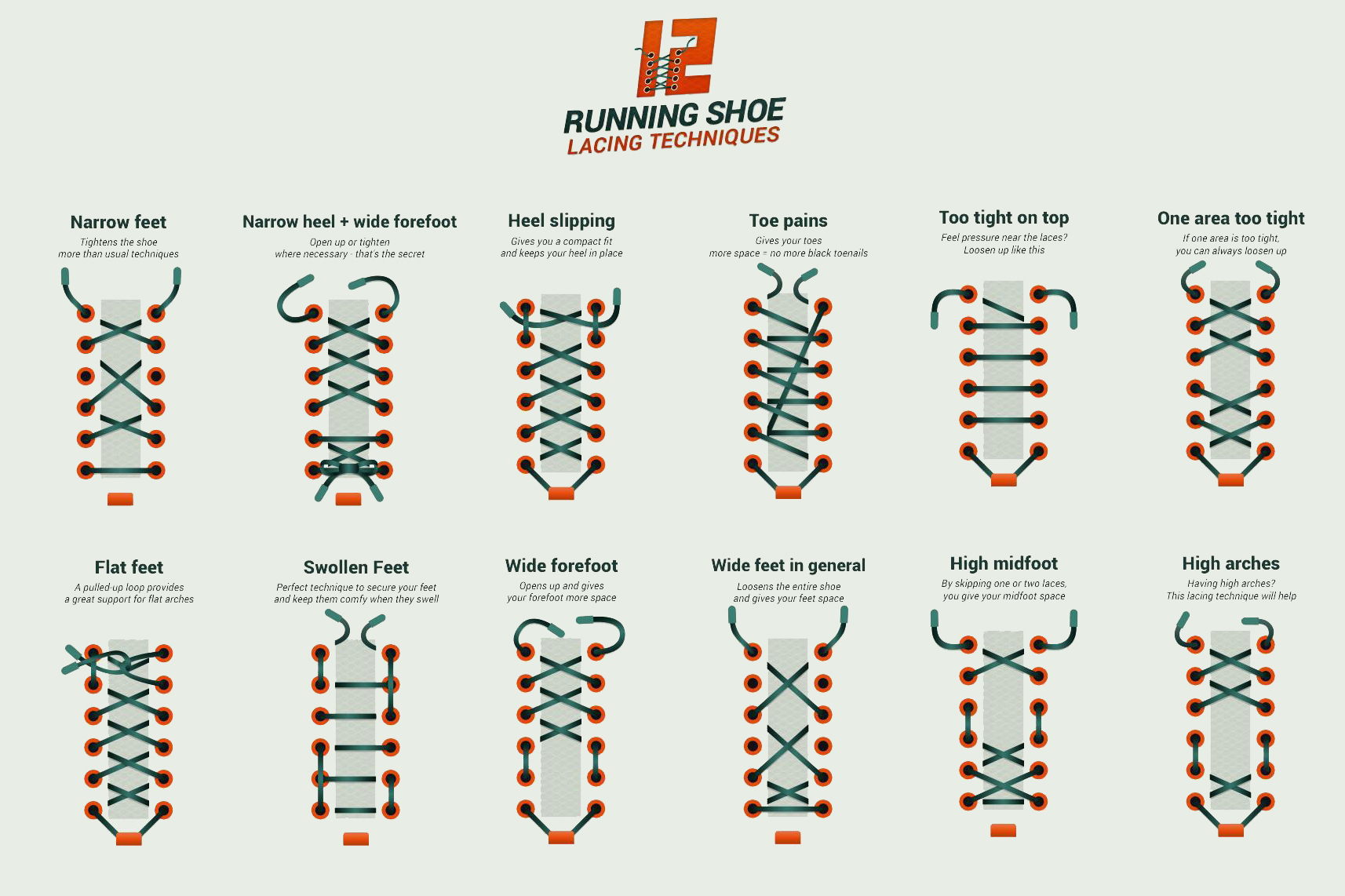
Second, use lacing to lock the heel. A simple runner’s loop (heel lock) can reduce heel lift and blisters. Many tennis shoes have enough eyelets to do it. If you are not sure how, this illustrated guide from Lock Laces shows the steps clearly.
Third, transition gradually. If you normally run in cushioned running shoes and switch to firmer tennis shoes, treat it like a footwear change, because it is. Start with 1 to 2 short runs per week, keep intensity low, and pay attention to calves and the bottoms of your feet. Soreness that improves with easy movement is normal. Sharp pain, limping, or soreness that worsens each run is your cue to stop.
Finally, pick the right session. Tennis shoes are most runnable for:
- treadmill easy runs
- hotel gym workouts
- short neighborhood loops on smooth pavement
- strength training days with a short warm-up jog
They are least suitable for long runs, intervals on the track, and any workout that requires efficient forward roll. If your goal is to train for a 5K or beyond, consider dedicating a proper running shoe to that job. Your body will notice the difference even if your brain wants to keep things simple.
When to stop trying and buy real running shoes
Here is the cleanest rule: if you are running more than 10 to 12 miles per week consistently, or you are training with structure (tempo runs, intervals, long runs), get running shoes. The repetitive impact of running rewards purpose-built cushioning and geometry. Tennis shoes can feel “fine” until they do not, and the tipping point often shows up as nagging Achilles tightness, plantar irritation, or knee discomfort that you did not have before.
Also upgrade if you notice uneven wear. Tennis shoes often wear differently because of court movement patterns, and that can create a weird platform for running. If the outsole is shaved down on one side or the midsole feels collapsed, retire them from running duty.
Bottom line: If you want the best tennis shoes for running, choose a lighter, more cushioned, less armored court model, keep your runs short, and monitor how your body responds. Then, when running becomes a habit, reward that habit with real running shoes. Take a look at your current pair, run the 20-minute audit, and decide this week whether you are optimizing for convenience or for comfort and longevity.

Writer with a background in ergonomics. Enjoys reviewing and discussing home furniture & clothing , that’s comfortable and supportive for the entire family.