Choosing the best climbing shoes feels deceptively simple until you are halfway up a route, your toes are burning, and your feet keep skittering off holds that looked positive from the ground. The problem is not that you are “bad at footwork” (although we can all improve). It is often that the shoe does not match your climbing style, foot shape, or the terrain you actually climb. A hyper-aggressive downturned model can feel like a weapon on steep boards, then turn into torture on long pitches. A comfy flat shoe might cruise all day in the gym, then fold on tiny limestone edges outdoors. This guide cuts through the noise with practical selection rules, fit tips that really work, and model categories that make sense, so you can buy smarter and climb better.
Table of Contents
What “best” really means: match the shoe to the job
There is no single best climbing shoe. There is a best shoe for your mix of terrain, foot shape, and tolerance for tight performance fit. Before brands, start with use-case. When you align design with the demands of the climb, technique suddenly feels easier: you trust your feet, weight them sooner, and waste less energy.
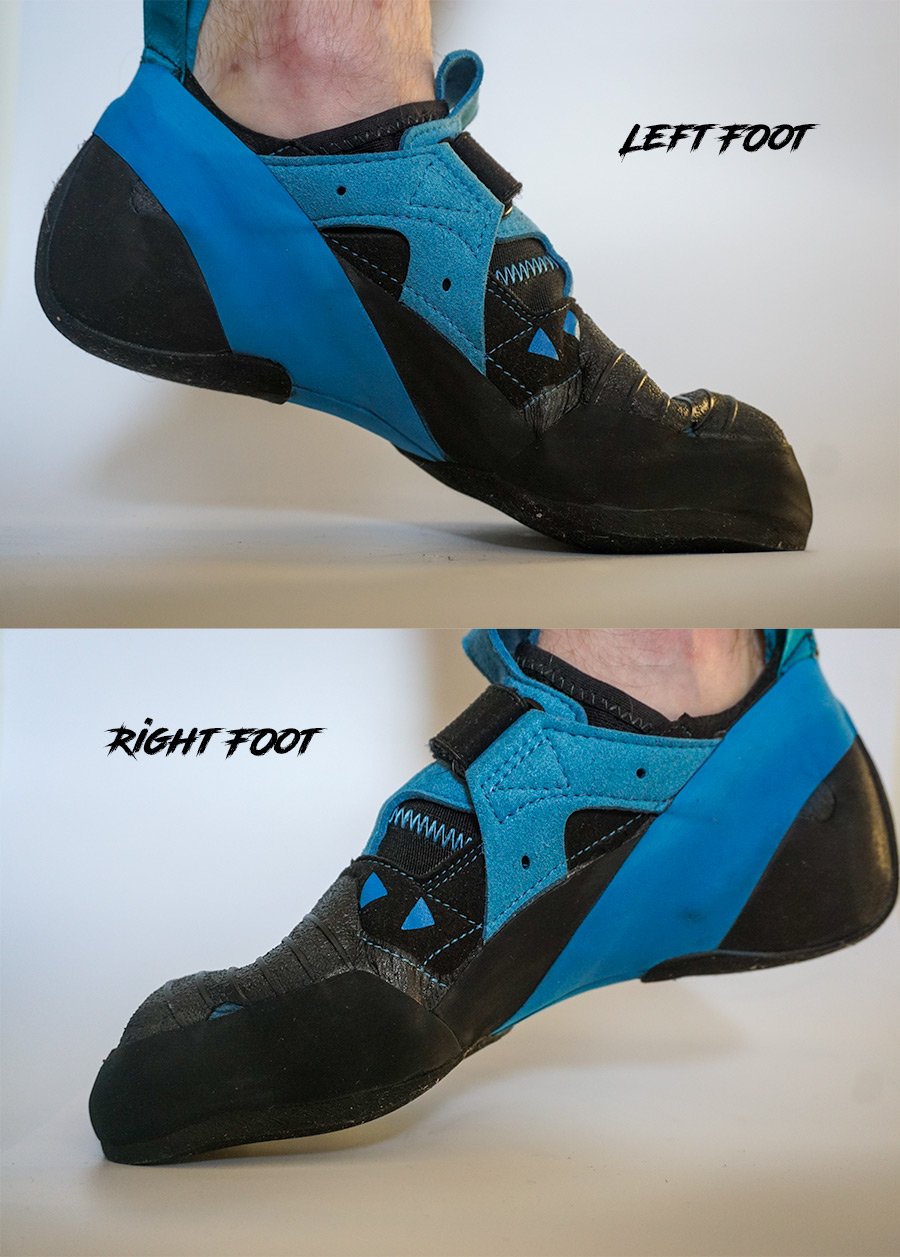
Shape and profile drive how a shoe performs:
- Flat or neutral: more comfortable, great for beginners, gym mileage, and long trad or multi-pitch days.
- Moderate downturn: a versatile sweet spot for bouldering and sport routes with some steepness.
- Aggressive downturn: built for overhangs, toe hooks, and pulling with the feet on steep terrain.
Asymmetry matters too. More asymmetric shoes focus power onto the big toe for precision on small holds, but they can feel harsher if your foot shape does not agree. If you are not consistently standing on tiny edges or pulling hard on steep terrain, extreme asymmetry can be overkill.
Stiff vs soft is the other big lever:
- Stiffer shoes support your foot on micro-edges and pockets, reduce calf fatigue, and feel stable on limestone and granite edging.
- Softer shoes smear better, flex around volumes, and provide sensitivity for gym climbing and modern bouldering.
If you want a technical baseline for rubber compounds and how they are tested, the Vibram rubber technology overview is a useful reference (many top models use Vibram XS Edge or XS Grip). For broader context on fit and general shoe types, see the REI climbing shoe guide.
Fit that actually works: precision without self-sabotage
Fit is the performance multiplier, but it is also where most people make expensive mistakes. The goal is a shoe that is snug, precise, and secure, not a shoe that turns your feet numb in five minutes. Pain does not equal performance if it forces you to down-climb early or avoid using your toes.
Use these checkpoints in the store (or at home if you order online):
- No dead space in the heel. If the heel lifts while you walk or when you pull up on a heel hook motion, you will lose power and peel on hooks.
- Toes engaged without being crushed. In performance shoes, toes often sit slightly bent, but you should still be able to stand on tiptoe without sharp hot spots.
- Even pressure, not one stabbing point. A single pressure point usually means the last does not suit your foot shape.
- Closure locks you in. Velcro is quick and great for bouldering laps; laces offer micro-adjustments for odd feet or long routes.
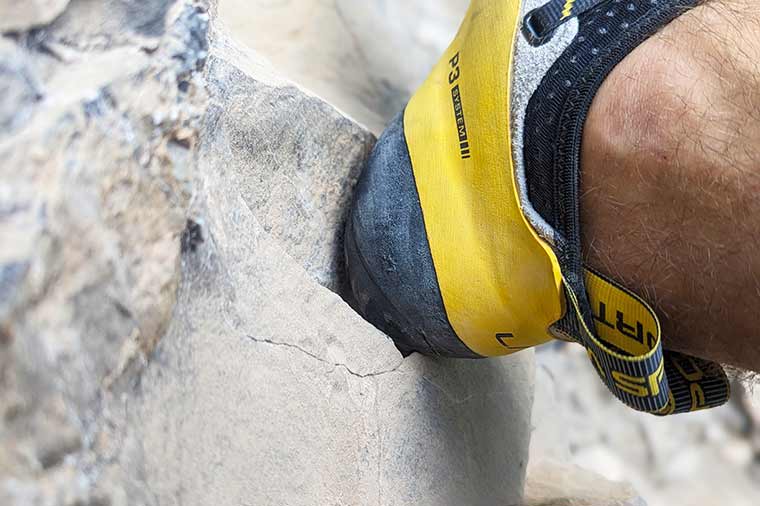
Break-in reality check: Most modern shoes break in a little, not a lot. Unlined leather tends to relax more than synthetic uppers, but you should not buy a pair that feels unwearable and hope it becomes comfortable. A good rule: if you cannot keep them on for 10 to 15 minutes standing and doing light edging movements, size or model is likely wrong.
Sizing across brands is messy. Ignore the number and focus on fit. If you can, order two sizes and return one. If you cannot, choose a model known for accommodating your foot type: wider forefoot, narrow heel, high instep, or low volume. Many “LV” versions are not just smaller, they are shaped differently and can solve heel bagginess for slimmer feet.
Pro tip: Bring your climbing socks if you ever wear them (some trad climbers do), or commit to barefoot fitting if that is how you climb. Switching later changes everything.
Best climbing shoes by category (and who they suit)
Instead of pretending one shoe wins, use categories the way experienced climbers do. Below are the buckets that cover most needs, plus what to look for so you can pick a model confidently.

1) Best for beginners and all-day comfort
What you want: neutral profile, decent rubber, comfortable toe box, and a closure that is easy to learn in. Beginner shoes should help you practice footwork without constant foot pain. Look for a slightly thicker rubber (often around 4 to 5 mm) for durability while your technique is still developing.
Who it suits: new climbers, frequent gym sessions, top-rope mileage, and anyone who values comfort over maximum precision.
Buying advice: Choose snug but not brutal. If you are improving quickly, consider a moderate shoe as a second pair rather than downsizing a beginner shoe into misery.
2) Best for gym bouldering and modern competition style
What you want: soft midsole, sticky rubber, excellent toe patch for toe hooks, and a secure heel for aggressive heel hooks. Many gym-focused shoes have extra rubber over the toe box because indoor problems demand toe scums and hooks constantly.
Who it suits: boulderers, board climbers, and anyone who climbs on volumes, fiberglass holds, and steep terrain.
Buying advice: Prioritize heel fit and toe rubber coverage. If the heel is sloppy, no amount of “better rubber” will save your hooks.
3) Best for sport climbing on edges and pockets
What you want: supportive platform, strong edging, stable toe, and enough downturn to stay powerful on steeper sections without folding. Stiffer models can feel less sensitive, but they let you relax your calves on long sequences of tiny footholds.
Who it suits: limestone and granite sport climbers, vertical to slightly overhanging routes, and climbers projecting routes where footholds are the crux.
Buying advice: If you regularly stand on dime edges, go a bit stiffer. If your cruxes involve smears and weird volumes, go a bit softer.
4) Best for trad, cracks, and multi-pitch days
What you want: comfort, flatter profile, and a shape that jams without screaming. Laces often shine here because you can tune fit for a long pitch and loosen them between climbs. Durability matters, because granite cracks eat shoes.
Who it suits: crack climbers, multi-pitch climbers, and anyone spending hours on the wall.
Buying advice: Do not over-downturn. A slightly roomier fit can be the difference between enjoying a long day and suffering through it.
Materials, rubber, and construction details worth caring about
The small construction choices add up to real performance differences. You do not need to memorize every spec, but you should know what you are paying for.
Upper materials:
- Leather often molds to your foot and can stretch more. Great if you want a custom feel, but account for break-in.
- Synthetic tends to keep its shape and sizing more predictably, often better for precise fit out of the box.
Rubber: Stickier rubber usually wears faster, especially if you drag your feet. If you are still learning, a slightly firmer compound can be a smarter buy. If you are projecting hard boulders, prioritize friction and accept resoles as part of life. To understand when and how to resole, the Lone Peak shoe resoling guide is a solid practical overview.
Rand and toe patch: If you toe hook a lot, more rubber over the toe is not a gimmick. It improves friction and protects the upper. If you never toe hook, you might prefer a cleaner, lighter design.
Midsole and tensioning: A supportive midsole helps edging; tensioning systems help a downturned shoe keep its shape over time. If an aggressive shoe loses its downturn quickly, it can start to feel vague on steep terrain.
How to buy smarter: a quick decision framework
If you want the “best climbing shoes” for your actual life, make the decision in this order:
- Terrain: gym, bouldering, sport, trad, or mixed?
- Fit: heel security and toe comfort before anything else.
- Stiffness: edging support vs sensitivity.
- Features: toe rubber, closure type, low volume options.
- Budget and resoling: plan to resole good shoes instead of replacing them.

Two-pair strategy (the quiet secret): Many experienced climbers stop searching for one perfect shoe and instead keep two: a comfortable pair for volume and warm-ups, and a performance pair for projects. This reduces wear on your “good” shoes and keeps your feet happier, which indirectly improves performance because you climb longer and with better focus.
Care tip: Let shoes dry fully between sessions, but avoid baking them in direct heat. Odor and delamination both get worse when shoes stay damp in a closed bag.
Technique tip: If you are slipping, do not instantly blame rubber. Check if you are placing the shoe precisely on the edge, then loading it smoothly. A supportive shoe can hide sloppy footwork, but good habits make every shoe feel better.
Conclusion
The best climbing shoes are the ones that fit your foot like a glove, match the terrain you climb most, and let you trust your feet when it counts. Use the categories above, prioritize heel and toe fit, and do not be afraid to build a two-pair system. Pick your next pair with intention, then get on the wall and put them to work.

weapons and military expert