
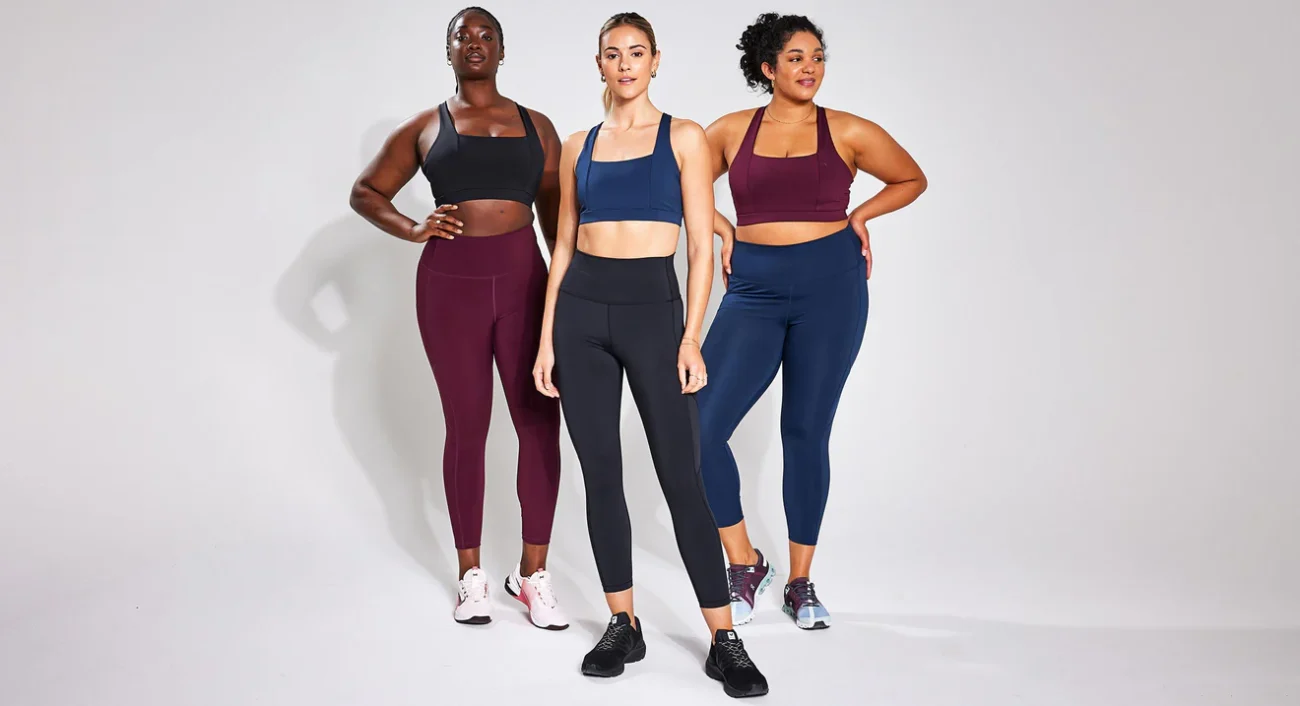
You can buy almost any “athletic” pant and still end up annoyed five minutes into a workout: fabric that clings once you sweat, waistbands that roll, knees that bag out, pockets that bounce, or seams that rub exactly where you do not want friction. The tricky part is that “sports” is not one activity. The best pants for sports depend on motion patterns, heat output, surface contact, and whether you need storage, compression, or weather protection. This guide breaks down the options like a gear editor would: what materials actually do under stress, which cuts work for lifting versus running, and how to spot quality without memorizing brand slogans. By the end, you will know what to buy for your sport, how it should fit, and what features are worth paying for.
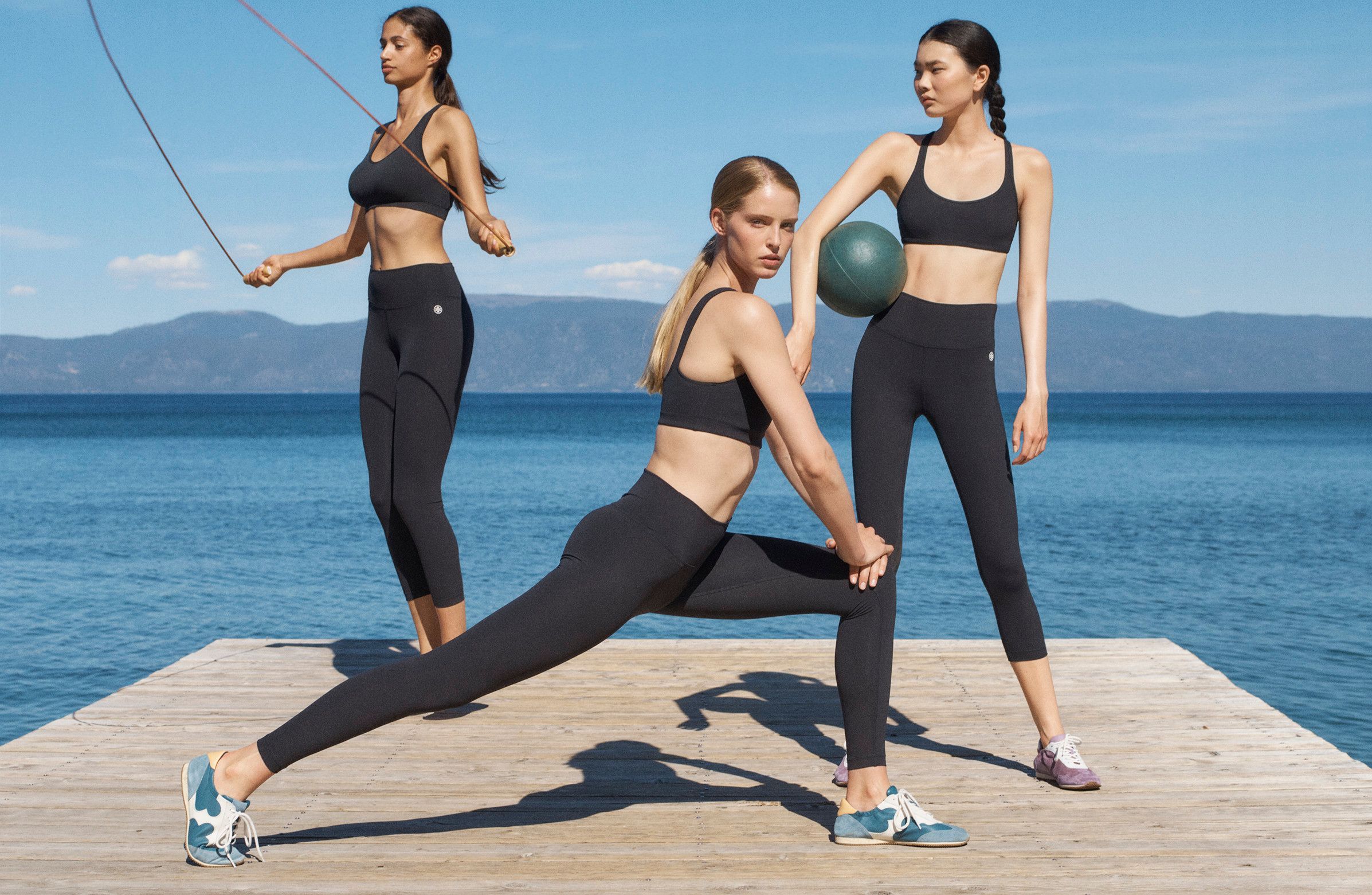
Table of Contents
What “best” means: fabric, fit, and the details that matter
The fastest way to choose great sports pants is to stop thinking in categories like “joggers” or “track pants” and start with performance variables: moisture management, stretch and recovery, abrasion resistance, and temperature control. Sports pants are basically a system: fabric + patterning + construction. When those three align with your activity, comfort becomes automatic.
Fabric is the engine. Most high-performing options rely on polyester or nylon blends because they move moisture and dry quickly. If you want a science-based explanation of why some fibers feel drier than others, see REI’s guide to moisture-wicking and base layers, which breaks down how synthetics differ from cotton in sweat-heavy situations. Cotton can feel great at rest, but it holds water and gets heavy, which is why it is a poor choice for high-sweat training or cold-weather runs.
Stretch and recovery matter more than raw stretch. Look for a blend with elastane (often 8 to 20 percent in tights, 3 to 10 percent in woven training pants). Recovery is the “snap back” that prevents knees from bagging or the seat from sagging.
Fit should match the movement. For dynamic sports, you want a cut that follows the body without restricting it. That usually means tapered legs (less fabric to snag), room at the thigh for lunges or strides, and a waistband that stays flat under motion. If you ever feel the waistband migrating, the rise is likely wrong for your torso or the elastic is too soft.
Construction details decide whether you love or hate a pant:
- Flatlock or bonded seams reduce chafing, especially in tights and close-fitting joggers.
- Gusseted crotch improves mobility and reduces seam stress during squats and sprints.
- Zippered pockets keep keys and cards from turning into a metronome while you run.
- Articulated knees help in hiking, court sports, and warmups where you bend repeatedly.
- Ankle zips make it easier to pull pants on over shoes for track sessions or travel.
One more detail that separates good from great: hand feel under sweat. Some fabrics feel slick and cool; others get sticky. If possible, try bending, stepping up, and doing a deep squat in a fitting room. If it creases sharply behind the knee and stays there, it is more likely to feel clingy when wet.
Best pants by sport: pick your lane, then pick your features
Different sports punish clothing in different ways. Here is how to match pants to the job, with a few practical “buy this, avoid that” cues.
Running (road and treadmill)
Runners benefit from tights or lightweight tapered pants that do not flap, with secure storage and reflective details if you run outside. In cool weather, brushed interior tights or hybrid pants (woven front panel, knit back panel) strike a good balance: wind protection up front, stretch and venting where you need it.
Look for: wide waistband, minimal seams, phone pocket that grips, and reflective hits. If you run outdoors, check guidance from Runner’s World on cold-weather layering to understand when pants beat shorts and when layering is smarter than going thicker.
Strength training and gym workouts
For lifting, you want mobility plus stability. Many people prefer joggers or training pants with a gusset and enough thigh room to squat. Heavy compression is optional: some lifters like compression tights for proprioception, while others find them restrictive under maximal effort.
Look for: four-way stretch, durable knit or double-knit, squat-friendly rise, and a waistband that stays put when you brace. If you do Olympic lifts or deadlifts, avoid slick fabrics that slide on benches unless you like repositioning every set.
Basketball and court sports
Explosive lateral movement calls for room through the hips and thighs and a fabric that breathes. Warmup pants with snaps can be convenient, but for play you typically want shorts. If you do wear pants for training drills, choose tapered legs to reduce snagging and make sure the fabric does not restrict side-to-side motion.
Look for: stretch woven fabric, venting, and reinforced seams at high-stress points.
Yoga, Pilates, and studio work
Here, comfort is king and seams become loud. The best pants are high-rise tights or flared leggings with soft, matte fabric that stays opaque in deep bends. Studio pants should feel like a second skin, with no waistband dig and no “sheen” that turns transparent under stretch.
Look for: high-rise, soft compression, minimal front seam if you are sensitive, and wide waistband. For fabric performance basics, Wirecutter’s workout clothing guide has a useful breakdown of what matters and what is mostly marketing.
Hiking and outdoor training
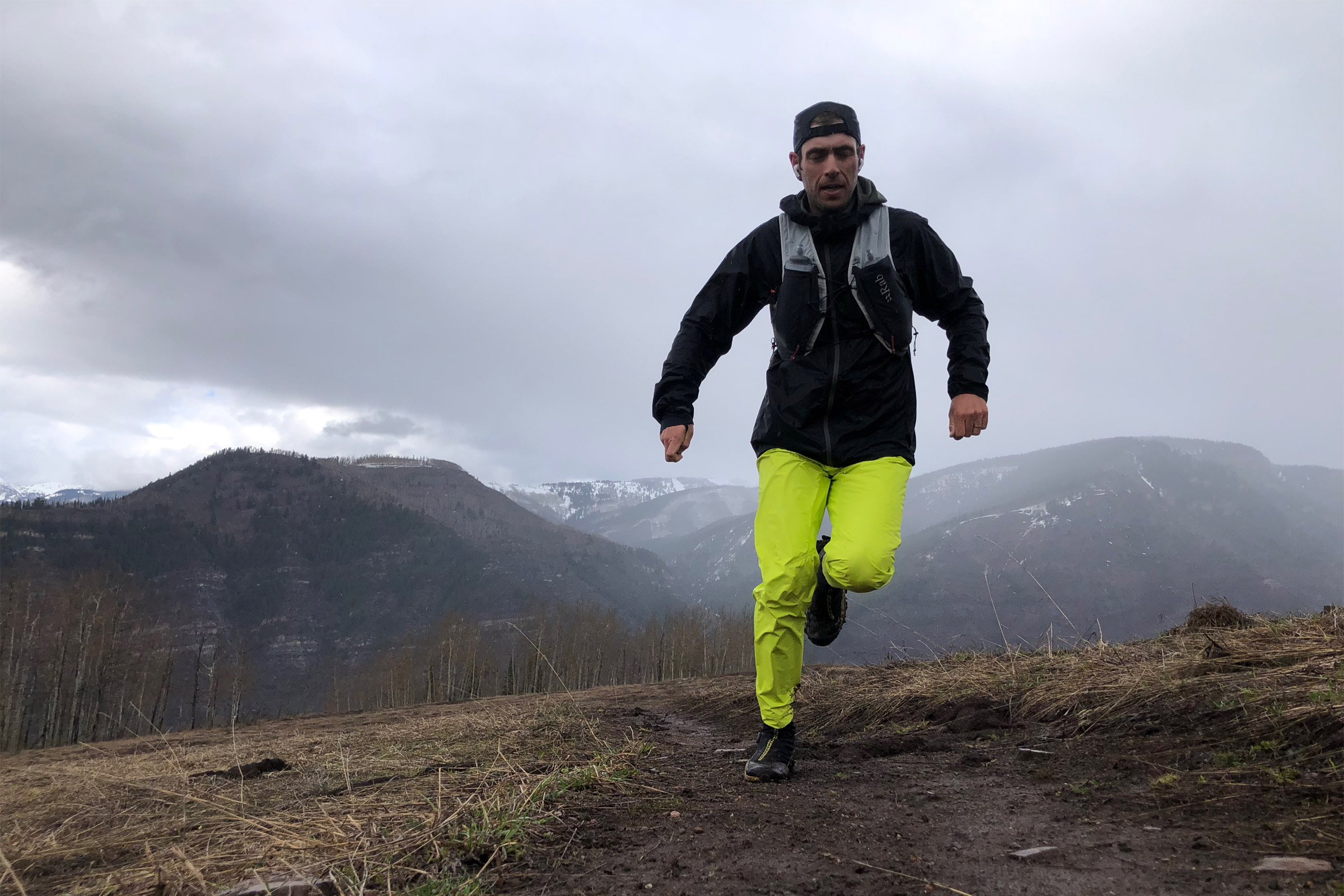
Outdoor pants live or die by abrasion resistance, wind management, and smart pocket placement. Softshell-style pants are excellent for cool, windy trails; lighter nylon stretch pants win for warm conditions. A little DWR (durable water repellent) helps with drizzle and brush, but no pant is truly waterproof without sacrificing breathability.
Look for: nylon stretch, articulated knees, zip pockets, and a cuff that works with boots. For layering and weather logic, OutdoorGearLab’s hiking pant testing is a strong reference point for how fabrics behave in the real world.
Materials and builds: tights, joggers, track pants, and hybrids
Once you know your sport, you can pick the build that matches it. The same person might need two or three styles across the week. That is normal and often cheaper than buying one “do everything” pant that does nothing perfectly.
Tights and leggings
Best for: running, yoga, HIIT, layering under shorts or hiking pants.
Why they work: close fit reduces chafing and aerodynamic drag; compression can reduce bounce and keep pockets stable.
Watch-outs: cheap fabric goes sheer. Prioritize opacity, especially if you train in bright gyms or outdoors. Also, tights with too much compression can feel great for 10 minutes and exhausting at minute 40.
Joggers
Best for: lifting, warmups, casual training, travel.
Why they work: tapered legs plus flexible fabric give mobility without the “tight” feel. They also transition well from gym to errands.
Watch-outs: cuff tightness. If the cuff is too snug, it can trap heat or limit ankle mobility. If it is too loose, it rides up and bunches.
Track pants and woven training pants
Best for: team warmups, windy conditions, commuting to practice.
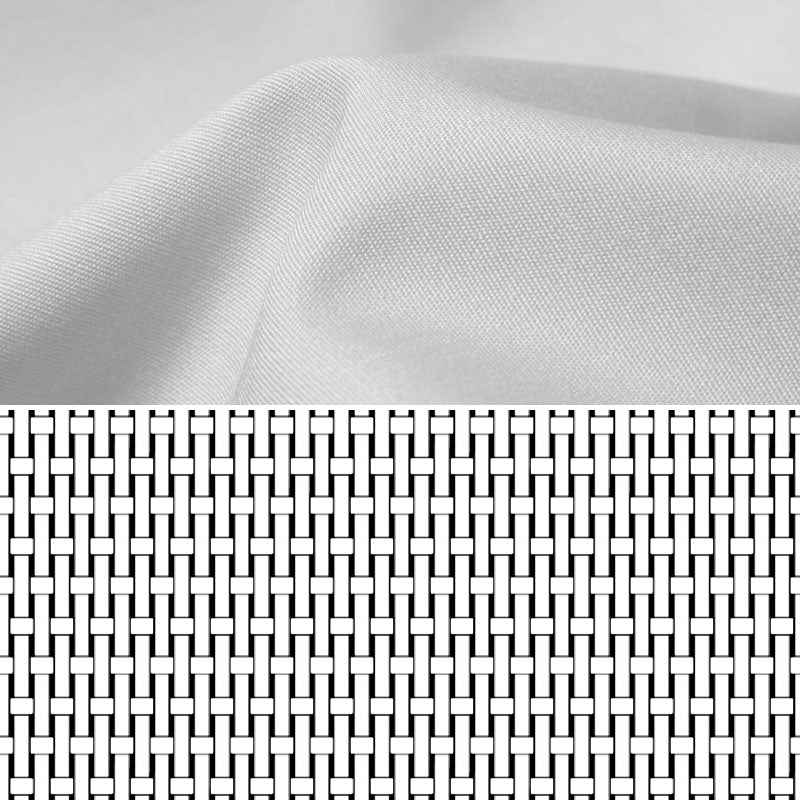
Why they work: woven fabrics block wind and slide easily over base layers.
Watch-outs: noise and breathability. Some wind-blocking weaves sound like a snack wrapper and can overheat fast during hard efforts.
Hybrid pants
Best for: mixed sessions, outdoor intervals, athletes who run and lift.
Why they work: paneling targets protection and breathability: woven where wind hits, knit where you sweat.
Watch-outs: complicated seams. More panels mean more seam lines, which can irritate if poorly placed.
How to choose the right pair in 5 minutes (and avoid common mistakes)
If you are shopping online, use this quick checklist to avoid returns and disappointment.
- Start with your hottest session. If you do HIIT or run hard, prioritize breathability and sweat management. If you mostly lift, prioritize stretch and durability.
- Check the fabric blend. Polyester or nylon with elastane usually wins. Avoid high cotton content for high-sweat sports.
- Look for a gusset and quality seams. Flatlock seams are a comfort upgrade you notice immediately.
- Validate pocket design. For running, you want pockets that hold tight. For gym use, open pockets can be fine, but deep pockets prevent phone slip during lunges.
- Choose the right length. Full length for cold or abrasive environments, 7/8 length to avoid bunching, ankle zips for easy layering.
Two mistakes show up constantly. First: buying pants too warm because you hate feeling cold at the start. You will heat up. Aim for “slightly cool” in the first five minutes, especially for running. Second: ignoring waistband engineering. A great fabric cannot save a weak waistband. If the waistband folds when you sit, it will fold when you move.
Care also affects performance. Fabric softener can reduce wicking and make technical fabrics feel clammy. Many brands advise skipping it; you can see the broader rationale in guides like Patagonia’s care instructions for technical gear, which apply to many performance textiles even beyond jackets.

Bottom line: the best pants for sports are the ones that disappear when you move: no tugging, no overheating, no pocket bounce, no chafe. Pick the build that matches your sport, demand good fabric and seam work, and you will feel the difference in the first session. Now choose one pair optimized for your primary workout and put it to the test this week.

weapons and military expert


