
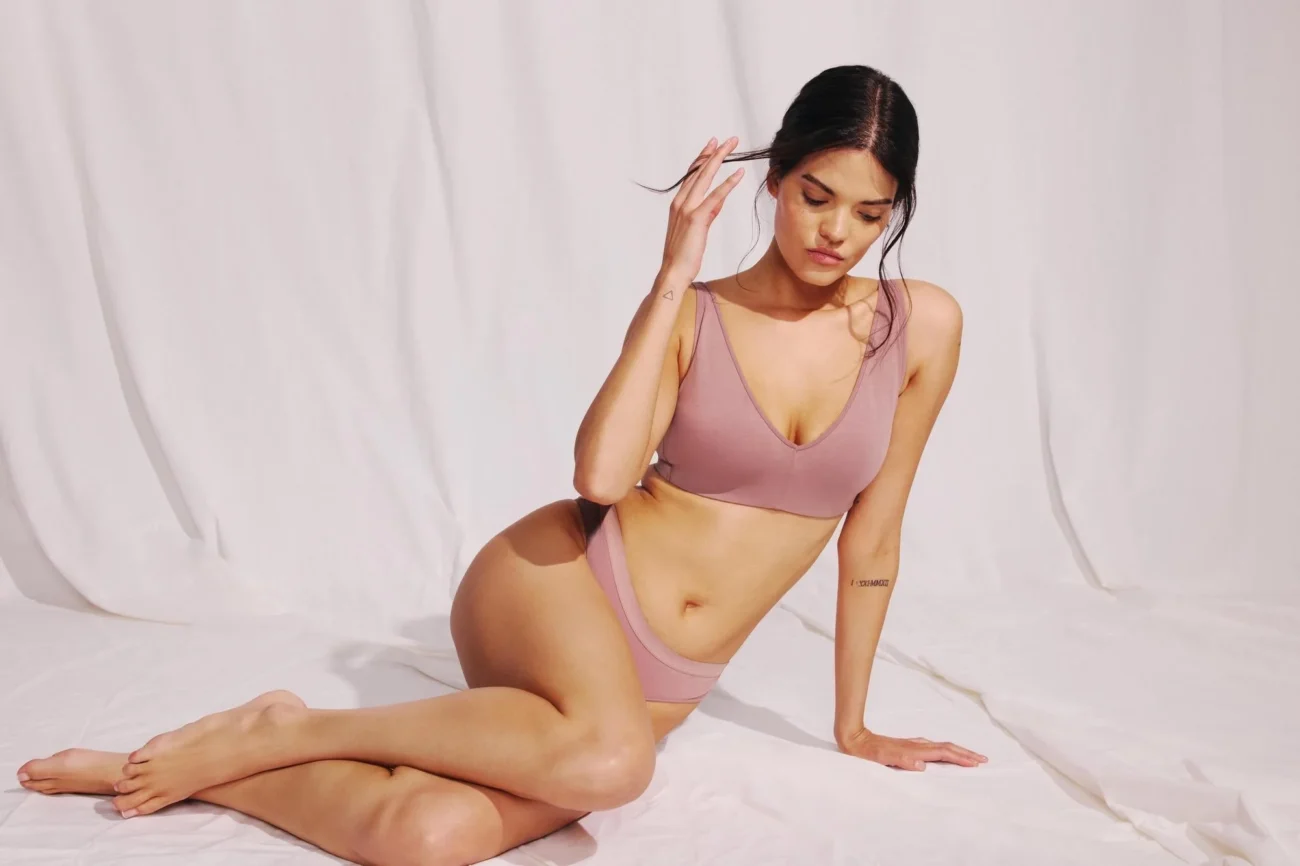
Bras are supposed to disappear on your body, not leave you itchy, sweaty, and counting the minutes until you can take them off. Yet a lot of everyday bras are made from synthetic blends that trap heat, rely on heavy dye loads, and sometimes feel like plastic against skin. If you are also trying to shop more responsibly, it gets even harder: “eco” can mean anything, and comfort claims are all over the place.
Organic cotton bras can be a genuinely better option, but only when the fabric, elastics, construction, and certifications line up. This guide breaks down what actually makes the best organic cotton bras, how to spot quality quickly, and which styles work for different bodies and use cases. You will leave with a short checklist, smart brand-level signals, and fit tips that save time.

Table of Contents
What makes an organic cotton bra genuinely “best”
Organic cotton sounds straightforward, but the best bras are not just about the cotton percentage. They are a system: fiber, processing, fit engineering, and durability. Start with certifications. If a brand is serious, it will reference standards like GOTS (Global Organic Textile Standard), which covers organic fiber content plus restricted chemicals and social criteria. For skin sensitivity, look for OEKO-TEX Standard 100, which tests for harmful substances in finished textiles. Some excellent organic bras have both, but either is a meaningful signal if the brand is transparent.
Next, pay attention to what is not cotton. A supportive bra needs stretch recovery; pure cotton alone usually cannot do it. Many organic cotton bras include a small percentage of elastane/spandex (often 5 to 10%) or use elastics in the band and straps. That is normal. What you want is minimal synthetic content while still getting a band that does not bag out after a month.
Construction matters more than most shoppers realize:
- Band first: The band supplies most support. A wide, stable underband with covered elastic reduces digging and rolling.
- Seams and lining: Flat or enclosed seams lower irritation. A double-layer cotton front can provide shaping without foam.
- Hardware: Nickel-free rings and sliders are friendlier to reactive skin. Soft strap edges help, too.
- Dyes: Undyed and low-impact dyed options tend to be safer for sensitive skin. Dark shades can be fine if certified and well processed.
Finally, evaluate “best” by intended use. The best organic cotton bra for lounging is not the same as the best for commuting, nursing, or light workouts. Your goal is to match the style to your day, not to force one bra to do everything.

The best organic cotton bra styles (and who they work for)
Instead of a one-size-fits-all list, think in categories. This is how lingerie fitters and product developers evaluate bras: by function, patterning, and materials. Use these style buckets to narrow your search fast.
1) Organic cotton bralettes for everyday comfort
Bralettes are the gateway to organic cotton because they can be supportive without wires, padding, or complex components. The best ones have a wide underband, a front panel that is double-layered, and straps that do not stretch out. If you are between sizes, choose based on band snugness. A slightly firmer band often feels more supportive and still comfortable once the cotton relaxes.
Best for: A to D cups (sometimes higher with the right design), desk days, travel, and anyone who hates hardware.
Watch for: Skinny spaghetti straps and narrow bands. Those usually mean less support and more shoulder load.
2) Soft-cup organic cotton bras for real support
If you want more structure without underwire, look for soft-cup designs with seamed cups, inner slings, or side support panels. These features help lift and center, especially for fuller busts. In organic cotton, the trick is balancing stretch: too much and the bra collapses; too little and you lose comfort.
Best for: D+ cups, people who need lift for all-day wear, and those who want a “bra shape” without metal.
Watch for: Very thin cotton jersey with no stabilizing layers. It can feel great for an hour and then drift.
3) Lightly lined or pad-pocket options (without the plastic feel)
Some shoppers want nipple coverage or a smoother look under tees. Organic cotton brands sometimes offer pad pockets or removable inserts. This can work well if the lining stays breathable and the pads are not thick foam. If modesty is the goal, choose thin inserts and focus on a stable band and cup shape rather than extra padding.
Best for: Thin tops, office wear, people who like optional shaping.
Watch for: Permanently molded foam cups. They often reduce breathability and can hold sweat.
4) Nursing and maternity bras in organic cotton
Pregnancy and postpartum skin can be more reactive, and comfort is non-negotiable. Organic cotton nursing bras are worth it when they have easy one-hand clips, a supportive underband, and enough adjustability to accommodate size fluctuations. Look for wider straps and reinforced cup edges so the bra does not stretch out after repeated clip use.
Best for: Nursing, sleep support, and anyone needing soft, flexible fit.
Watch for: Bands that rely on very soft elastic only. If the band loses recovery, the bra becomes a crop top.

How to choose the right one: a quick expert checklist
Here is the practical method that works when you are shopping online and cannot touch the fabric. It is based on how textile standards and garment construction translate into wear, wash, and longevity.
- Confirm the claim: Look for GOTS or equivalent certification details, not just “made with organic cotton.” If a product page is vague, treat it as a soft signal, not proof.
- Check fiber content: A small amount of elastane is normal. If the bra is 60% cotton and the rest is mostly synthetic, it may not deliver the breathability you expect.
- Read the band details: “Wide underband” and “encased elastic” are good signs. If the photos show a narrow band that looks like it will curl, it probably will.
- Study seams and edges: Flatlock seams, covered elastic, and soft binding reduce irritation. Rough overlock stitching can scratch.
- Decide on support level: For lift, choose seamed cups or internal support panels. For comfort, choose a bralette with a strong band.
- Look at adjustability: Back hooks and adjustable straps help you fine-tune fit. Pull-on styles are easier but less adjustable.
- Scan reviews for the right complaints: The most useful reviews mention band stretch over time, strap comfort, and how the bra behaves after washing.
A fit tip that saves money: if you are choosing between two sizes in a stretchy organic cotton bralette, pick the size that fits snugly in the band when new. Cotton relaxes with wear, and a slightly firm start often becomes perfect after a few washes.
Care tips that keep organic cotton bras supportive
Organic cotton is not fragile, but the elastics and stitching are the parts you are really protecting. Wash habits make or break longevity. If you want your “best” bra to stay best, treat it like performance gear, not like a towel.
Do:
- Use a mesh lingerie bag to reduce strap tangling and abrasion.
- Wash cold or warm on a gentle cycle with mild detergent.
- Fasten hooks before washing to prevent snagging.
- Air dry flat or hang by the center gore/band area if possible.
Skip:
- High heat drying. Heat kills elastic recovery faster than almost anything.
- Fabric softener. It can coat fibers and reduce breathability.
- Over-washing. Rotate bras and wash when needed, not automatically after every short wear.
If you want a deeper dive into why certification matters beyond marketing, the GOTS standard overview is worth reading. For general fabric safety and testing, the OEKO-TEX standards page helps you understand what those labels do (and do not) guarantee.
Common pitfalls when shopping for organic cotton bras online
Even careful shoppers get tricked by a few predictable patterns.
Pitfall 1: Confusing “cotton” with “organic cotton.” Plenty of bras are regular cotton with conventional pesticides and different processing. If organic matters to you, the product listing should say so clearly and ideally point to certification.
Pitfall 2: Assuming “wire-free” equals supportive. Support comes from patterning and band engineering. A wire-free bra with a flimsy band can feel comfortable but still leave you sore by afternoon because your shoulders do the work.
Pitfall 3: Falling for thick padding labeled as “comfort.” Thick foam is often the opposite of breathable. If you want comfort, prioritize soft seams, stable band, and breathable layers.
Pitfall 4: Ignoring return policies. Fit is personal. The best organic cotton bra is the one you will actually wear, so buy from retailers with clear returns and size guidance.
One more practical tip: if a brand provides detailed garment measurements (band height, cup depth, strap width), that is usually a sign of a more technical approach to fit. It often correlates with better comfort and fewer surprises.
Ready to upgrade your drawer? Use the checklist above, prioritize certification and band quality, and choose a style that matches your daily life. Pick one organic cotton bra to test, wear it for a full day, then confidently build a small rotation that keeps you comfortable and aligned with your values.

Writer with a background in ergonomics. Enjoys reviewing and discussing home furniture & clothing , that’s comfortable and supportive for the entire family.


