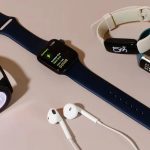
Buying the best sports watch for men sounds simple until you try to match real life with marketing promises. One guy wants accurate GPS for marathon blocks, another needs swim-proof reliability, and someone else wants a tough everyday watch that tracks workouts without screaming “gadget.” The problem is that “sports watch” now covers everything from minimalist running tools to full-on wrist computers with maps, payments, and training readiness. Choose wrong and you get annoying quirks: heart-rate spikes, short battery life, clunky buttons with sweaty hands, or metrics that look impressive but do not help you train smarter. This guide cuts through the noise with a practical framework, a feature-by-feature breakdown, and curated recommendations by sport and lifestyle, so you can confidently pick a watch that fits your goals, budget, and wrist.

Table of Contents
Start With Your Sport and Your Non-Negotiables
The best sports watch is the one you will actually use. Before comparing brands, pick your top two activities and the environment you train in. Road running in a city canyon is a different GPS challenge than trail running under trees. Pool workouts stress buttons and water lock features. Gym training cares more about comfort, heart-rate stability, and simple strength timers.
Here are the most useful “non-negotiables” to define first:
- Battery needs: If you do long runs, hikes, or weekend cycling, prioritize real GPS endurance, not just “smartwatch” battery. Garmin publishes battery ranges by mode on its official product pages.
- GPS quality: Look for multi-band GNSS (often called dual-frequency). It improves accuracy around tall buildings and tree cover. Apple explains its approach to GPS and location services in Location Services documentation.
- Heart-rate accuracy: Optical sensors vary by fit, skin tone, and motion. If heart-rate zones matter, consider pairing a chest strap for key sessions. Polar’s education hub covers why this helps: heart rate monitoring basics.
- Water readiness: “Water-resistant” is not a promise of swim tracking. For swimming, you want a clear swim mode, lap detection, and a water lock. Apple describes water resistance limits and care here: Apple Watch water resistance.
- Ease of use: Touch screens are beautiful, but physical buttons are gold mid-interval. If you train in winter gloves or heavy sweat, buttons matter.
- Comfort and durability: Titanium and sapphire look great, but weight and thickness can annoy you on long runs. If you work with your hands, aim for a robust case and bezel.
Quick advice: if you are torn between “smartwatch first” and “training tool first,” decide which you want to be flawless. Notifications can be optional. Bad GPS on race day is not.
Key Features That Actually Change Your Training
Specs can be overwhelming, so focus on the features that influence performance, recovery, and consistency. Below are the ones worth paying for, plus what to ignore.
1) Training load and readiness (useful, but only if consistent)
Garmin’s training metrics and daily readiness style insights can help you avoid stacking hard days back-to-back, especially if you wear the watch all day for resting heart rate and sleep estimates. If you rotate watches or only wear it for workouts, these features lose value. For background on endurance training structure, the Runner’s World training library is a practical companion.
2) Sleep and recovery (treat as a trend, not gospel)
Sleep scores can be motivating, but they are still estimates. Use them for patterns: you sleep worse after late workouts, alcohol, or travel. If the score nudges you to protect bedtime, it is doing its job. When you want higher precision for recovery, HRV trends are more informative than a single nightly score. For a beginner-friendly explainer, see Sleep Foundation resources.
3) Navigation and maps (huge for trail athletes and travelers)
If you run or bike in unfamiliar places, onboard maps and turn-by-turn directions can save workouts. Some watches offer breadcrumb routes only, others provide full color mapping. If trail runs are your thing, consider this feature a priority.
4) Sensors: altimeter, compass, temperature
A barometric altimeter improves elevation gain accuracy for trail running and hiking. A compass is helpful when following routes. Wrist temperature is often influenced by body heat, but it can still add context for outdoor sessions.
5) Ecosystem and coaching
The watch is only half the experience. Apps, data views, and training plans keep you engaged. Apple integrates tightly with iPhone and Fitness+. Garmin, Polar, and COROS focus heavily on sport-specific analytics. Read the platform’s documentation and sample dashboards before committing. For a neutral overview of sports science concepts, explore NCBI’s free full-text articles, especially on training load and endurance adaptations.
What to ignore most of the time: flashy watch faces, too many niche sport modes, and marketing-driven “AI coaching” that does not match your plan. If a feature does not change your decisions, it is clutter.

Best Picks by Type of Athlete (and Why They Win)
Rather than naming one universal winner, it is smarter to choose by training style. These categories reflect how most men actually use a sports watch. Use them like a shortcut to the right shortlist.
For runners who want the most complete training tool: Garmin Forerunner series (mid to high tiers)
If you want structured workouts, reliable GPS, deep running metrics, and strong battery, this line is hard to beat. Higher-end models add multi-band GNSS, better displays, and sometimes mapping. The trade-off is a more “sporty” look and a menu system that takes a week to memorize. If you care about race prep, Garmin’s own guides and features are documented clearly on Garmin Blog.
For men who want a true smartwatch that still performs in sport: Apple Watch (newer generations) + optional chest strap
Apple’s strengths are daily comfort, smooth notifications, music, calls, and app variety. For many runners, GPS and heart rate are good enough, and the user experience is unmatched. Battery life remains the main limitation for long GPS days, so ultra-distance athletes often look elsewhere. If you are iPhone-first and want one watch for everything, it is an easy pick.
For multi-sport and endurance with a value tilt: COROS (PACE and APEX lines)
COROS built a reputation on battery life and a clean training focus. Many athletes like the straightforward interface and endurance-first design. The ecosystem is simpler than Garmin’s, but that can be a plus if you hate feature overload. If you do long runs, long rides, and occasional adventures, it is a strong contender.
For serious swimming and triathlon structure: Garmin (tri-focused models) or Polar (training emphasis)
Swimmers should look for dependable lap tracking, drill mode, and an easy-to-trigger water lock. Triathletes also want fast sport switching and strong bike sensor support. Polar’s training philosophy is respected, and many athletes like its recovery insights when used consistently. Browse Polar’s sport profiles to see if the interface fits your style.
For rugged outdoor training and worksite toughness: “outdoor” lines with sapphire options
If you bang your wrist on door frames, lift, climb, or work outdoors, prioritize durability: sapphire glass, raised bezels, stronger water resistance, and dependable buttons. These watches tend to be thicker, so try one on if possible.

How to Choose the Right Size, Fit, and Setup
The hidden factor in sports watch satisfaction is fit. A great sensor on a loose strap becomes a mediocre sensor. A heavy case can irritate your wrist on long runs. And a watch that looks too “tactical” may end up living in a drawer on office days.
Fit tips that pay off immediately:
- For optical heart rate: Wear it snug, about one finger width above the wrist bone. Too low causes bouncing and bad readings.
- Strap choice matters: Silicone is durable, nylon can be more comfortable and breathable. If you sweat a lot, rinse after workouts.
- Case size: Bigger screens are easier to read mid-interval, but may feel bulky. If you have smaller wrists, consider the “S” sizes when available.
- Button layout: Try starting and stopping a workout with sweaty hands. If the UI annoys you in a store, it will annoy you more at mile 18.
Setup advice (this is where many people waste the watch’s potential):
Turn off most notifications except the ones you truly need. Create two or three data screens per sport with large fields: pace, distance, heart rate, lap time. Set auto-lap for running if you like mile splits. For strength, use a simple timer and track sets manually rather than fighting rep detection.

Budget Strategy: Spend Where It Matters
You do not need the most expensive model to get a great training partner. Spend on what you cannot “add later.” You can always buy a nicer strap, but you cannot retrofit better GPS hardware.
Spend more if you need:
- Multi-band GNSS for tough GPS environments
- Mapping and navigation for trails and travel
- Big battery for long sessions
- Sapphire or tougher materials for harsh use
Save money if:
- You train mostly in the gym and only need basic tracking
- You run short distances and can charge often
- You prefer simplicity over deep analytics
One more practical tip: older flagship models can be the sweet spot. You often get premium sensors and build quality at a discount, with only small sacrifices like a slightly older screen.
Final thought on “best”: the best sports watch for men is the one that matches your training reality, not your fantasy schedule. Buy for what you do weekly, not what you plan to do once a year.
Conclusion: Pick your top sports, lock in your non-negotiables, then choose the watch that delivers reliable GPS, dependable heart rate, and a workflow you enjoy. Make a shortlist today, try them on if you can, and commit to using the data for one small improvement this week, like smarter pacing or better recovery.

weapons and military expert