Dry, tight skin is annoying on a normal day and miserable when it starts to itch, flake, or sting after a shower. Many “hydrating” body lotions fix the feeling for an hour, then vanish, leaving you reapplying and wondering what you are actually putting on your skin.
Add fragrance sensitivity, eczema-prone patches, or a desire to avoid certain preservatives, and shopping turns into label detective work.
The good news: the best organic lotion is not a mystical unicorn. It is a formula built around proven moisturizers (humectants, emollients, occlusives), paired with carefully chosen plant oils and gentle preservation, and packaged to protect those ingredients. In this guide, you’ll learn how to evaluate organic claims, which ingredients pull real weight, and how to pick a lotion that feels great and performs even better.
Table of Contents
What “best organic lotion” really means (and how to spot it fast)
“Organic” can mean different things depending on where you live and how a brand markets itself. Some products use the word because one botanical extract is organic, while the base formula is conventional. Others meet strict standards for organic agriculture and processing. If you want the shortest path to a solid pick, start with certification and ingredient transparency.
Look for credible certification marks. In the U.S., the most recognized benchmark is the USDA organic program. The USDA organic labeling standards explain the difference between “100% organic,” “organic” (at least 95% organic ingredients), and “made with organic” (at least 70% organic ingredients). For personal care, many brands also use COSMOS (COSMOS Organic / COSMOS Natural) or Ecocert. These aren’t perfect, but they are far more meaningful than vague “botanical” language.
Don’t confuse “natural” with “organic.” Natural describes origin; organic describes agricultural practices and restrictions on inputs. A natural ingredient can be grown with heavy pesticides. An organic ingredient can still irritate you (hello, essential oils), so you still need to match the formula to your skin.
Read the first five ingredients. Lotions are mostly water plus moisturizing agents. If you see water, glycerin, aloe, squalane, shea butter, jojoba, sunflower, or ceramides early, you are likely in good territory. If the first five are water and several fragrant oils, you may be buying scent more than skin support.
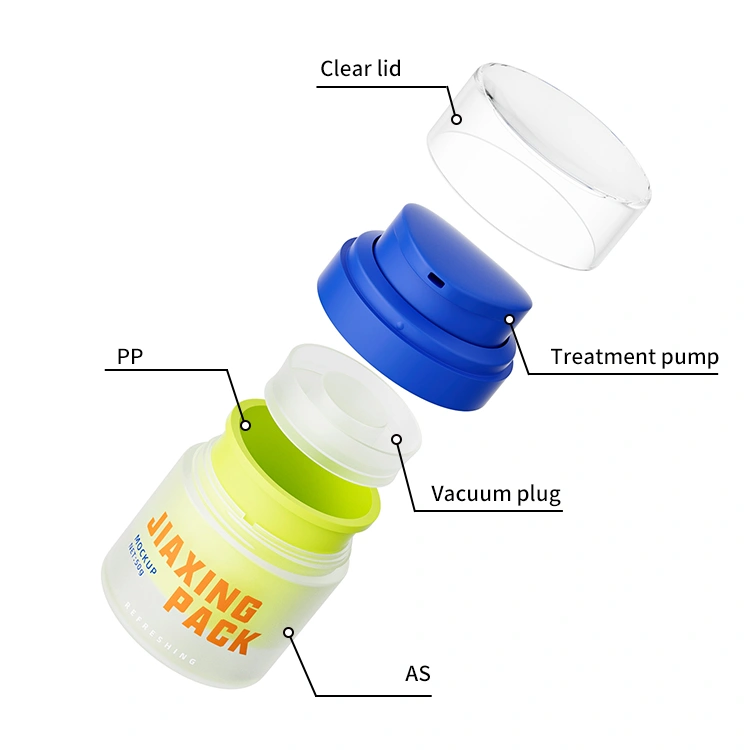
Packaging matters. Organic plant oils can oxidize. Airless pumps and opaque bottles protect sensitive ingredients better than open jars. If you are paying for high-quality oils, you want them stable until the last pump.
The ingredient blueprint: what actually hydrates and repairs
The best organic lotion balances three jobs: attracting water into the skin, smoothing gaps between skin cells, and sealing moisture in. Dermatology basics still apply, even when you prefer organic sourcing. The trick is choosing formulas that do the work without unnecessary irritants.
- Humectants (pull water in): Glycerin is a gold-standard hydrator and can be plant-derived. Aloe vera can soothe while supporting hydration. Sodium PCA and hyaluronic acid may appear in some natural-leaning formulas; they are effective even if not “organic” in the farming sense.
- Emollients (soften and smooth): Shea butter, cocoa butter, jojoba oil, sunflower oil, and oat lipids help reduce roughness and improve feel. Jojoba is especially skin-friendly because its wax esters resemble natural sebum.
- Occlusives (seal it in): Beeswax, plant waxes, and richer butters slow water loss. Many strict organic users avoid petrolatum; if that’s you, look for wax-butter blends or squalane plus shea. If you have very dry skin, you may need a heavier occlusive at night.
Barrier helpers to prioritize. If you’re dry, reactive, or eczema-prone, look for ingredients that support the skin barrier. Ceramides and niacinamide are evidence-backed, but they are typically lab-made, so some “organic only” formulas won’t include them. If you want a more nature-forward alternative, colloidal oatmeal is widely used to calm itch and support barrier comfort. The American Academy of Dermatology’s dry skin guidance is a practical reference for what to look for and how to apply moisturizers for maximum benefit.
Watch-outs in “clean” formulas. Essential oils (lavender, citrus, peppermint) can be the top trigger for sensitive skin, even when organically sourced. Fragrance-free is often the safest choice. Also check for high levels of denatured alcohol if you are dry; it can feel weightless but may increase tightness for some people.
How to choose the best organic lotion for your skin type
One person’s holy grail is another person’s sticky nightmare. Use your skin type, climate, and body area to guide texture and ingredient density. Here is a practical way to match lotion to real-life needs.
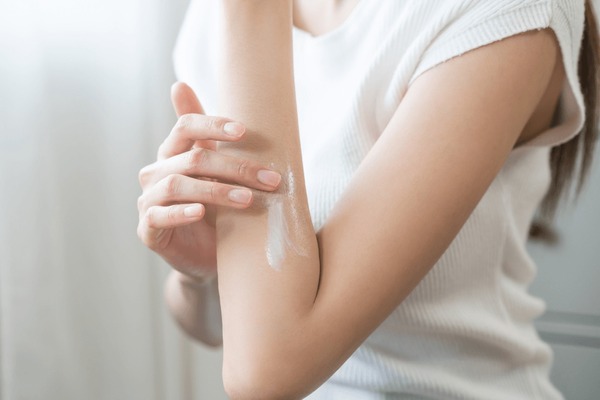
For very dry skin (especially legs and elbows): Choose a richer lotion or cream with shea butter or cocoa butter high on the list, plus glycerin. Apply on damp skin right after showering. If you live in a cold or low-humidity climate, a thicker formula is usually worth it. At night, you can layer: lightweight lotion first, then a balm on top for stubborn patches.
For normal to slightly dry skin: A medium lotion with glycerin, aloe, and a light oil (jojoba, sunflower, squalane) is ideal. You should feel hydrated without a waxy after-feel. If you dislike residue, look for “fast-absorbing” claims backed by silicones alternatives such as squalane, not by drying alcohol.
For oily or acne-prone body skin (back and chest): Go lighter and fragrance-free. Look for non-comedogenic oils like sunflower or squalane in modest amounts, and avoid heavy butters if you clog easily. If body acne is a problem, pair lotion with an evidence-based wash, but keep the lotion simple to reduce variables.
For sensitive or eczema-prone skin: Prioritize fragrance-free, minimal essential oils, and soothing ingredients like colloidal oatmeal. Patch test on the inner arm for 48 hours. For persistent eczema, the National Eczema Association treatment overview is a reliable starting point, and you should consider a dermatologist’s guidance if flares are frequent.
For pregnancy or fragrance aversion: Choose unscented and avoid strong essential oil blends. “Natural fragrance” is still fragrance. If you want a subtle scent, choose a low-allergen option and keep it away from freshly shaved skin to reduce sting.
A trace-based evaluation method: how experts “synthesize” the evidence
When you shop for organic lotions, you’re not just buying vibes. You’re evaluating a chain: farming inputs, extraction methods, formulation stability, and real-world skin outcomes. A trace-based synthesis approach means combining multiple kinds of signals instead of trusting one marketing claim.
- Trace the claim: Does the brand specify which ingredients are organic and what certification backs it? Transparent brands often list percentages or highlight certified ingredients by name.
- Trace the function: Does the formula include proven moisturizing architecture (humectant + emollient + occlusive)? A lotion that is “organic” but lacks strong humectants may feel nice yet underperform.
- Trace the tolerance: Check for common irritants: fragrance, essential oils, and harsh preservatives in high amounts. “Clean” can still be reactive. Your skin’s feedback is data.
- Trace the stability: Look at packaging and shelf life. If it’s in a jar, you introduce air and microbes every use. Airless pumps help maintain consistency and reduce contamination risk.
- Trace the experience: Performance is not only hydration. Does it pill under sunscreen? Does it sting after shaving? Does it leave fabric greasy? A “best” lotion is one you will actually use daily.
One more expert tip: don’t judge on first application. Many lotions feel great immediately. The real test is how your skin feels 6 to 12 hours later. If dryness rebounds quickly, you likely need more humectant (glycerin) or more sealing power (butter/wax), or better timing (apply to damp skin).
Smart application habits that make any good lotion work harder
Even the best organic lotion can disappoint if you apply it at the wrong time. Moisturizer is most effective when it traps water already on your skin.
Do this: After showering, pat dry so skin is slightly damp, then apply lotion within three minutes. If you wash your hands often, keep a small bottle by the sink and reapply after drying. For rough feet, apply at night and wear cotton socks for an easy occlusion boost.
Avoid this: Scrubbing with harsh soaps, taking long hot showers, or using heavily fragranced products on compromised skin. If your body wash leaves you squeaky, your lotion has to work overtime.
If you want to go deeper on ingredient literacy, the FDA’s cosmetics and ingredients resources can help you understand how cosmetic ingredients are categorized and why labels look the way they do.
Bottom line: The best organic lotion is the one that matches your skin’s barrier needs, avoids your personal triggers, and is supported by credible organic verification rather than vague green language.
Conclusion: Pick one fragrance-free, well-certified option that fits your skin type, use it consistently on damp skin for two weeks, and track the results. Once you find a winner, stock it, simplify your routine, and let your skin get comfortable again.