
Buying prescription glasses sounds simple until you actually do it. You want frames that look sharp, feel comfortable at hour six, and survive a drop from a desk. You also need lenses that are optically correct, properly centered, and matched to your lifestyle, whether that means all-day screen use, nighttime driving, or progressive lenses that do not make stairs feel like a funhouse.
Add pricing that ranges from bargain to luxury, plus online vs. in-store tradeoffs, and it is easy to overpay or end up with glasses you do not love. This guide breaks down the best prescription glasses brands by what they do well, how they fit, where they shine, and who should choose them. You will also get practical checks to avoid common ordering mistakes.

Table of Contents
What “best” means in prescription glasses (and how to judge brands)
“Best” is not one universal list. The strongest brands earn trust in a few measurable ways: optical accuracy, fit consistency, material quality, after-sale support, and honest value. If you focus on these pillars, the brand choices get clearer fast.
- Lens accuracy and centration: The prescription has to be cut correctly and aligned to your pupils. For progressives, accurate fitting height matters. A useful baseline is knowing the key measurements: PD (pupillary distance), and for many frames, optical center height. The American Academy of Ophthalmology explains what glasses can and cannot fix and why correct prescriptions matter.
- Frame materials: Acetate (often from Mazzucchelli) tends to feel richer and can be adjusted; injected plastic is lighter but can feel cheaper. Titanium is corrosion-resistant and light; stainless steel is strong and affordable; TR-90 style nylon blends are flexible and sporty.
- Fit engineering: Good brands nail bridge shape, temple comfort, and hinge durability. Premium does not just mean a logo, it often means better geometry options and more stable sizing from model to model.
- Lens options and coatings: Look for proven scratch resistance, AR (anti-reflective) coating quality, and clear policies for remakes. For blue-light claims, keep expectations realistic: the AAO’s guidance on computer glasses is a helpful reference.
- Warranty and return policies: The best brands and retailers make it easy to swap sizes, remake lenses, or return if progressives do not work for you.
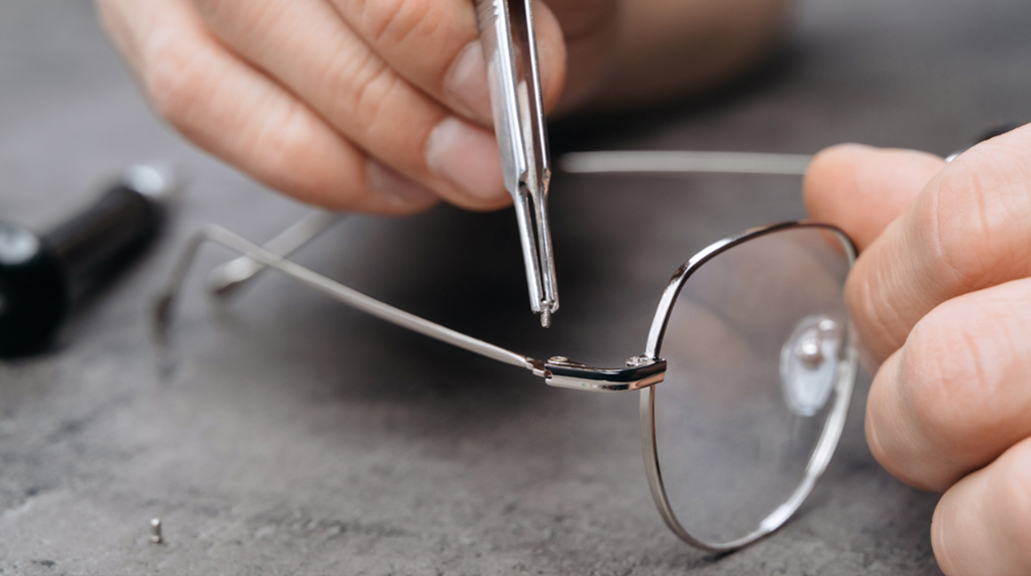
Practical tip: before you fall in love with a frame, confirm it can be adjusted by a local optician. Even the best frames can pinch if the temples are not tuned. If you order online, choose a seller with generous remake policies, especially for high-index lenses or progressives.
Iconic heritage and luxury brands worth the splurge
Luxury frames are not automatically “better,” but the top names tend to deliver superior acetate, hardware, finishing, and more refined silhouettes. If you wear glasses daily, the cost-per-wear argument is real.
Ray-Ban remains a staple for recognizable shapes and easy wearability. The brand’s optical frames often fit predictably and suit many face shapes. Ray-Ban is a smart choice if you want classic styling with broad availability for adjustments and replacements.
Persol is known for premium acetate and distinctive design cues. Many wearers love the substantial feel and polished finishing. If you want a statement frame that still reads timeless, Persol belongs on your short list.
Oakley is a performance-first pick, especially for sports, cycling, and active workdays. Many models are engineered for grip and stability. Oakley can be particularly compelling if you want prescription optics with a sporty fit and durable materials.
Tom Ford is for bold, fashion-forward frames with strong lines and confident branding. The quality is typically high, but the real reason to buy is aesthetic impact. Choose it when you want your glasses to lead the outfit.
Prada and Gucci appeal to trend-driven shoppers and logo lovers. The upside is runway styling translated to everyday eyewear. The downside is you may pay more for branding than for measurable durability. If you buy in this lane, prioritize comfort and hinge feel over the name on the temple.
Buying advice: if you are investing in luxury, buy from reputable optical retailers or authorized sellers and check serial markings, packaging, and return policy. Counterfeits exist, and fit issues are easier to solve when a skilled optician can help.
Design-led independent brands (where comfort and craft shine)
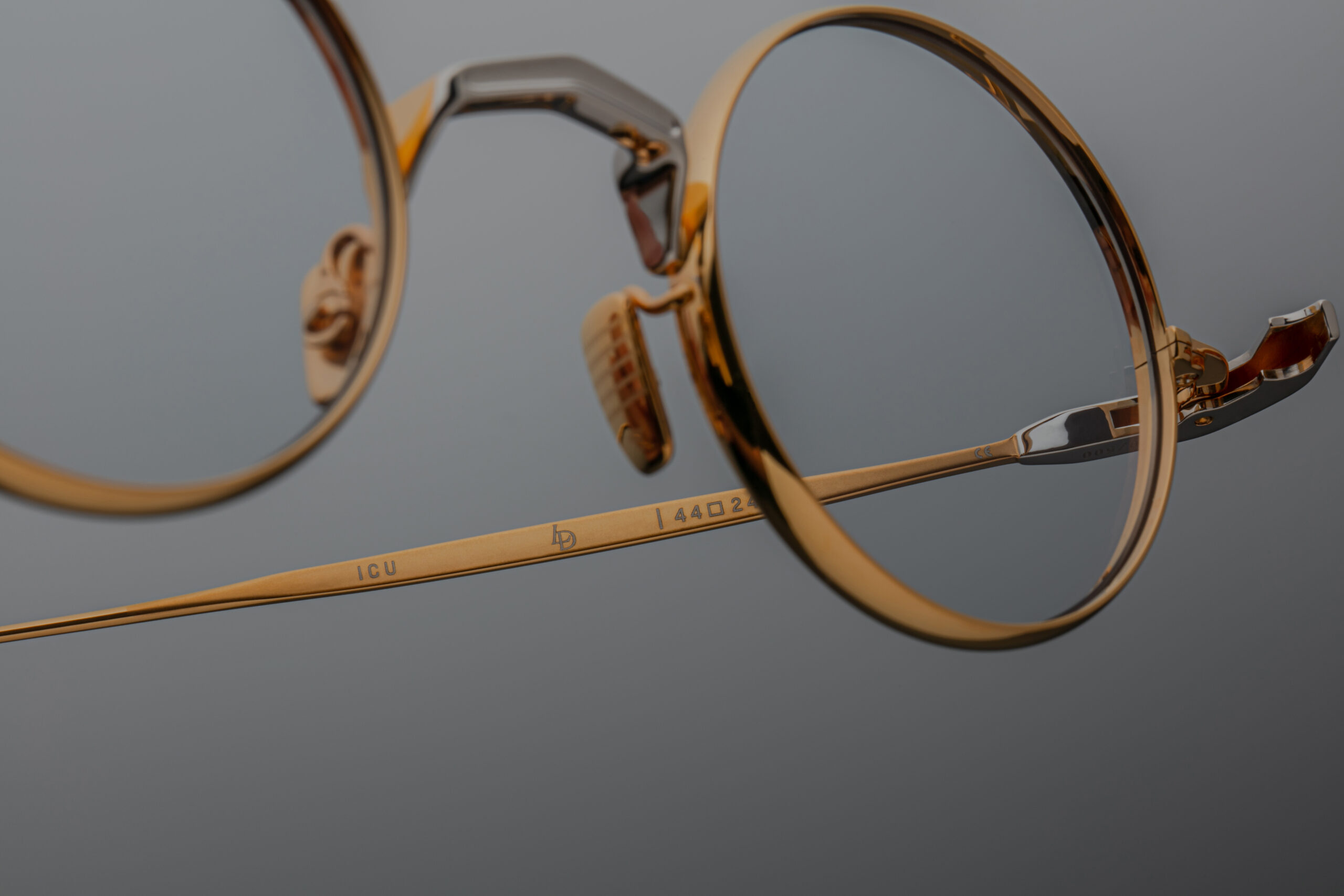
Independent brands often win on originality, thoughtful sizing, and higher-end materials without the loud fashion signals. Many also offer a better range of bridge fits, which matters more than most people realize.
Moscot is famous for vintage-inspired shapes that look intentional, not costume-y. The acetate typically feels sturdy, and the brand has a loyal following for good reason. Moscot is a great fit if you like classic New York styling and want frames that photograph well from every angle.
Warby Parker popularized affordable, style-forward prescription glasses with a smooth buying experience and home try-on in many markets. Quality is solid for the price tier, and the brand is an easy recommendation for first-time buyers who want good-looking frames without analysis paralysis. If you need help with fit, Warby Parker’s retail footprint can be a plus. You can explore their approach to sourcing and pricing on WarbyParker.com.
Oliver Peoples sits in the premium design space with understated luxury. The aesthetic is refined and minimal, and the frames tend to work well for professionals who want polish without flash. This is a strong choice for office wear and subtle statement pieces.
Mykita is a favorite for lightweight engineering and modern lines, often using innovative materials and minimalist construction. If you hate heavy frames or get pressure points easily, try Mykita styles and notice how they distribute weight.
Lindberg is widely respected for ultra-light titanium frames and a clean, modular design language. Many models feel nearly weightless, which can be a game changer for all-day wearers. If comfort is your top priority and you have the budget, Lindberg is hard to beat.
Fit tip: if you have a low or narrow bridge, look for keyhole bridges, adjustable nose pads, or brands that explicitly offer “Asian fit” or alternative bridge designs. The “best brand” for you might simply be the one that does not slide down your nose.
Best brands for online prescription glasses (value without roulette)
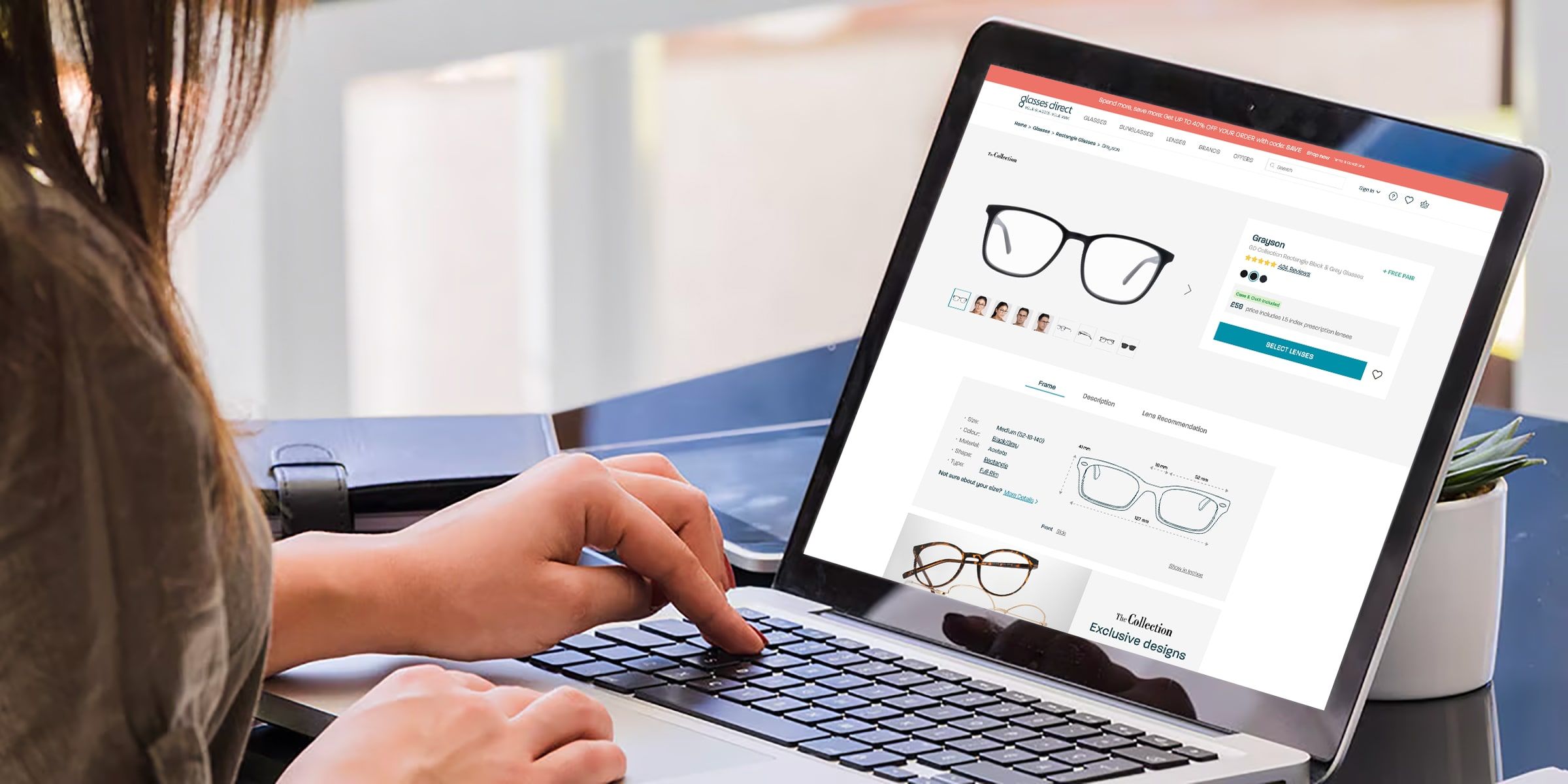
Online buying can save money, but only if you control the variables: accurate PD, realistic lens choices, and a return policy that protects you if the fit is off. These brands and retailers tend to be popular because their systems reduce friction.
Zenni Optical is known for very low prices and a huge selection. It is ideal for backups, experimenting with new shapes, or getting multiple pairs for different use cases. The tradeoff is that the experience is more DIY: you need to measure carefully, and you should manage expectations for premium finishing. Start simple: single-vision lenses, standard coatings, and a frame shape you already know works.
EyeBuyDirect often hits a sweet spot between price and style, with frequent promotions and a broad range of modern looks. It can be a strong choice for students or anyone who wants fashion variety. Their site provides practical tools for frame sizing and virtual try-on, which helps reduce returns.
GlassesUSA offers a mix of house brands and licensed designer frames, which is useful if you want a recognizable label but still want online convenience. This “one storefront, many brands” model can make comparison shopping easier.
LensCrafters and Pearle Vision are not “online-only,” but their omnichannel setup matters: you can order online and still access in-store adjustments. If you are buying progressives or you want help with fit, that hybrid path can be worth more than a discount code.
Safety check: for any online order, confirm your prescription is current and includes cylinder and axis (for astigmatism) if needed. If your prescription is older or you have symptoms like headaches or blurry vision, get an exam. The CDC’s vision health resources are a good starting point for understanding when to seek care.
Choosing the right brand by your lifestyle (quick matching guide)
Instead of asking “Which brand is best?”, ask “Which brand is best for my day?” Here are practical matches that keep you from buying a beautiful pair you never reach for.
All-day office and video calls: Look for lightweight frames, comfortable bridges, and excellent AR coatings to reduce reflections on camera. Brands like Lindberg, Mykita, and Oliver Peoples often excel in comfort and clean lines.
Commuting and night driving: Prioritize premium AR coatings and lens clarity. Frame choice matters less than lens quality here. If nighttime glare is an issue, talk to your optician about coating options and whether your prescription is optimized for driving.
Active and outdoor use: Oakley-style sport frames, grippy temples, and impact-resistant materials are your friends. Consider a dedicated pair for workouts so your everyday acetate does not take a beating.
Style-first wardrobes: Tom Ford, Prada, Gucci, and bolder Ray-Ban optical styles are reliable when you want frames to be a focal point. Just do a 10-minute comfort test in-store: if you feel pressure immediately, it will not improve after a week.
Budget plus backups: Zenni and EyeBuyDirect make it easy to get an extra pair for travel, a spare for the car, or a “just in case” option. Spend the savings on a good case and cleaning kit.
One more expert move: if you are buying progressives, consider getting them from a provider that offers in-person measurements or an easy remake. Progressives are not the place to be brave with risky fit.
How to avoid the most common buying mistakes
The brand name will not save you from a bad purchase if the fundamentals are wrong. Here is what derails most orders:
Wrong PD or missing fitting height: PD errors can make vision feel strained. For progressives, fitting height is crucial. If you are unsure, ask an optician to measure you or order from a retailer that verifies measurements.
Choosing a frame too wide: Many people buy oversized frames online because they like the look, then hate the slide and ear pressure. Compare the lens width, bridge width, and temple length to a pair that already fits you.
Overpaying for upgrades that do not match your needs: High-index lenses are great when your prescription is strong, but not everyone needs them. Photochromic lenses are convenient, but they may not darken much in cars. Polarization is amazing for sun glare, but it is for sunglasses, not clear everyday lenses.
Ignoring adjustability: Adjustable nose pads can be the difference between “fine” and “perfect.” If you are between sizes, choose the frame that an optician can adjust into comfort.
When in doubt, spend your money on fit and lenses, then pick a frame brand that matches your style. Great optics in a comfortable frame beats a famous logo that you cannot wear past lunch.
Conclusion: Pick one or two brands that match your lifestyle, measure carefully, and buy from a seller with a remake-friendly policy. Do that, and your next pair will feel like an upgrade the moment you put it on. Make a shortlist today, book an eye exam if yours is not current, and order with confidence.

Writer with a background in ergonomics. Enjoys reviewing and discussing home furniture & clothing , that’s comfortable and supportive for the entire family.