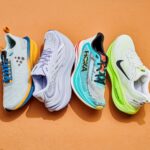
Flat feet can be a quiet saboteur. One day you are just trying to finish a treadmill interval or a quick gym circuit, and the next you are rubbing a hot spot under the arch, wondering why your ankles collapse inward and your knees feel oddly cranky. When the arch is low or flexible, your foot often overpronates, rolling in and changing how force travels up the chain. The good news: the right fitness shoes can make training feel smoother, steadier, and less fatiguing. This guide breaks down what actually matters in shoes for flat feet, how to match features to your workouts, and which trusted models repeatedly show up in lab tests and clinician-friendly recommendations. You will also learn quick fit checks and smart add-ons that turn “good enough” into “finally, this works.”

Table of Contents
What Flat Feet Need From a Fitness Shoe (and What to Ignore)
Not all flat feet are the same. Some people have a rigid, low arch that barely moves. Others have a flexible arch that collapses under load, especially during squats, lunges, or running. That flexibility is often the troublemaker because it increases pronation and can stress the plantar fascia, posterior tibial tendon, knees, and even hips. The best fitness shoes for flat feet do not “fix” your anatomy, they manage motion and distribute pressure so you can train comfortably.
Start with stability, not stiffness. A shoe can be stable without feeling like a brick. Look for design elements that resist the foot rolling inward while still allowing natural toe-off:
- Structured heel counter: The back of the shoe should feel firm and supportive when you pinch it. A solid heel counter helps keep the rearfoot from wobbling.
- Medial support or guidance: Some shoes use a firmer foam on the inside edge (traditional stability), others use “rails” or sidewalls to guide the foot. Both can work.
- Wide, stable base: A broader platform under the heel and midfoot improves balance for lifting and classes.
- Moderate torsional rigidity: Try twisting the shoe. If it folds like a towel, many flat-footed athletes will feel unstable. If it barely twists at all, it might feel harsh in dynamic workouts.
- Roomy toe box: Flat feet often come with splay. You want toes to spread for balance, not get squeezed into numbness.
Know when “more cushion” is not better. Very soft, high-stack foam can feel amazing for walking, but it can also amplify wobble for flat feet during lateral moves or heavy sets. If you do mixed training, consider a stable daily trainer for running and a separate cross-trainer for the gym.
Ignore the marketing labels and read the midsole geometry. “Arch support” printed on a hangtag tells you little. Instead, pay attention to features that have measurable impact, like pronation guidance, base width, and heel structure. For a practical overview of flat feet mechanics and symptoms, the Cleveland Clinic’s flat feet guide is a solid reference point.
Best Fitness Shoes for Flat Feet by Workout Type
Below are consistently recommended, widely available shoes that match what flat feet typically need: stable geometry, controlled motion, and secure fit. These picks synthesize recurring findings from expert shoe testing outlets and clinical running resources, including RunRepeat lab-style reviews and fitting guidance from organizations like the American Podiatric Medical Association (APMA).

For running workouts (treadmill or road): stability daily trainers
ASICS GEL-Kayano
A long-running stability icon for a reason: reliable guidance, secure heel, and a protective ride for higher mileage. Many flat-footed runners like the “locked-in” feel through the midfoot. If you overpronate and want a shoe that quietly corrects without drama, this line is often a safe bet.
Brooks Adrenaline GTS
Known for its guide-rail approach that supports without forcing your foot into one path. It tends to work well for runners who dislike aggressive medial posts. It is also easy to fit, especially if you need a stable platform without a narrow midfoot pinch.
New Balance Fresh Foam X 860
A stability trainer that balances cushioning and control. Flat-footed runners who want a slightly softer feel than traditional “firm stability” often do well here. Look for versions offered in multiple widths if you need more space.
Saucony Guide
Typically lighter and smoother than old-school stability shoes. Many athletes with flexible flat feet appreciate the guidance and the transition for tempo runs and steady efforts.
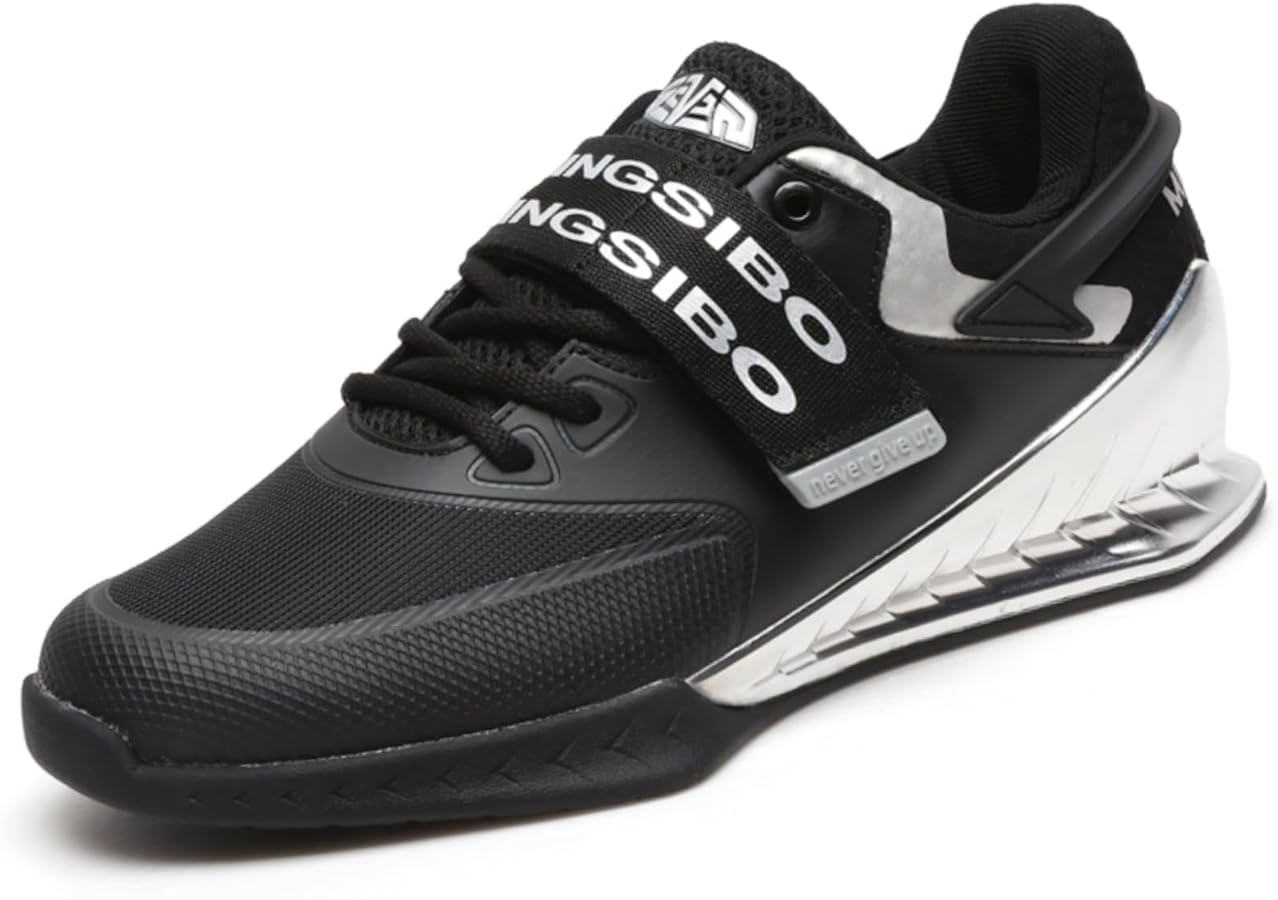
For gym training (lifting + machines): stable cross-trainers
Nike Metcon
If your “fitness” means squats, deadlifts, sled pushes, and hard intervals, the Metcon’s flatter, firmer base can feel dramatically more stable than a running shoe. Flat feet often do better under load with less squish. Note: it is not built for long runs, but it shines for strength and mixed gym work.
Reebok Nano
A classic CrossFit-style cross-trainer with a stable platform and durable upper. It works well for people who want one shoe for classes, lifts, and short conditioning blocks.
For walking, all-day wear, and low-impact cardio: supportive comfort
HOKA Arahi
A stability shoe with a cushioned, rocker-like feel that can be friendly for long days on your feet. It often suits flat feet that want support but still crave softness. If you feel beat up in firmer stability models, this can be a smart pivot.
Brooks Addiction Walker
Not flashy, but supportive and stable for walking-heavy routines. If your training is mostly incline walking, errands, and light cardio, a walking-focused support shoe can keep things calm.
ASICS GT-2000
Often a more streamlined sibling to the Kayano: supportive, a bit lighter, and versatile for treadmill sessions and brisk walks.
Quick note on “neutral” shoes
Some people with flat feet do fine in neutral shoes, especially if their pronation is mild and their foot is strong. But if you see your ankles collapsing inward in mirrors or you burn through the inner edge of the outsole quickly, a stability model is usually the better starting point.
How to Choose the Right Pair (Fit Tests, Insoles, and Common Mistakes)
Buying the “best” shoe online is easy. Buying the best shoe for your foot is the real win. Use these practical checks to avoid the most common flat-foot pitfalls.

Fit checks you can do in two minutes
- Heel lock test: Lace up and walk briskly. Your heel should not slide. Heel movement increases instability and can irritate the arch as your foot searches for control.
- Midfoot security: The shoe should feel snug through the midfoot without cutting off circulation. Flat feet often need “hug,” not “squeeze.”
- Toe box splay: Stand and do a mini squat. Your toes should be able to spread. If the big toe gets pushed inward, you lose a major stabilizer.
- Single-leg balance: Try a 10-second single-leg stand. If the shoe feels wobbly, consider a wider base or firmer midsole.
- Outsole check: If you already own a pair, look at wear patterns. Heavy wear on the inside edge can hint at overpronation and a need for more stability.
Do you need insoles or orthotics?
Sometimes the shoe is enough. Sometimes your flat feet want more structure than any stock insole provides. Over-the-counter insoles can help if you have arch fatigue, plantar fascia irritation, or you need more contour to stop the foot from collapsing. Start conservatively: an insole that is too aggressive can feel like a golf ball under your arch and cause new pain.
If pain is persistent, one-foot-only, or worsening, it is worth checking in with a clinician. The APMA patient resource page can help you understand when to see a podiatrist and what questions to ask.
Common mistakes flat-footed athletes make
Using cushy running shoes for heavy lifting. Soft foam plus a low arch can equal wobble. For strength days, a stable cross-trainer or lifting shoe is often safer and feels stronger.
Sizing too small “for support.” Cramped toes reduce stability. Many flat-footed people do better with a wider width, not a shorter length.
Chasing maximal arch support immediately. If you go from a flat insole to a very high arch insert overnight, your feet may revolt. Ramp up gradually: short sessions first, then longer workouts.
Ignoring socks and lacing. A supportive shoe with sloppy lacing can still feel unstable. Try heel-lock lacing (runner’s loop) to improve rearfoot hold without crushing the forefoot.
A simple “two-shoe” strategy that works
If you do a mix of activities, consider separating roles:
- Stability running shoe for runs and longer cardio sessions.
- Stable cross-trainer for lifting, classes, and lateral movement.
This approach usually beats trying to force one pair to do everything, especially for flat feet that need both cushioning (for impact) and firmness (for control).
Care, Replacement Timing, and How to Tell You Chose Well
Even a great shoe becomes a bad shoe when it is worn out. Midsole foam compresses, support features soften, and flat feet start working overtime again.
Replacement timing: For most training shoes, a practical window is roughly 300 to 500 miles for running shoes, and several months to a year for cross-trainers depending on frequency and surface. If your arch starts aching again, the shoe suddenly feels “tilted,” or the outsole is uneven, you might be past the sweet spot. Detailed wear-and-replacement guidance can be cross-checked with evidence-driven running resources like Runner’s World on when to replace running shoes.
Signs you chose well: Your foot feels centered on the platform, your ankles do not collapse inward as much in a mirror, and you can finish workouts without that familiar arch burn. The best sign is boring consistency: fewer nagging hotspots, less post-workout soreness in the feet and shins, and more confidence in lateral drills.
Care tip: Rotate pairs if you train often. Giving foam 24 to 48 hours to rebound can help shoes feel more consistent and last longer. Also, avoid baking shoes near heaters after sweaty sessions, heat can accelerate material breakdown.
Final thought: Flat feet are not a sentence. With the right stability, fit, and a shoe that matches your workout, you can train harder with less drama from your arches.
Ready to upgrade your training? Pick one stability running shoe and one stable cross-trainer from the options above, do the fit tests, and commit to a two-week trial. Your feet will tell you quickly when you have found the right match.