Makeup brushes are the quiet workhorses of your routine, but they collect more than product. Every swipe can trap oils, dead skin, dust, and lingering pigment deep in the bristles. Over time, that buildup doesn’t just dull your blending, it can trigger breakouts, irritate sensitive skin, and even change the color payoff of your favorite formulas. The tricky part is that “clean” looks different depending on what you use: cream blush sticks, longwear foundation, powder bronzer, or glitter shadows all leave different residues.
So the real question isn’t whether to clean brushes, it’s what the best makeup brush cleaner is for your tools, your skin, and your schedule. In this guide, you’ll get a practical, evidence-informed way to pick a cleaner, avoid common mistakes, and keep brushes soft, sanitary, and long-lasting.

Table of Contents
What “best makeup brush cleaner” really means (and why it matters)
The best makeup brush cleaner is the one that removes oils, pigments, and microbes effectively without wrecking the brush head or loosening the glue in the ferrule. That balance is important because brushes are built from fibers (synthetic or natural), a metal ferrule, and adhesive that doesn’t love heat, soaking, or harsh solvents.
Dirty tools can become a skin and performance issue. If you’re acne-prone, residue and oils are a big deal. If you have sensitive skin, leftover fragrance or surfactants can be a problem too. And if you do makeup often, unwashed brushes can cause muddy blending, patchy foundation, and that “why does my bronzer look orange today?” effect.
Hygiene guidance across personal care tools is consistent: clean regularly, allow full drying, and avoid practices that promote microbial growth. For a science-based overview of why cleaning matters for tools that touch skin, see the CDC’s general approach to hygiene and preventing the spread of germs. While it’s not brush-specific, the principles translate well: remove soil (product buildup), wash with appropriate agents, rinse, and dry thoroughly.
Types of brush cleaners: which formulas work best for different needs
There isn’t one universal winner, because makeup residue differs. Here’s how the main cleaner categories compare, and when each tends to be the “best” choice.
1) Gentle brush soaps and liquid cleansers (best all-around)
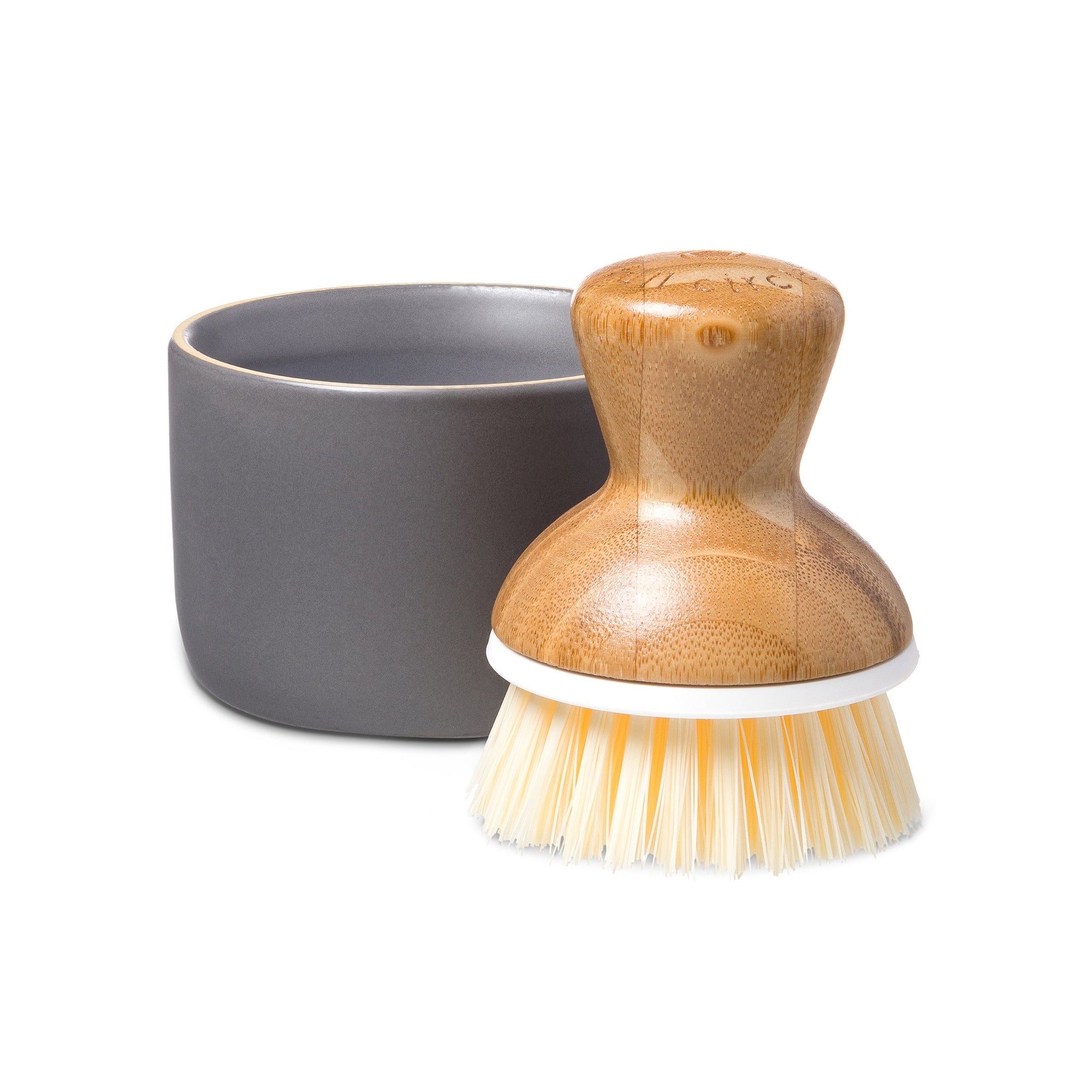
A dedicated brush shampoo or gentle liquid soap (think mild surfactants) is usually the most reliable option for routine cleaning. These formulas lift oils and emulsify product so it rinses away, which is exactly what you need for foundation and cream products. If you’re shopping, look for:
- Fragrance-light or fragrance-free if your skin reacts easily.
- Rinses clean (no heavy conditioning film that can attract product later).
- Compatible with synthetics (most modern brushes are synthetic and do well with mild cleansers).
Tip: If your cleanser leaves brushes squeaky-dry and stiff, it may be too stripping, or you may not be rinsing thoroughly.
2) Solid brush soaps (best for deep pigment and quick sink-side cleaning)
Solid soaps are great for dense powder brushes and for breaking up stubborn pigment. They’re also travel-friendly and less messy. The key is technique: swirl lightly, add water gradually, and rinse until the water runs clear. If your eyeshadow brush still stains, that’s not always “dirty,” it can be dye or strong pigments staining the fibers.
3) Spray “instant” cleaners (best for on-the-go swaps, not true deep cleaning)
Quick-dry sprays can be useful between shades or clients when you need a fast turnaround. They dissolve surface pigment and evaporate quickly. But they don’t replace washing because they don’t fully flush oils and buildup out of the bristle base near the ferrule.
If you use sprays often, follow up with a real wash on schedule. Also be mindful of fragrance and alcohol if your skin is reactive.
4) Oil-based removers (best for waterproof and heavy creams, used as a first step)
For longwear, waterproof, or silicone-heavy bases, an oil cleanse step can help. A tiny amount of cleansing oil or balm can break down residue, followed by a gentle soap wash to remove the oil itself. This two-step method is especially effective for dense foundation brushes and sponges.
Ingredient note: oils are good solvents for makeup, but leaving oil in the brush can lead to limp bristles and faster re-soiling. Always follow with soap and a full rinse.

How to clean makeup brushes the right way (fast, safe, and thorough)
If you want your brushes to last, technique matters as much as product choice. Below is a simple process that works for most brush types.
- Wet the bristles only. Angle the brush downward under lukewarm water. Avoid soaking the ferrule where glue lives.
- Add cleaner and lather gently. Use a small amount of brush soap or mild cleanser. Massage with your fingers or a textured cleaning pad, but don’t crush the fibers.
- Rinse until clear. Keep the water flowing away from the ferrule. If you still see makeup tint, repeat once rather than scrubbing aggressively.
- Squeeze, then reshape. Press bristles in a clean towel to remove water, then reshape the brush head.
- Dry correctly. Lay flat with bristles slightly over the edge of a counter, or use a brush stand that dries with bristles down. Let them dry fully before storing.
How often should you wash? It depends on use and skin type, but a practical baseline is: complexion brushes (foundation, concealer) 1 to 2 times per week, eye brushes weekly, powder brushes every 1 to 2 weeks. If you’re acne-prone or using creams daily, clean more often.
What not to do: Don’t use hot water (it can weaken glue). Don’t soak brushes upright in a cup (water seeps into the ferrule). Don’t blast them with a hair dryer on hot (heat + moisture is rough on adhesives).
Choosing the best makeup brush cleaner for your skin and brush collection
Use this decision guide to match cleaner to your real life, not an ideal routine.
If you’re acne-prone or easily irritated
Pick a gentle, fragrance-free liquid cleanser and wash complexion brushes frequently. Residual product can trap oils and bacteria close to the skin. For broader skin-barrier basics (helpful if you’re breaking out and over-cleansing everything), the American Academy of Dermatology has practical guidance on how to wash your face that pairs well with a “clean tools” mindset: gentle, consistent, no harsh stripping.
If you use mostly powder products
A solid soap or mild shampoo is usually enough. Focus on rinsing thoroughly since leftover cleanser residue can make powders apply patchy. A quick spray cleaner can be handy between shades, but still do a real wash.
If you use waterproof or longwear base makeup
Do a two-step clean: a tiny amount of cleansing oil to dissolve, then soap to emulsify and remove. This is often the difference between “looks clean” and “actually clean at the base.” If you want a deeper look at how surfactants and cleansing oils work on skin (the chemistry is similar for brush fibers), this overview from Encyclopaedia Britannica on surfactants is a solid primer.
If your brushes are expensive or very dense
Go gentler, not stronger. Dense brushes trap product near the ferrule, so it’s tempting to scrub hard, but that shortens lifespan. Instead, repeat a gentle wash cycle and allow full dry time. Consider a textured silicone cleaning pad to help lather without rough handling.

Common mistakes that sabotage results (and how to fix them)
Even with the best makeup brush cleaner, a few habits can undo your effort.
- Using too much product. Excess soap is hard to rinse and leaves a film. Use less than you think, add more only if needed.
- Not rinsing long enough. If bristles feel coated or stiff after drying, you likely left cleanser behind. Rinse again and towel-squeeze until the water is clear.
- Drying upright. Water travels into the ferrule and can loosen glue. Dry flat or bristles down.
- Storing before fully dry. Damp tools in a cup are a recipe for funk. Give them time, especially dense foundation brushes.
Pro tip: Keep two sets of complexion brushes if you wear makeup daily. It makes washing feel easy because you’re never stuck waiting for a brush to dry.
Quick “best of” picks by scenario (simple, practical)
If you want the shortcut version, here’s a clean way to think about “best”:
- Best everyday option: a gentle liquid brush cleanser that rinses clean.
- Best for heavy pigment: a solid brush soap plus a textured cleaning pad.
- Best for waterproof makeup: two-step (cleansing oil, then soap).
- Best for speed between shades: quick spray cleaner, followed by regular washing later.
One more detail that makes a difference: water temperature. Lukewarm is your friend. Hot water can relax fibers and weaken adhesives, while cold water makes oils harder to lift.
Bottom line: the best makeup brush cleaner is less about hype and more about matching formula to residue, then using a brush-safe method.
Ready to upgrade your routine? Pick one cleaner that fits your most-used products, schedule two wash days a week, and commit to proper drying. Your skin, your blending, and your brushes will all show the difference.

Writer with a background in ergonomics. Enjoys reviewing and discussing home furniture & clothing , that’s comfortable and supportive for the entire family.