If your skin flushes, stings, or breaks out after a “harmless” new base product, you already know the frustrating truth: foundation can be the one step that makes sensitive skin feel instantly worse. Redness gets louder under coverage, dry patches catch pigment, and the wrong ingredient list can trigger burning or bumps within minutes. The good news is that “sensitive” does not mean you have to settle for a bare face or a cakey mask. With the right formula, application technique, and a few smart checks, foundation can actually calm the look of irritation while staying comfortable all day. In this guide, you’ll learn what to look for, what to avoid, and how to pick the best makeup foundation for sensitive skin, plus practical tips that help you get smooth, natural coverage without drama.
Table of Contents
What “sensitive skin” needs from a foundation
Sensitive skin is less about one diagnosis and more about how easily your barrier gets overwhelmed. That could mean rosacea prone flushing, eczema prone dryness, acne that flares from occlusion, or contact reactions to fragrance and certain preservatives. A great sensitive-skin foundation does three things at once: minimizes irritation risk, supports the skin barrier, and looks like skin (not product).
Start with the basics: choose a formula that feels comfortable within the first five minutes. If it tingles, it is not “working,” it is warning you. Dermatologists commonly recommend avoiding known irritants like fragrance in leave-on products, especially for reactive skin. If you want a quick refresher on why fragrance matters, the American Academy of Dermatology’s guidance on fragrance is a solid place to start.
Then look at the foundation’s behavior on the skin. Sensitive skin often has micro-flaking or uneven texture from barrier stress, so overly matte, fast-drying formulas can grip and emphasize patches. On the flip side, heavy occlusive bases can trap heat and sweat and aggravate redness or breakouts. The sweet spot is usually lightweight, flexible coverage with soothing, barrier-friendly ingredients.
Good signs on an ingredient list (not magic, just helpful):
- Humectants like glycerin or hyaluronic acid for comfortable wear.
- Barrier helpers such as ceramides, niacinamide (some people are sensitive to it at high levels), or squalane.
- Soothing agents like panthenol, allantoin, or colloidal oatmeal (if you tolerate it).
- Mineral UV filters (zinc oxide, titanium dioxide) if you want coverage plus sun protection with lower sting risk than many chemical filters.
Common triggers to approach carefully: fragrance (including essential oils), denatured alcohol high up in the list, strong mentholated “cooling” ingredients, and high loads of certain acids. None of these are universally bad, but if your skin is reactive, your margin for error is smaller.
:max_bytes(150000):strip_icc()/howtoapplyfoundation-e74a9e0240cb42e498880252d8b84943.png)
How to choose the best foundation type for your sensitivity (and your finish)
The “best makeup foundation for sensitive skin” is not one universal bottle. It is the best match between your trigger profile and the finish you actually wear. Below is a practical way to narrow it down, based on how different bases tend to perform on reactive skin.
1) Tinted moisturizer or skin tint (best for frequent flushing and dryness)
If your main issue is redness plus tightness, a skin tint can even out tone without that “sealed” feeling. Look for fragrance-free options with a hydrating base. Coverage is usually light, but you can build strategically with concealer only where you need it. This reduces the amount of product sitting on sensitized areas.
2) Cream foundation or balm foundation (best for dry, compromised barriers, used sparingly)
Creamy formulas can be incredibly comfortable, but they vary a lot. Some are emollient and soothing; others are heavy and waxy. If you are acne-prone, choose non-comedogenic claims cautiously and focus on wear-test: do you see clogged pores after a few days? If yes, switch.
3) Liquid foundation labeled “sensitive,” “fragrance-free,” or “dermatologist-tested” (best all-around)
These are often the easiest to find in multiple shades and undertones. Still, marketing words are not regulation. Use them as a hint, then confirm by reading the ingredient list and patch testing (more on that below). If you want a credible framework for what “non-comedogenic” really implies (and what it does not), this overview from AAD on non-comedogenic products is useful.
4) Powder foundation (best for very oily, easily congested skin, but watch dryness)
Powder can be a friend if you react to many liquid preservatives or if oils trigger breakouts. The risk is that powder can exaggerate flaking and make redness look textured. If you go this route, prep with a bland moisturizer and apply with a soft brush, not a dense sponge that buffs too aggressively.
5) Mineral foundation with zinc oxide (often great for redness-prone skin)
Many sensitive skin routines do well with mineral pigments. Zinc oxide can be calming for some people and is commonly recommended for reactive skin, including those who prefer mineral sunscreens. That said, “mineral” does not automatically mean irritation-free. Some mineral powders include bismuth oxychloride, which can itch on certain skin types. If you have experienced that scratchy sensation, look for bismuth-free formulas.
The sensitive-skin checklist: how to shop smarter (and avoid regret)
Here is the method that saves money and skin: treat every new foundation like a mini experiment. Sensitive skin responds better to a slow, controlled approach than to impulsive full-face trials under harsh store lighting.
Step 1: Choose formula priorities
Decide your top two needs. For example:
- Redness + comfort: hydrating, flexible liquid or tint, neutral-to-yellow undertone to reduce pinkness.
- Acne + sensitivity: lightweight liquid, minimal occlusives, breathable feel, easy removal.
- Rosacea-prone flushing: fragrance-free, gentle base, avoid high alcohol, consider green-toned corrector under foundation.
Step 2: Scan for irritants you already know
If you have a history of reactions, keep a short “no list” in your notes app: specific essential oils, lanolin, certain preservatives, or even niacinamide if it flushes you. For learning your personal triggers, the American Contact Dermatitis Society offers patient resources that can help you understand allergic contact dermatitis and ingredient avoidance.
Step 3: Patch test like a pro (quick, realistic version)
Patch testing is not just for skincare. Apply a small amount of foundation to the side of the jaw or behind the ear for a few hours, then repeat for 2 to 3 days. You are watching for delayed redness, bumps, or itching. If your skin is highly reactive, do a “half-face test” on a low-stakes day: wear it on one side only and compare by evening.
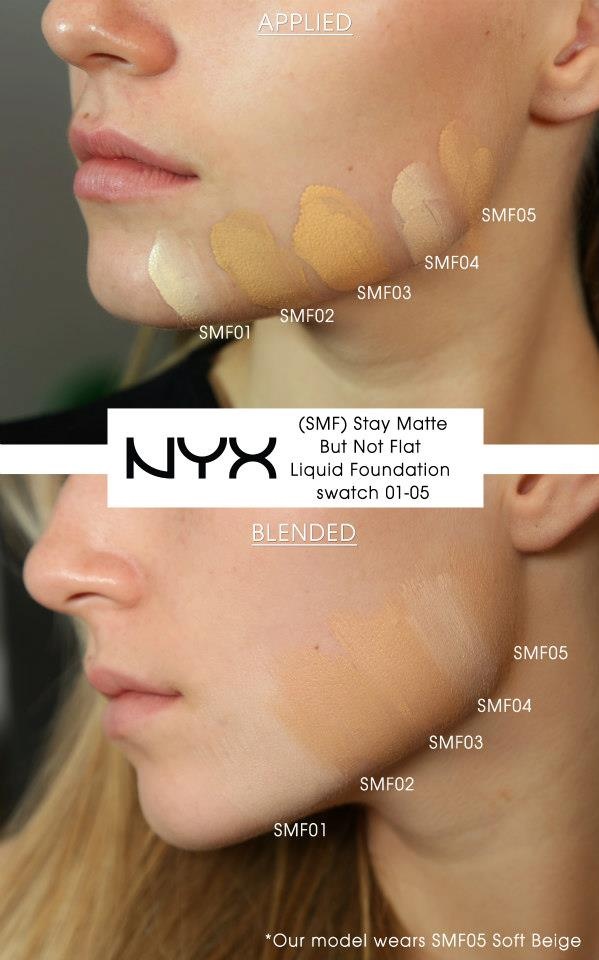
Step 4: Confirm shade without over-rubbing
Sensitive skin hates friction. When shade matching, swipe once and leave it. Let it dry down. Oxidation can shift the color after 10 to 15 minutes, so wait before deciding. If you can, step outside into natural light.
Application tips that prevent burning, pilling, and patchiness
You can buy the perfect foundation and still have a bad face day if your base routine is too aggressive. Think of your skin like fabric: if it is delicate, you use a gentle wash cycle and avoid rough handling.
Prep: simplify, then seal in comfort
On sensitive skin, less product often performs better. Aim for: gentle cleanser, moisturizer, sunscreen (if daytime), then foundation. Let each layer set for a few minutes. If your sunscreen pills under foundation, try switching either the sunscreen or the foundation finish, because silicone-heavy layers can clash with some gel creams.
If you deal with irritation or eczema, a barrier-repair moisturizer before makeup can make a visible difference in texture. For ingredient-backed barrier basics, National Eczema Association guidance on moisturizing is a reliable reference.
Tools: use what minimizes friction
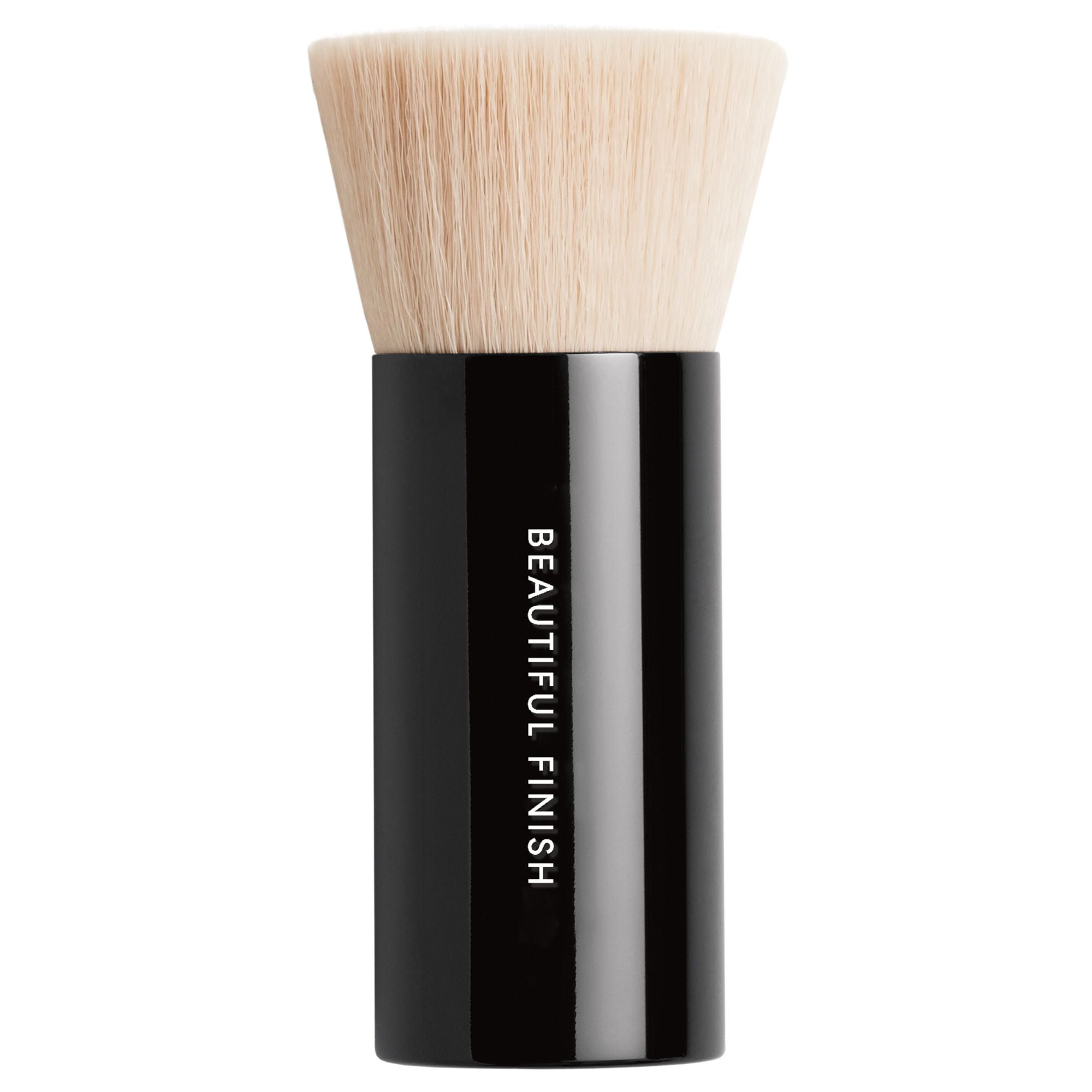
For most sensitive skin, a damp makeup sponge pressed (not dragged) reduces irritation and helps foundation fuse with the skin. If you prefer brushes, use a soft, dense-but-flexible brush and stipple instead of buffing hard. Over-buffing can trigger redness and make coverage look worse.
Technique: thin layers beat full coverage passes
Apply a small amount in the center of the face where redness or discoloration tends to concentrate, then blend outward. If you need more, add another thin layer only where necessary. Spot-conceal rather than piling foundation over reactive areas.
Setting: powder only where you crease or get oily
Full-face powder can dry out sensitive skin fast. Set strategically: sides of the nose, under eyes (lightly), chin, and forehead if needed. A finely milled, fragrance-free powder is usually the safest bet.
Removing foundation without irritating your barrier
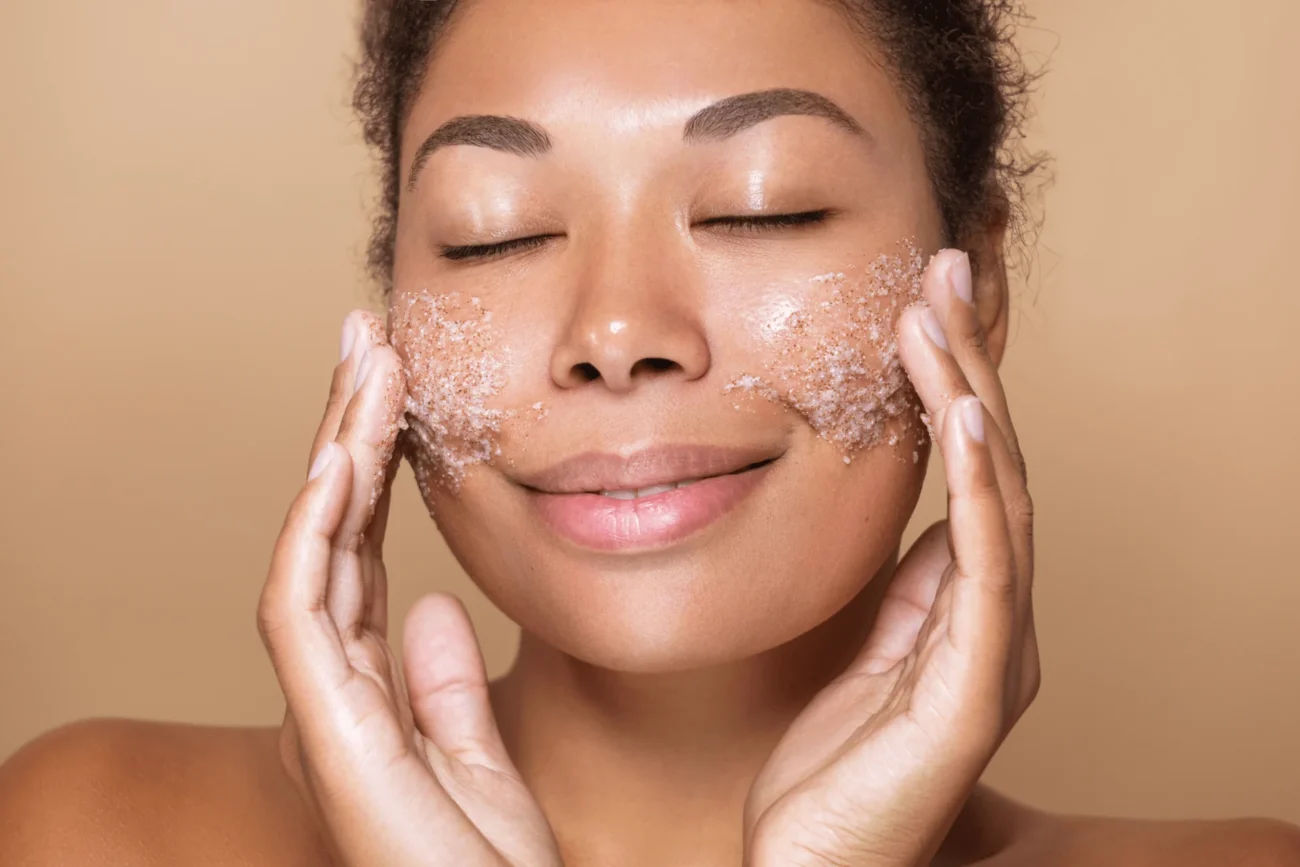
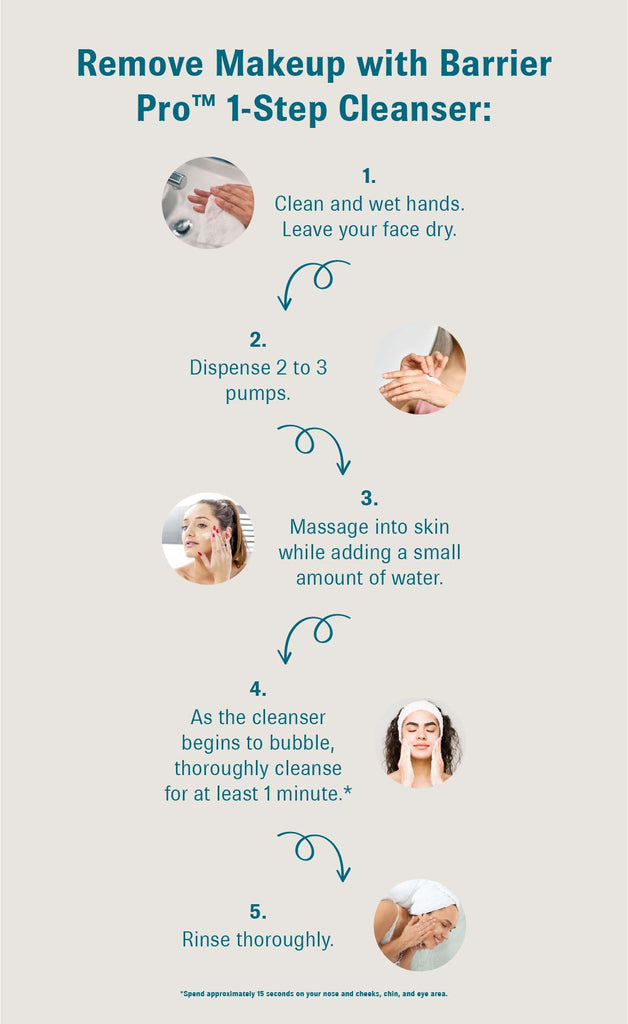
Many “foundation reactions” are really cleansing problems. Scrubbing, harsh wipes, and double cleansing with strong surfactants can leave skin raw, making the next day’s makeup sting.
A gentle approach:
- Loosen makeup with a bland cleansing balm or micellar water (fragrance-free if possible), no aggressive rubbing.
- Cleanse with a mild, low-foam cleanser to remove residue.
- Rehydrate with moisturizer while skin is slightly damp.
If you wear long-wear foundation, you may need a first cleanse, but keep it gentle. Your goal is zero tightness after washing. Tightness is a sign you have over-stripped, which can make tomorrow’s foundation feel like it is “burning” even if the formula is fine.
Quick picks: what to prioritize for common sensitive-skin scenarios
Use these as decision rules when you are scanning options online or standing at the makeup display:
- If you flush easily: fragrance-free, low alcohol, flexible liquid or tint; consider adding a calming primer only if you know you tolerate it.
- If you’re dry and reactive: hydrating base, satin finish, minimal powder; avoid very matte “grip” formulas.
- If you’re acne-prone and sensitive: lightweight, non-greasy feel, easy-to-remove formula; skip heavy balm foundations if they clog you.
- If you’re allergy-prone: shortest ingredient list you can find, patch test, and keep a record of what works.
The takeaway is simple: comfort and predictability matter more than hype. A foundation that looks 5 percent less perfect but feels calm for 10 hours is the real win for sensitive skin.
Conclusion: Choose a fragrance-free, barrier-friendly formula, test it like a scientist, and apply in thin, gentle layers. Pick one foundation to trial this week using the patch-test method above, and you’ll get closer to a base that actually respects your sensitive skin instead of fighting it.

Writer with a background in ergonomics. Enjoys reviewing and discussing home furniture & clothing , that’s comfortable and supportive for the entire family.