
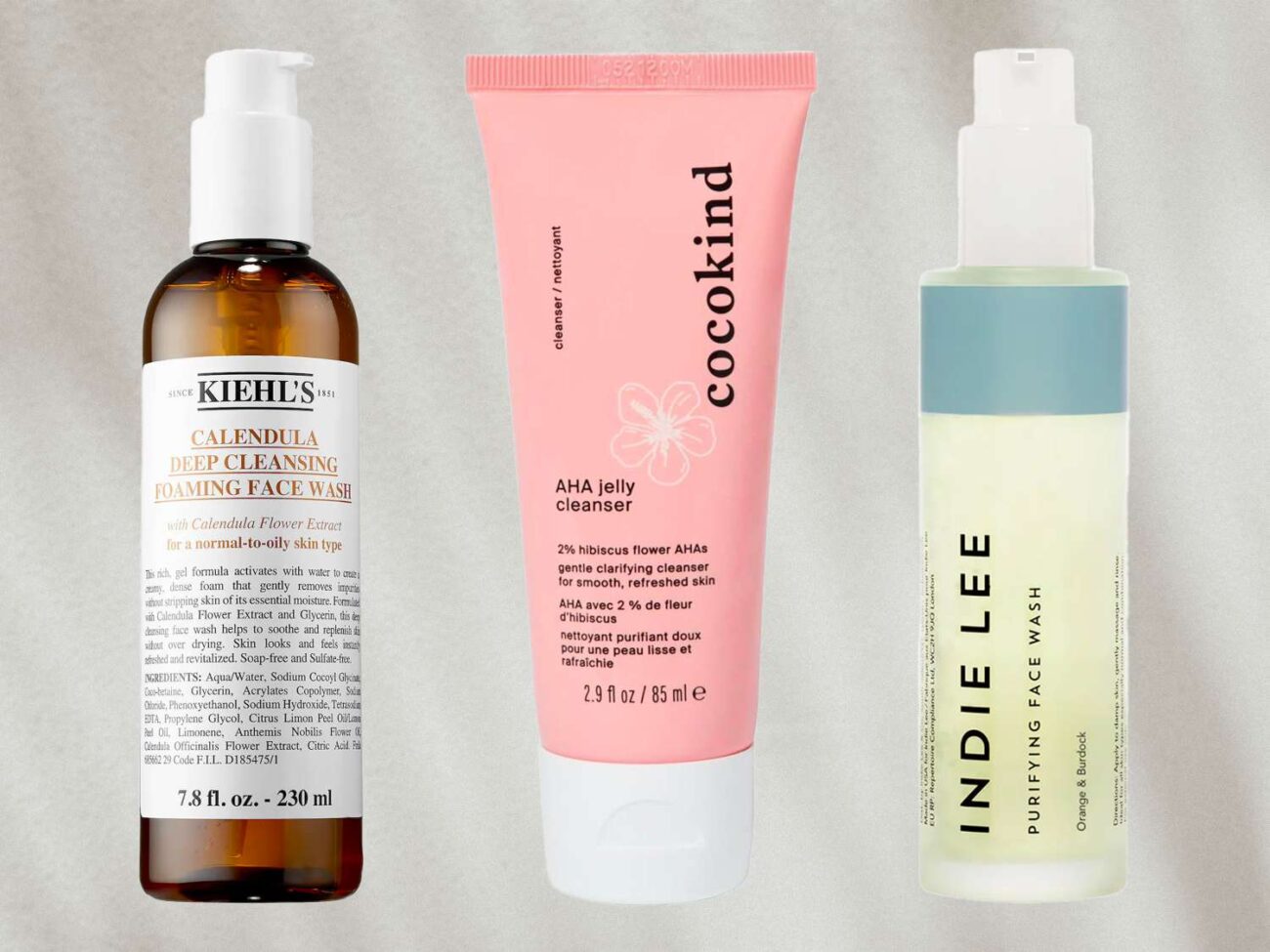
Face wash is one of those everyday products that can quietly sabotage your skin. A cleanser that feels “squeaky clean” may be stripping your barrier, while something overly rich can leave residue that dulls your glow and traps congestion. Add fragrance sensitivities, acne flare-ups, dry patches, and the confusing “natural” labels, and it is easy to end up with a sink-side lineup that never quite works. The good news: the best natural cleanser is not a myth or a one-size-fits-all unicorn. It is a smart match between gentle surfactants, barrier-supporting ingredients, and your skin’s real needs, plus a method that respects pH and microbiome. Below you will find a practical, evidence-leaning guide to choosing and using a natural cleanser that actually behaves.
Table of Contents
What “best natural cleanser” really means (and what it doesn’t)
“Natural” can mean plant-derived ingredients, minimal processing, or simply marketing. Skin does not care about buzzwords; it cares about chemistry: pH, surfactant strength, allergens, and whether your barrier stays intact. Many dermatologists emphasize that cleansing should remove sunscreen, makeup, oil, and pollution without stripping. That principle matters more than whether an ingredient comes from a lab or a leaf. For a grounded perspective, the American Academy of Dermatology’s face-washing tips align with the “gentle first” approach.
When I say “best natural cleanser” in this article, I mean a formula that:
- Uses mild cleansing agents (often coconut, sugar, or amino-acid derived) rather than harsh, high-foaming detergents.
- Supports the barrier with humectants and lipids (glycerin, aloe, plant oils in appropriate amounts).
- Keeps a skin-friendly pH (typically mildly acidic), which helps comfort and reduces that tight feeling.
- Avoids common irritants if you are reactive (heavy fragrance blends, certain essential oils, aggressive exfoliating acids in a “cleanser” step).
- Rinses clean and does not leave a filmy layer unless you specifically want a cleansing balm for makeup removal.
A quick myth check: “Natural” does not automatically mean gentler. Citrus oils, strong peppermint, and high amounts of some essential oils can irritate sensitive skin. If you want a simple overview of why “natural” can still cause reactions, the NIH/NCBI overview on contact dermatitis is a helpful reference point.
The cleanser types that win in real life
Instead of hunting for one magical ingredient, choose the cleanser format that matches what you wear on your face and how your skin behaves. The most reliable “natural-leaning” options generally fall into three buckets.
1) Gentle gel or cream cleanser (daily driver)
If you wear sunscreen (you should), light makeup, or live in a city, a low-foam gel or creamy cleanser is often the easiest everyday choice. Look for plant-derived surfactants such as coco-glucoside, decyl glucoside, sodium cocoyl glutamate, or sodium lauroyl methyl isethionate paired with glycerin or aloe.
Who it is best for: normal, combination, sensitive, and acne-prone skin that hates harsh scrubbing.
What to avoid: high fragrance loads and “minty tingle” formulas, especially if you flush easily.

2) Cleansing oil or balm (makeup and sunscreen specialist)
Oil cleansing is not a trend; it is practical chemistry. Oils dissolve oils, which makes them great for breaking down water-resistant sunscreen and long-wear makeup. The key is emulsification: the formula should turn milky with water so it rinses off rather than sitting on the skin. Plant oils like sunflower, safflower, grapeseed, and jojoba can work beautifully, especially when paired with an emulsifier.
Who it is best for: dry skin, makeup wearers, and anyone who struggles to remove sunscreen with a single wash.
Pro tip: If you are acne-prone, do not fear oils automatically, but choose lighter options and always emulsify thoroughly. If you want a solid, accessible explanation of cleansing steps and when double-cleansing helps, check Lab Muffin’s science-based guide to oil cleansing.
3) Micellar water (low-friction, travel-friendly)
Micellar waters use mild surfactant “micelles” to lift grime with minimal rubbing. They can fit a “natural” routine if the formula is fragrance-free and designed for sensitive skin. Consider rinsing afterward if you are reactive, since leaving surfactants on the face can bother some people.
Who it is best for: very sensitive skin, quick morning cleanses, and gym bag use.
Ingredient strategy: what to seek, what to skip, and why
Reading labels gets easier when you focus on function. Below is a practical cheat sheet you can use in the aisle.
Supportive ingredients that often make a natural cleanser feel better
- Glycerin: classic humectant that helps prevent that tight, papery feel after rinsing.
- Aloe vera: can add slip and comfort (though aloe can still irritate a small subset of people).
- Oat (colloidal oatmeal, oat extract): a calming option, especially for easily upset skin.
- Panthenol (pro-vitamin B5): supports softness and barrier feel.
- Green tea: antioxidant support, nice in gentle formulas.
Natural ingredients that can backfire (use with intention)
Essential oils are the big one. Lavender, tea tree, citrus, and peppermint are common in “clean” products, yet they can trigger irritation or allergy in sensitive users. Another frequent issue is overly abrasive particles marketed as “natural exfoliation” (apricot shell, walnut powder). If you want exfoliation, it is usually safer to separate cleansing from exfoliating and use a leave-on exfoliant in a controlled way, not a scratchy wash.
Also be cautious with high-pH soaps labeled as natural. Traditional soap can be quite alkaline, which may worsen dryness and compromise barrier comfort for some people. If you are curious about skin pH and why gentle, mildly acidic cleansing is often recommended, the review on skin pH and barrier function (NCBI) is a useful deep dive.
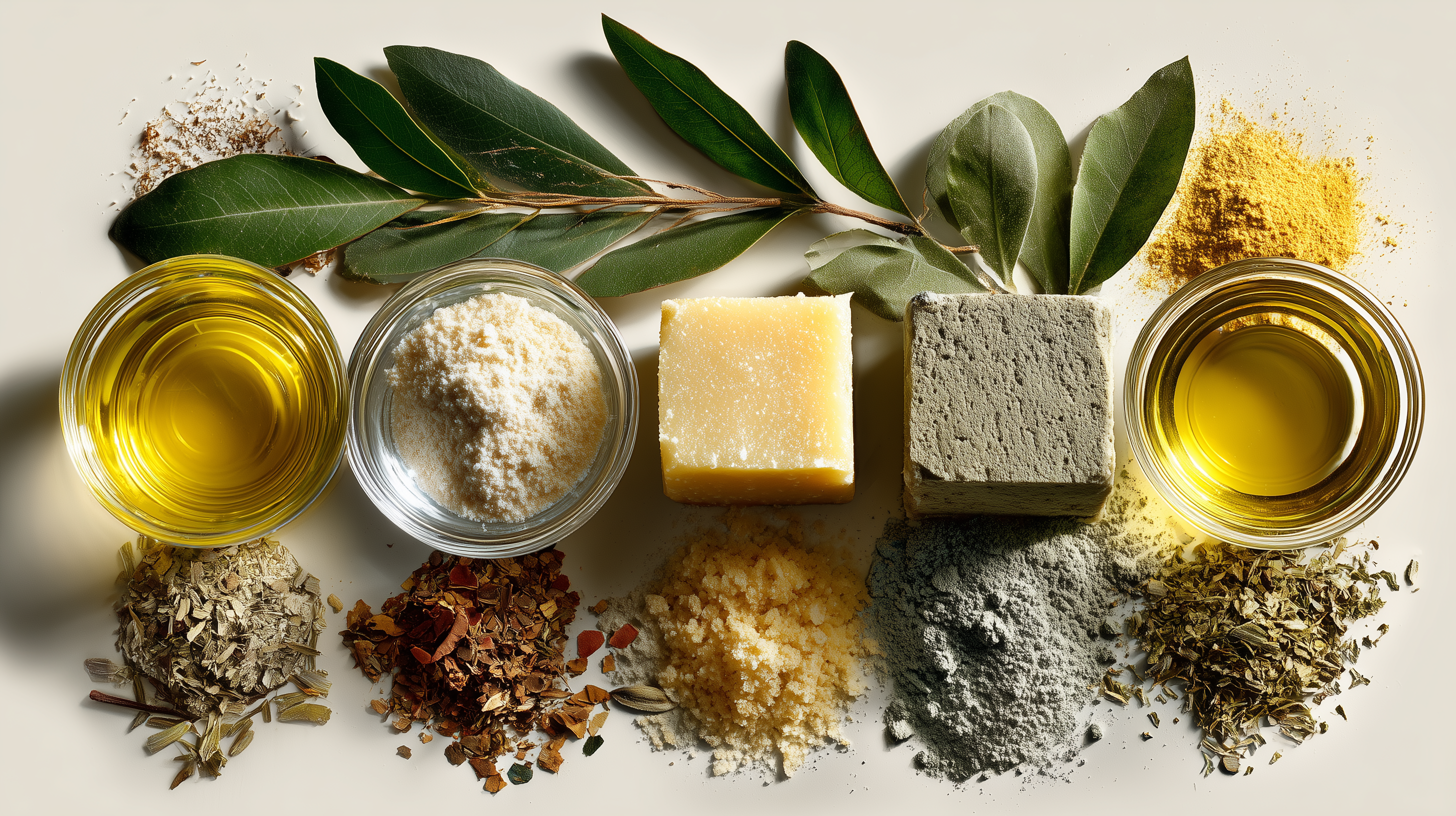
Match the “best” natural cleanser to your skin type
The fastest way to get results is to stop choosing cleansers by vibe and start choosing them by friction tolerance, oil production, and how often you get irritated.
Dry or easily dehydrated skin
Pick a cream cleanser or a cleansing oil followed by a very gentle second cleanse only if needed. Prioritize glycerin, oats, and panthenol. Keep wash time short, use lukewarm water, and pat dry. If your face feels tight within three minutes, your cleanser is too stripping or you are cleansing too long.
Oily or acne-prone skin
Go for a mild gel with a thorough rinse. “Natural” does not have to mean heavy oils. If you like oil cleansing for sunscreen removal, choose an emulsifying oil/balm and follow with a gentle gel. Avoid harsh scrubs and heavy fragrance blends. For acne education that is straightforward and evidence-leaning, the AAD acne skin-care recommendations are worth bookmarking.
Sensitive or redness-prone skin
Fragrance-free matters more than “organic.” Choose minimal formulas, avoid essential oils, and keep water temperature lukewarm. Micellar water can be a good option, but consider a quick rinse after to reduce residue.
Combination skin
A balanced low-foam gel or light cream cleanser is usually the sweet spot. If you get flaky around the nose but shiny on the forehead, resist the urge to “degrease” the T-zone. Over-cleansing can push your skin into a rebound cycle.
How to use a natural cleanser so it performs like a pro product
Great formulas can still fail with the wrong technique. These are the habits that make the biggest difference.
- Wash for 20 to 30 seconds. Enough time to dissolve sunscreen and oil, not so long that you strip.
- Use lukewarm water. Hot water feels relaxing but can worsen dryness and redness.
- Do not scrub with a towel. Pat dry and apply moisturizer while skin is slightly damp.
- Double-cleanse only when you need it. Heavy sunscreen, makeup, or pollution days: oil/balm first, gentle gel second. Bareface day: one gentle cleanse is fine.
- Watch the “after-feel.” Comfortable and calm beats squeaky and tight.

Quick buying checklist (print this mentally)
When you are comparing options, aim for these cues:
- Low fragrance or fragrance-free, especially if you have eczema, rosacea tendencies, or frequent irritation.
- Mild surfactants and added humectants (glycerin is a great sign).
- Clear purpose: daily gentle cleanse vs makeup-removing balm, rather than an all-in-one “detox” claim.
- Rinses clean without leaving your skin tight.
If a product is labeled “natural” but relies on lots of essential oils for scent, aggressive exfoliants for “glow,” or harsh soap bases for “purity,” it is not automatically a bad product, but it is less likely to be the best natural cleanser for everyday barrier health.
Small, smart advice: if you are switching cleansers because your skin is acting up, change only one thing at a time and give it at least 10 to 14 days. Cleansers can irritate quickly, but barrier recovery and calmer baseline often take a little patience.
Patch testing is also underrated. Apply the cleanser to a small area (jawline or behind the ear) for a few days to see if redness or itching shows up. It is a low-effort step that can save you from a full-face flare.
Conclusion
The best natural cleanser is the one that leaves your skin clean, calm, and comfortable every day, not the one with the most botanical buzzwords. Choose a gentle format, avoid common irritants, and use a technique that protects your barrier. Pick one option that fits your skin type, test it for two weeks, and let your results, not the label, decide.

Related posts:
 Best Body Washes for Sensitive Skin: Gentle Cleansers That Actually Work
 Best Foundations for Sensitive Skin: Gentle, Flawless Coverage Without Irritation
 Best Makeup Brush Cleaners: The Easy Way to Keep Your Brushes Fresh and Flawless
 Best Makeup Products for Daily Use: Your Effortless Everyday Essentials