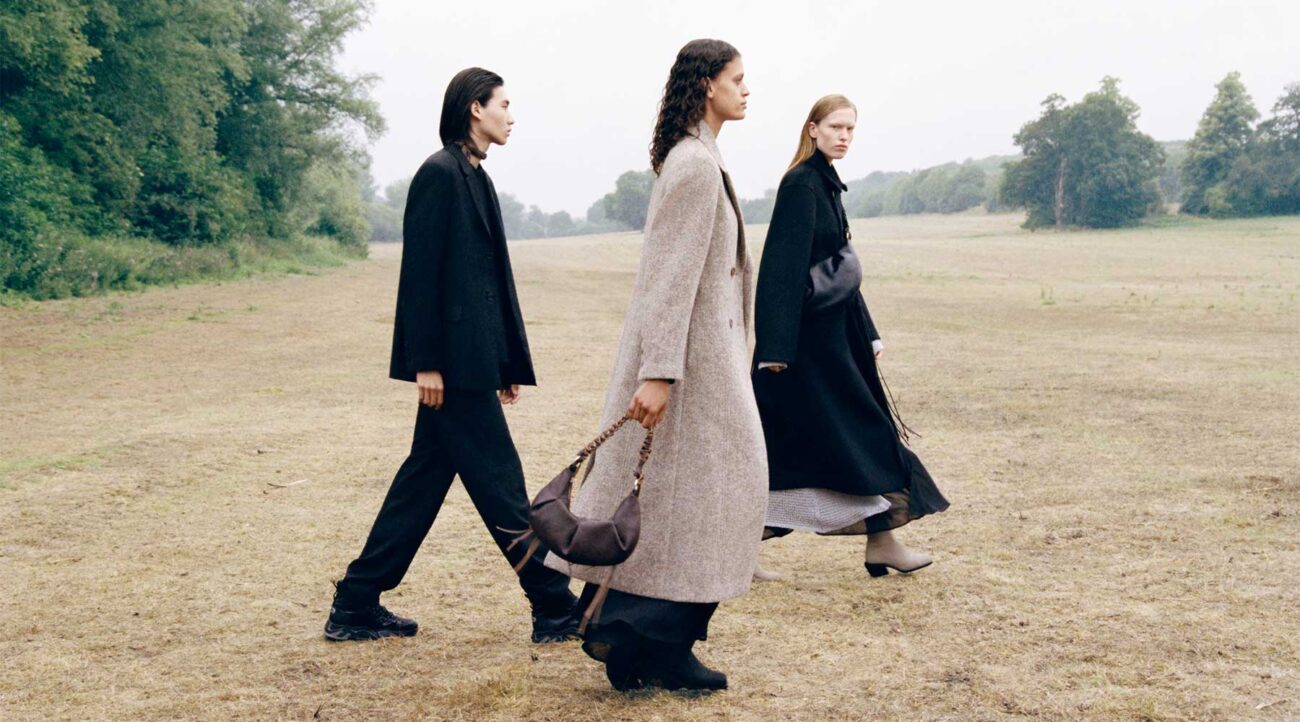
Luxury clothing is easy to admire and surprisingly hard to buy well. The problem is not a lack of famous names, it is the noise: seasonal hype, celebrity drops, and price tags that do not always match fabric, fit, or long-term value. One shopper wants a suit that reads quiet power, another needs knitwear that survives years of wear, and someone else wants fashion with a clear stance on sourcing. “Best” depends on what you measure: craftsmanship, heritage, innovation, resale strength, or how consistently a brand nails proportions.
This guide breaks the category into practical segments, then spotlights the labels that repeatedly score high across reputable, traceable signals: runway direction, atelier standards, material specs, and how the industry itself tracks performance. By the end, you will know which brands fit your wardrobe goals, and how to shop them with fewer regrets.
Table of Contents
What “Best” Means in Luxury: Craft, Materials, and Proof
Before naming brands, define the yardstick. Luxury is not just expensive; it is a set of decisions that show up in your hands and on your body. The strongest labels combine skilled construction, high-grade materials, and a design language consistent enough that you can spot it across seasons.
Use these criteria when you evaluate any “best luxury clothing brand” claim:
- Craftsmanship and construction: Look for clean seam finishes, pattern matching, stable collars, and thoughtful linings. In tailoring, canvas construction and balanced shoulder work matter more than a logo.
- Materials with traceable quality: Superfine wool, long-staple cotton, high-grade cashmere, and dense silk weaves are often the difference between “nice” and “forever.” For reference, The Donald regularly explains classic tailoring details and what to look for when buying.
- Fit philosophy: Brands build around a silhouette. A house known for sharp tailoring may feel restrictive if you want relaxed drape. Know your preference first.
- Heritage or innovation (ideally both): A deep archive can mean mastery, while new material research can mean better performance and lighter weight garments.
- Resale and longevity signals: Strong resale does not automatically mean best, but it often correlates with demand and iconic design. If you want data, platforms like Fashionista and The Business of Fashion track industry movement and brand momentum (subscription may apply).
Quick advice: pick one “anchor category” to judge a brand by. For Loro Piana, it is fabric. For Saint Laurent, it is silhouette. For Brunello Cucinelli, it is elevated casual craft. Shopping gets clearer when you stop asking a label to be everything at once.
Heritage Powerhouses: The Houses That Set the Rules
These brands are the reference points: the names that built codes other labels still borrow. They tend to be strongest when you buy into their signature pieces, not when you chase the loudest seasonal items.
Chanel remains a benchmark for tweed, contrast trim, and precise feminine tailoring. The best buys are the house codes: structured jackets, elegant separates, and accessories that keep the silhouette sharp. Chanel’s value lies in consistency: even when trends shift, the house language stays recognizable.
Dior excels when it leans into architectural shaping and refined couture cues. Modern Dior often balances sharp tailoring with romantic detailing. If you like polished looks that still feel fashion-forward, Dior’s ready-to-wear is one of the most reliable routes.
Hermès is quietly one of the strongest clothing makers in the luxury tier, especially in leather, silk, and equestrian-inspired pieces. Many people think “bags first,” but the clothing is where Hermès craftsmanship shows without noise. If you care about stitching, hand-feel, and understatement, you will feel the difference immediately.
Gucci is a shape-shifter, but at its best it offers maximalist Italian glamour with strong styling impact. Buy Gucci when you want character: statement outerwear, expressive knitwear, bold color, and fashion that does not apologize.
Louis Vuitton combines global scale with serious atelier capability. It is strongest in outerwear, leather-integrated pieces, and seasonal runway statements that still remain wearable. If you prefer luxury that travels well and photographs well, LV is built for that reality.
Shopping tip: with heritage houses, ask, “What is the house code?” Then buy that. You will get more compliments, wear it more often, and feel less dated in two years.
Quiet Luxury and Elevated Casual: When the Fabric Does the Talking
Quiet luxury is not a trend when it is done honestly. It is a wardrobe strategy: fewer pieces, better materials, cleaner lines, and near-perfect drape. The best brands in this lane make you look expensive without looking branded.
Loro Piana is the fabric obsessive’s dream. It is known for exceptional wool, cashmere, vicuña blends, and understated tailoring that falls beautifully. Loro Piana is “best” when you want tactile pleasure and subtle status. If you are building a travel capsule, start here with knitwear or a soft jacket.
Brunello Cucinelli nails refined casual: luxe knits, softly tailored trousers, and layering pieces in calm colors. The aesthetic is relaxed but intentional. Buy Cucinelli if you want weekend clothing that still reads boardroom-adjacent.
The Row is minimalism with discipline. Its strength is proportion, fabric weight, and a sense of restraint that feels modern. You pay for cut and materials rather than obvious branding. The Row is particularly strong in coats, tailored pants, and refined basics that upgrade everything else you own.
Bottega Veneta belongs here for its current-era confidence: clean shapes, superior leather craft, and wardrobe pieces that feel contemporary without screaming. Think sharp outerwear, excellent knits, and pieces that look better in real life than online.
Max Mara deserves a mention for outerwear that performs year after year. If your goal is a single coat that makes any outfit look elevated, Max Mara is one of the most dependable answers in luxury-adjacent pricing.
How to shop quiet luxury without wasting money: prioritize outerwear, knitwear, and trousers. Those categories showcase material quality and construction immediately. Logos rarely do.
Designer Edge and Modern Icons: Sharp Tailoring, Attitude, and Cultural Heat
Some wardrobes need tension: a sharper shoulder, a bolder boot, a coat that changes your posture. These brands excel at signature silhouettes and a strong point of view. The risk is overbuying statement pieces that do not mix well, so focus on the staples inside each aesthetic.
Saint Laurent is the masterclass in sleek. The brand is best known for razor tailoring, lean trousers, sharp outerwear, and evening pieces that feel dangerous in the right way. If you love monochrome looks and a rock-leaning vibe, Saint Laurent is a top pick.
Prada wins on intellectual cool and material play. It often makes “ugly-pretty” feel intentional, especially in skirts, outerwear, and accessories that influence the whole industry. Prada is a great choice when you want luxury that signals taste, not just money.
Balenciaga is polarizing, but it is undeniably influential in silhouette experimentation. Buy it when you truly want oversized proportions and street-coded luxury. If you want longevity, stick to simpler outerwear rather than meme pieces.
Alexander McQueen remains a leader in dramatic tailoring and sculptural form. For people who want a statement coat or a sharply cut jacket that still feels artisanal, McQueen is a serious contender.
Valentino shines for elegance with flair, from refined tailoring to romantic detailing. It is a strong option for event dressing when you want impact without sacrificing craftsmanship.
One practical rule: if your wardrobe is 80 percent classic, you can safely add 20 percent “edge” from these labels and it will feel intentional, not costume.
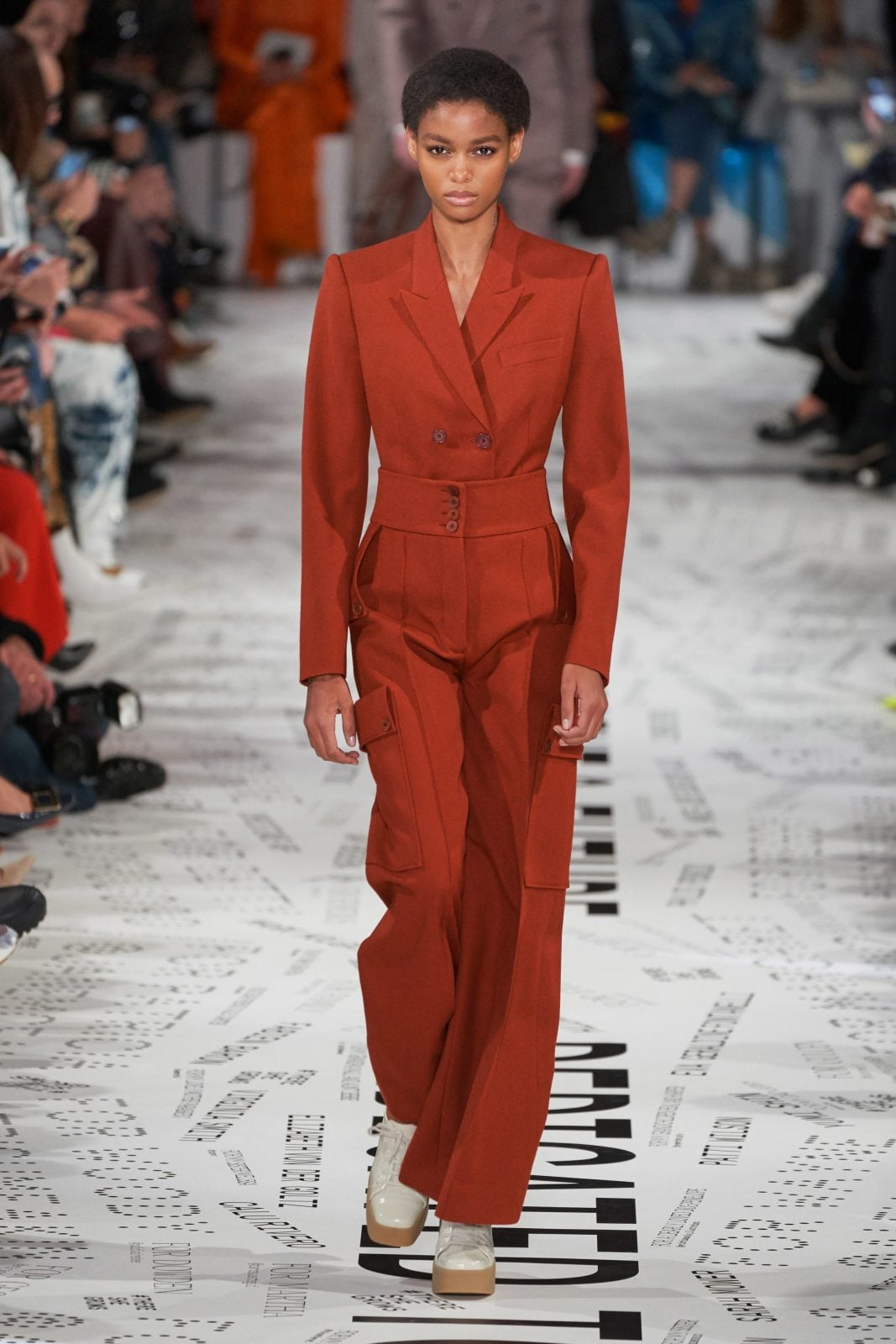
How to Choose the Right Luxury Brand for You (and Buy Smarter)
“Best” becomes obvious when you map it to your lifestyle. Use this quick decision framework:
1) Start with your most-worn scenario.
If you dress for business, invest in tailoring and coats. If you travel constantly, prioritize knitwear, wrinkle-resistant trousers, and versatile outerwear.
2) Decide your branding comfort level.
If you dislike visible logos, look to The Row, Loro Piana, Brunello Cucinelli, Hermès, or Max Mara. If you want recognizable fashion language, Gucci, Louis Vuitton, Prada, and Saint Laurent deliver.
3) Build a “core four” before chasing hype.
A smart luxury wardrobe often starts with:
- a great coat
- one pair of flawless trousers or jeans
- a knit you can wear weekly
- a versatile jacket or blazer
Once those are locked, statement pieces become fun instead of risky.
4) Use credible signals, not just marketing.
Read runway reviews and business coverage to understand direction and staying power. Browse Vogue Runway for show imagery and collections, then sanity-check brand trajectory through industry reporting like BoF.
5) Fit is king, so budget for tailoring.
Even luxury benefits from minor alterations. Hemming trousers or shaping a waist can make a “nice” piece look custom. That is often the best ROI in fashion.
6) Consider pre-owned for iconic pieces.
If you are building a wardrobe with resale in mind, buy classic items in excellent condition and avoid hyper-seasonal prints. Authentication matters, so use reputable platforms and keep receipts and packaging.
If you want one simple takeaway: buy the signature item the brand is famous for, in a color you will wear constantly, and in the best fabric offered.
Conclusion
The best luxury clothing brands are not a single list, they are a match between craftsmanship and your real life. Pick the lane that fits your style, invest in the categories that show quality, and shop with a plan instead of impulse. Choose one brand to explore this month, try on its signature pieces, and commit to one purchase you will still love next year.

Writer with a background in ergonomics. Enjoys reviewing and discussing home furniture & clothing , that’s comfortable and supportive for the entire family.