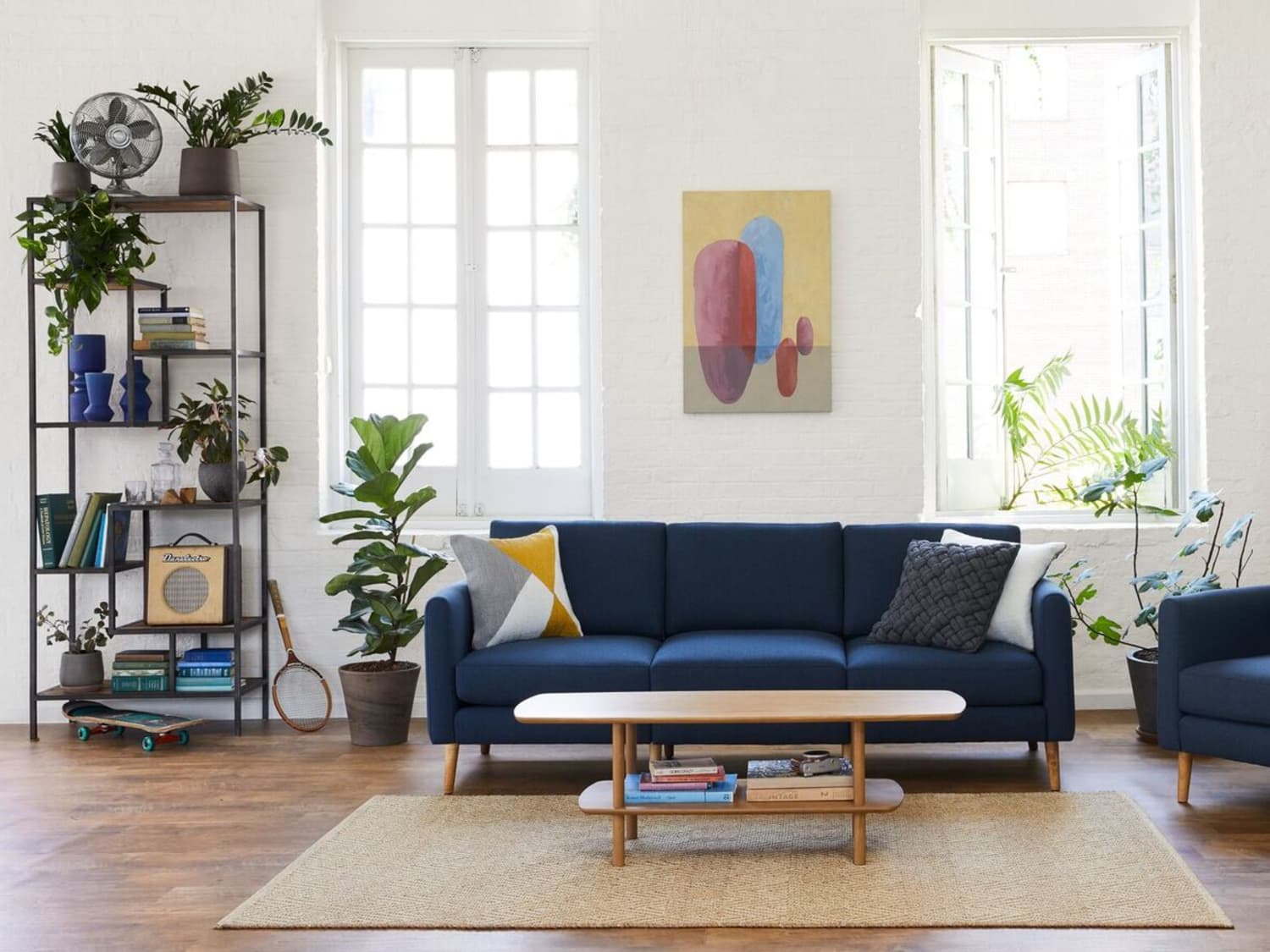
Buying furniture online looks easy right up until you try to match a sofa to your space, your lifestyle, and your budget. Product photos feel staged, dimensions look abstract, and reviews can swing from “best purchase ever” to “arrived damaged” in the same listing. Add in shipping fees, assembly surprises, and return policies written like fine print on a contract, and the “quick upgrade” becomes a stressful project. The good news is that the best furniture online stores have learned from years of customer pain: they provide clear specs, real-life photos, fabric swatches, transparent delivery options, and returns you can actually use. This guide breaks down what separates great retailers from risky ones, which stores shine for different needs, and how to shop like a pro so your new pieces arrive looking like your plan, not your compromise.

Table of Contents
What “Best” Really Means for Online Furniture Shopping
“Best” is not one store. It is the store that fits your priorities: design, durability, speed, price, or white-glove service. When you can’t touch a finish or sit on a cushion, the retailer’s systems have to replace that sensory check. The most reliable online furniture stores tend to do five things consistently well: measurement clarity, material transparency, shipping visibility, damage handling, and long-term support.
Start with sizing. A great product page gives overall dimensions, seat depth, arm height, clearance under the frame, and sometimes packaged dimensions too. If you’re planning around small spaces, cross-check measurements with a free room planner like Room Planner or the measurement tips from Architectural Digest.
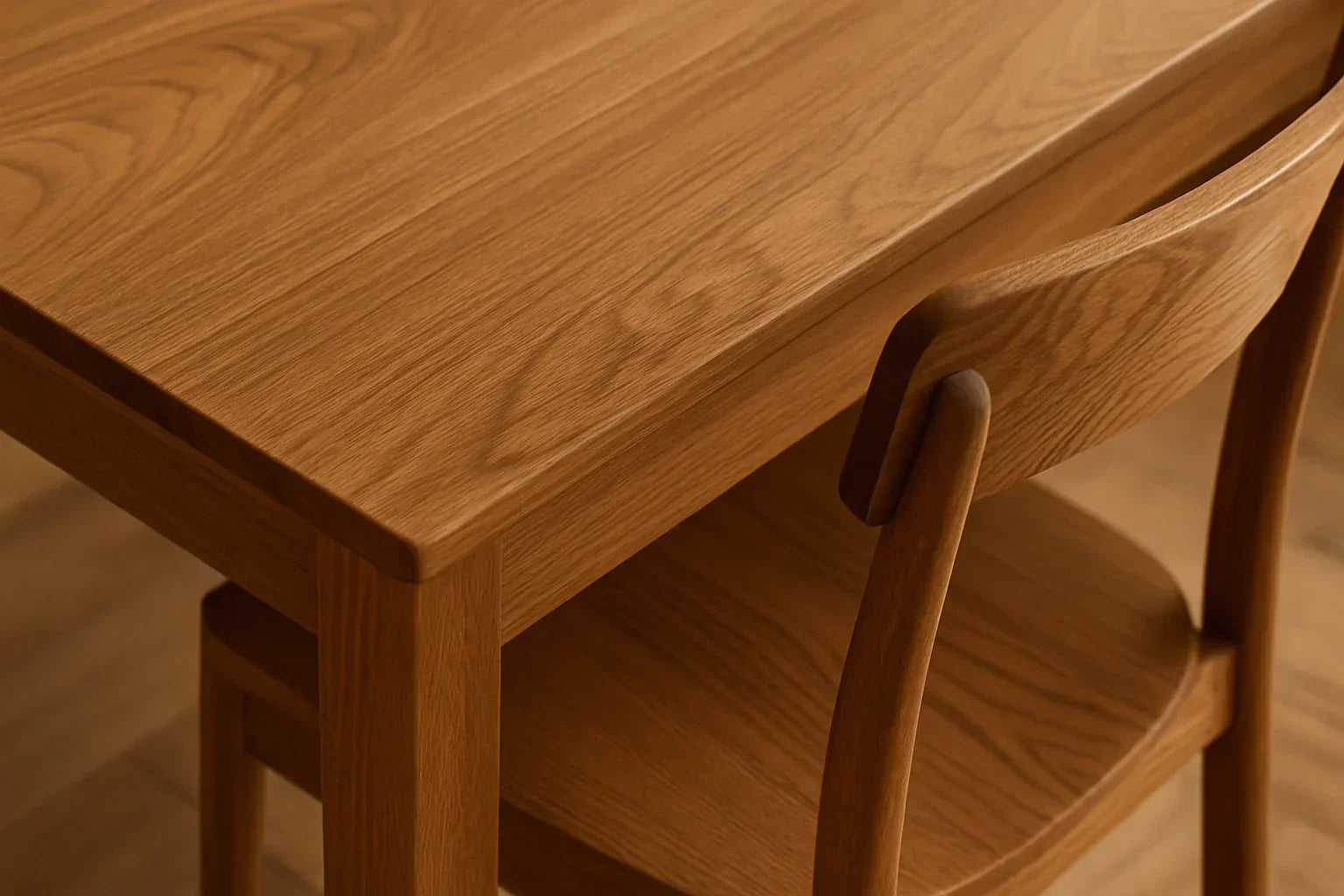
Next, materials. Solid wood vs engineered wood, top-grain leather vs bonded, kiln-dried hardwood frames vs mixed softwoods: these details predict how a piece will age. Trusted retailers list construction methods and care instructions, and they make it easy to order swatches for upholstery.
Then comes delivery. A “best” store tells you the difference between threshold drop-off, room-of-choice delivery, and white-glove assembly, and it quotes realistic lead times. If a retailer can show tracking stages and appointment windows, that is a strong signal they have mature logistics.
Finally, returns and damage resolution. Furniture is bulky and mistakes happen. Stores that stand out typically offer straightforward return windows and clear processes for replacement parts or repairs. Before you click buy, scan policy basics and consumer rights guidance from the FTC to understand what to document if something goes wrong.
The Best Furniture Online Stores by Shopping Style
Instead of ranking every retailer in one list, it’s more useful to group them by what they do best. Below are proven options with distinct strengths, based on consistent patterns in product transparency, customer experience, and logistics performance.
Design-forward retailers (when aesthetics lead)
If you want a curated look and coherent collections, these stores excel at modern silhouettes, coordinated finishes, and strong styling photography:
- West Elm: Modern classics, lots of upholstery choices, and frequent fabric options. Great for building a cohesive room, especially if you like warm woods and clean lines.
- CB2: Trend-forward pieces, often bolder and more sculptural. Ideal if you want your furniture to look like it came from a boutique studio.
- Article: Streamlined modern design with clear materials info and approachable pricing for the style. Often a sweet spot for “nice but not precious.”
Expert tip: when a product comes in multiple fabrics, prioritize performance textiles for living rooms, especially if you have kids or pets. Look for “rub count” (abrasion resistance) and stain-resistant weaves, and order swatches if lighting in your home is tricky.

Value and breadth (when selection and price matter)
These retailers offer a wide range of styles and price tiers. The tradeoff is that quality varies more by brand and collection, so you have to shop a bit more carefully:
- Wayfair: Massive catalog and strong filtering tools. Use verified buyer photos and pay attention to material specs and weight limits.
- Overstock: Rotating deals and a broad mix of styles. Great for filling out a home quickly, especially for guest rooms and secondary spaces.
- IKEA: Still one of the smartest options for small-space problem solving, modular storage, and replaceable parts. Read assembly requirements honestly before committing.
Advice you will thank yourself for later: on value sites, search for items that list frame material, joinery, and cushion fill. A low price can be fine if you know exactly what you’re getting. If a listing is vague, treat it as a yellow flag.
Premium and heirloom-leaning (when quality is the point)
If you want fewer purchases over time, lean toward retailers that highlight construction details and offer customization. These can cost more upfront but often feel better day to day:
- Room & Board: Excellent reputation for solid construction and timeless design. A strong option for sofas, beds, and dining pieces that need to last.
- Pottery Barn: Classic silhouettes, good upholstery programs, and lots of coordinating decor. Great for polished, comfortable rooms.
- Crate & Barrel: Elevated basics and well-made staples, especially dining and living room pieces.
What to look for at this level: kiln-dried hardwood frames, corner blocking, sinuous springs or well-engineered webbing, and removable cushion covers when possible. Those details determine whether a sofa still feels supportive in year five.
Fast shipping and apartment-friendly (when timing is tight)
Sometimes you need a couch before guests arrive or a bed frame before moving day. These retailers are often picked for speed, straightforward delivery, and practical assembly:
- Amazon: Useful for quick basics like desks, simple storage, and budget seating. Stick to well-reviewed brands with abundant customer photos.
- Target: Stylish for the price, especially small-space storage, accent chairs, and occasional tables. Good for mixing in affordable pieces that still look intentional.
- Walmart: Practical and budget-forward with a wide range. Best for utility purchases, starter apartments, and kids’ rooms.

How to Shop Like a Pro: A Checklist That Prevents Regret
Great stores help, but smart process matters more. Use this method and you will avoid most of the common online furniture mistakes.
1) Measure twice, then measure the path
Measure the room, but also the route: entry door width, hallway turns, stairwell clearance, elevator size, and ceiling height at tight corners. Compare this to both the assembled dimensions and the packaged dimensions if provided. If you’re ordering a sectional, confirm whether it ships in multiple boxes and whether the largest box will make the turn.
2) Translate photos into real scale
Retailers love wide-angle shots that make furniture look lighter and smaller. Anchor scale using the seat height and depth. For sofas, many people are happiest around a seat depth that supports their posture, not the deepest lounge look. If you’re unsure, look for user-uploaded photos and read comments from people with similar height and living space.
3) Read the specs like you’re buying equipment
Furniture is functional gear you live on. Scan for:
- Frame: kiln-dried hardwood is a strong signal for longevity in upholstered seating.
- Cushions: high-resiliency foam and a decent density usually hold shape longer than soft, low-density fills.
- Joinery: dowels, mortise-and-tenon, corner blocks often outperform staples alone.
- Finish: watch for veneer thickness and care requirements for natural stone or marble.
4) Price the “real total”
The checkout number is not always the final number. Add delivery tier, assembly, removal of packaging, and potential return shipping. Some retailers offer free delivery but charge for returns on large items. If you’re comparing two stores, build a simple spreadsheet with item price, tax, delivery, and return costs.
5) Verify return windows and damage reporting rules
Many stores require damage to be reported within a short timeframe. When your order arrives, take photos of the boxes before opening, then photograph any damage immediately. Keep packaging until you’re sure you’re not returning. For mattresses or upholstered pieces, confirm whether returns require original packaging or specific pickup scheduling.
6) Use swatches and samples strategically
If a store offers swatches, order them. If not, buy the smallest coordinating item first, like an ottoman or dining chair, to test color and comfort. Light changes fabric dramatically, especially with velvet, boucle, and performance weaves.
Common Pitfalls and How the Best Stores Help You Avoid Them
Even experienced shoppers get tripped up by the same issues. Here’s what to watch for, and how strong retailers reduce the risk.
Mismatch between expectations and firmness
Comfort is personal. The best stores describe feel plainly: supportive, medium, sink-in, structured. Some provide cushion construction diagrams and let you choose fill. When reviews mention “too firm” or “too soft,” check the reviewer’s context: body type, usage, and whether the sofa softened after a break-in period.
Color surprise
White balance and professional lighting can shift tones. Great retailers show multiple photos, closeups of texture, and lifestyle images in different lighting. Still, swatches remain the safest move, especially for large pieces like sectionals and rugs.
Assembly reality
“Some assembly required” can mean “attach legs” or “two-hour puzzle.” Look for downloadable instructions before purchase. Stores like IKEA publish manuals upfront, which makes planning easier. If you hate assembly, pay for white-glove service where available and confirm it includes packaging removal.
Quality inconsistency across big marketplaces
Large catalogs are not automatically risky, but they demand better filtering. Use buyer photos, search within reviews for keywords like “solid wood,” “wobbly,” “aligned,” and “packaging.” Check weight limits for beds and dining chairs. If a listing does not specify materials clearly, move on.
Final Take: Match the Store to Your Priorities
The best furniture online stores are the ones that make the invisible visible: honest specs, real-life photos, predictable delivery, and fair policies when things go wrong. Pick two or three retailers that align with your style and risk tolerance, measure carefully, and treat swatches and reviews as part of the purchase, not an afterthought. Choose one room to upgrade first, shortlist your top pieces today, and order samples so you can buy with confidence this week.

Writer with a background in ergonomics. Enjoys reviewing and discussing home furniture & clothing , that’s comfortable and supportive for the entire family.