

Affordable makeup has a reputation problem. Some people still assume “cheap” means chalky powders, patchy pigment, or foundation that oxidizes into an orange surprise by lunch.
Others have the opposite issue: they buy one pricey product after another, hoping it will finally fix texture, pores, acne marks, or dry patches, only to discover the results depend more on formulation and technique than a luxury logo.
The good news is that the drugstore and budget beauty space has grown up fast. Ingredient lists are smarter, shade ranges are broader, and performance is often comparable to mid-range staples.
This guide breaks down what “best affordable makeup” really means, how to choose products that work for your skin type, and which categories give you the biggest payoff. You will leave with a buildable routine that looks polished, lasts, and stays within budget.
Table of Contents
What “best affordable makeup” actually means (and how to spot it)
“Affordable” is personal: for some, it means under $10; for others, it means “worth it” at $15 to $20 if it replaces multiple steps. I prefer a practical definition: products that deliver consistent wear, predictable blending, and skin-friendly comfort at a price that lets you repurchase without guilt. The easiest way to get there is to judge performance, not packaging.
Start by checking a few evidence-based signals:
- Shade and undertone logic: Brands that label undertones clearly and offer more than a handful of shades reduce mismatch risk. If you need help identifying undertone, the American Academy of Dermatology has practical guidance on tone and undertones.
- Finish that matches your skin type: Matte foundations can exaggerate dryness; dewy bases can slide on oily zones. Choose finish based on where you get shiny or flaky.
- Ingredient compatibility: If you are acne-prone or sensitive, scan for common irritants (strong fragrance, certain essential oils). The AAD acne skin-care tips are a solid reference for avoiding triggers.
- Wear tests and swatches: Look for multiple reviewers across skin types. A single viral clip is not a “study.”
- Return policy: The best budget strategy is buying from retailers with easy returns so you can shade-match without panic.
One more expert tip: expensive products often win on experience (scent, packaging, “feel”), while affordable products can win on raw performance. Your face does not care about a magnetic compact; it cares about pigment, binders, and how well the formula plays with your skincare.

The core affordable kit: base, brows, cheeks, eyes, lips
If you want the most impact for the least money, build your kit in this order: base that evens, brows that frame, cheeks that add life, then eyes and lips for personality. Below is a category-by-category playbook (not a single-brand sales pitch) based on how formulas typically behave and what tends to be reliably good at budget price points.
1) Base: skin tint or foundation + concealer + powder (optional)
For normal to dry skin: Look for hydrating foundations and concealers described as “serum,” “radiant,” or “moisturizing.” These usually contain humectants (like glycerin) and flexible film formers that move with the skin. Skip heavy powder all over; set only where you crease or get shiny.
For oily to combo skin: Choose a long-wear or soft-matte base, but do not chase ultra-matte at all costs. A thin layer that sets well beats a thick layer that cracks. A light setting powder on the T-zone is often enough.
For textured skin: Your best affordable “primer” might be skincare. If you have flaking or irritation, gently repairing the barrier can make any foundation look smoother. The CeraVe skin barrier overview explains what to prioritize (ceramides, gentle cleansing, consistent moisturizing).
Technique tip: Apply base in thin layers, then spot-conceal. This looks more natural and makes budget formulas perform like higher-end ones.
2) Brows: pencil + gel
Brows are where affordable makeup shines. A slim pencil gives structure; a tinted or clear gel adds lift and holds shape. The most common mistake is using a pencil that is too warm (it can look reddish). If you are between shades, pick the cooler one and use a lighter hand.
3) Cheeks: cream blush or powder blush
Cream blush is the fastest way to fake sleep. It also layers well over affordable bases if you tap (do not drag). Powder blush can be more forgiving on oily skin and lasts longer with fewer touch-ups. Either can work; choose based on how you like to apply makeup.

4) Eyes: mascara + one workhorse palette
Budget mascaras compete fiercely and often outperform expensive ones. Decide what you want: lift, volume, or tubing (smudge-resistant). If you get raccoon eyes, try tubing formulas or a lash primer.
For eyeshadow, one neutral palette with a mix of mattes and shimmers can cover daytime, work, and evening. Prioritize:
- At least two transition mattes (light and medium)
- A deeper matte for definition
- One shimmer that pops on the lid
5) Lips: liner + comfortable lipstick or gloss
If you want your lipstick to look expensive, pair it with a matching lip liner and blend the edges slightly inward. Glosses and balm-lipsticks are the safest buys because they are forgiving if the undertone is not perfect. For dry lips, a simple routine helps: gentle exfoliation and an occlusive layer at night. The AAD dry lips advice is straightforward and useful.
How to make budget makeup look high-end: prep, layering, and longevity
The secret to “expensive-looking” makeup is not a price tag. It is prep and control: control of texture, shine, and placement. Here is the routine I recommend when you want your affordable products to last and photograph well.
Step 1: Prep with purpose
Choose skincare based on what your makeup needs today, not what you wish your skin were like. If you are dry, you need hydration and a cushioning moisturizer. If you are oily, you still need hydration, but lighter textures and time for products to absorb.
Timing tip: Give skincare 5 to 10 minutes to settle before makeup. Many “pilling” complaints happen because layers are still wet and sliding around.
Step 2: Prime selectively (or skip it)
Primer is optional. Use it if you have a specific issue:
- Visible pores: a silicone-based blurring primer on the center of the face only
- Oil breakthrough: a mattifying primer on the T-zone
- Dullness: a subtle glowy primer on cheekbones, not all over
If your foundation already wears well, you can skip primer and put the money toward a better concealer or setting spray.
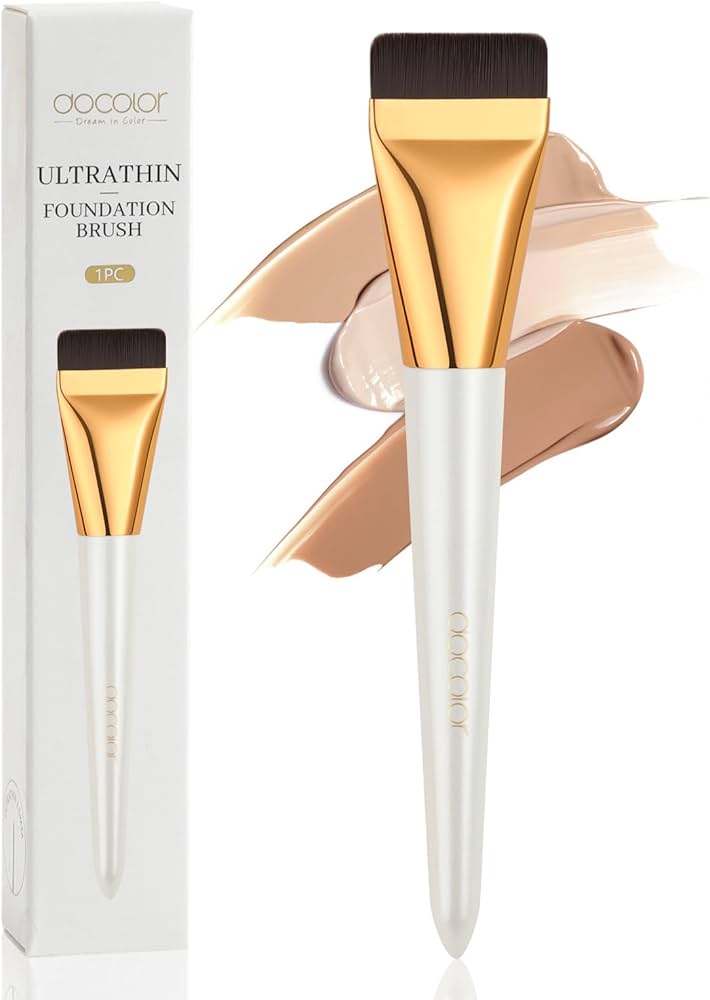
Step 3: Apply in thin layers and set strategically
Thin layers are the difference between “skin” and “mask,” especially with affordable bases. Use a damp sponge for sheerer coverage or a dense brush for more coverage, then go back with a sponge to press product into the skin.
Set only where needed: under eyes if you crease, sides of nose if you break up, chin if it rubs off. Over-powdering is the fastest way to make any makeup look older, drier, and more obvious.
Step 4: Lock it in with a setting spray (the budget MVP)
A good setting spray can make affordable powders melt into the skin and reduce that “just applied” look. Think of it as the last blending step. If you are oily, choose a long-wear spray; if you are dry, pick a hydrating mist.
Common mistakes that waste money
These are the habits that make people think affordable makeup “does not work,” when the issue is usually mismatch or application:
- Buying the wrong undertone and trying to fix it with bronzer
- Using too much foundation instead of spot concealing
- Mixing incompatible layers (very oily skincare under a matte foundation)
- Setting the entire face with powder out of habit
- Expecting one product to replace skincare (foundation is not treatment)
Budget shopping strategy: where to splurge, where to save, and how to compare
If you want the “best affordable makeup,” you also need a smart shopping strategy. The goal is not to buy the cheapest version of everything; it is to spend where you will actually notice it and save where formulas are already excellent.
Where to save confidently
- Mascara: Most people replace it often anyway, and budget options are extremely competitive.
- Brow pencils and gels: Simple wax and pigment technology, lots of great options.
- Lip liners and gloss: Easy wins and high impact per dollar.
- Powder blush: Many affordable powders blend beautifully if you tap off the brush first.
Where to spend a little more (still affordable)
- Foundation match: The best formula is useless if the shade is wrong. Sometimes a slightly higher-priced drugstore base offers better undertone options.
- Concealer for under-eyes: This area is delicate and shows texture quickly. A more flexible, hydrating concealer is worth a few extra dollars.
- Tools: One good sponge and one good foundation brush can elevate everything. Clean tools also matter for skin. The AAD guide to cleaning makeup brushes is a must-read if you deal with breakouts.

How to compare products like a pro
When you are deciding between two affordable options, compare them on:
- Finish: matte, natural, radiant
- Coverage: sheer, medium, full (and whether it is buildable)
- Wear claim: long-wear vs hydrating, and whether reviewers confirm it
- Transfer resistance: important if you wear masks, scarves, or touch your face
- Shade range and undertones: especially for foundation and concealer
Use reliable review aggregators and ingredient references when possible. For ingredient terminology and what it does in formulas, INCI Decoder is a helpful tool for decoding labels without marketing noise.
My favorite budget rule: pick one “hero” product per category and finish it. Your routine will look better because you learn how the products behave, and your wallet will look better because you stop collecting half-used experiments.
Affordable makeup is not about settling. It is about choosing formulas that perform, then using technique to make them shine. Audit your current bag, replace the products that frustrate you most (usually base and mascara first), and build a small kit you can use on repeat. If you want a quick next step, choose one base product and one cheek product to test this week and take photos in natural light to see what truly works for you.


